Blanche formally rescinds Trump’s $1.8bn ‘anti-weaponization fund’ ahead of nomination hearing
Acting US Attorney General Todd Blanche formally rescinded Donald Trump's $1.8bn 'anti-weaponization fund' to compensate his allies, a move that could clear the path for his nomination as Attorney General.
Intelligence analysis by Llama
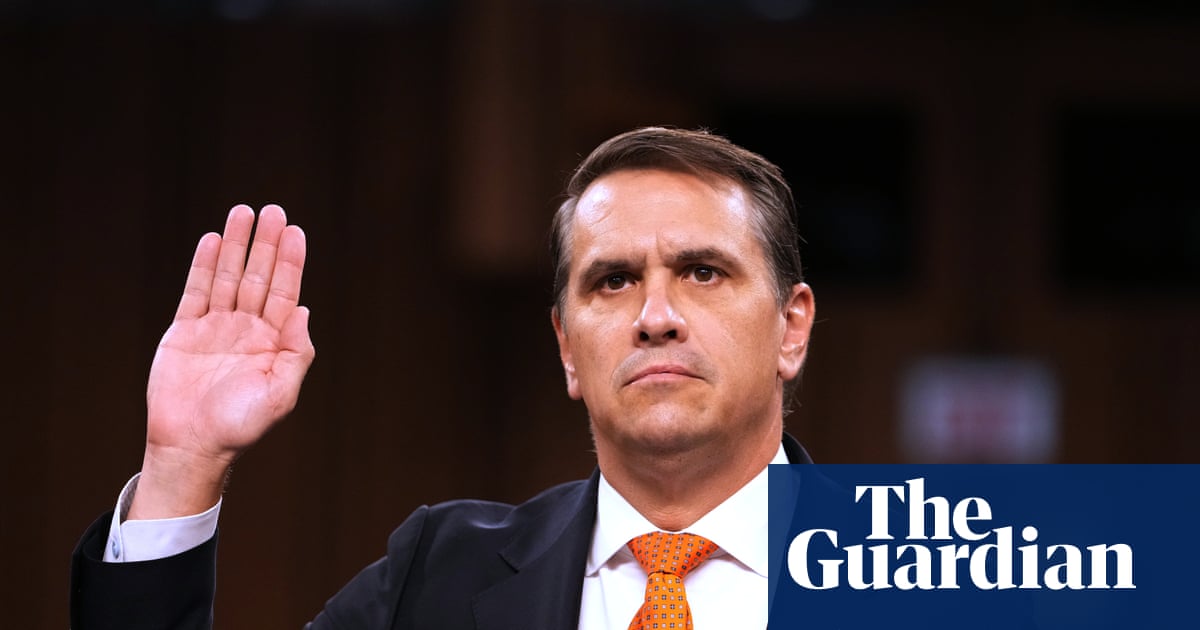
Todd Blanche, the Acting US Attorney General, has formally rescinded Donald Trump's $1.8bn 'anti-weaponization fund' ahead of a Senate Judiciary Committee vote on his nomination. The move comes after weeks of negotiations with two Republican senators who were blocking his nomination.
Imagine you're a friend of Donald Trump's, and you got in trouble because of something that happened at the Capitol. Trump wanted to help you out by giving you some money, but it was a bad idea because it looked like he was trying to reward his friends. Now, the person in charge of the justice department has said that Trump can't do that anymore, which is good because it helps keep things fair.
Analysis
A $1.8bn Vote of Confidence
Todd Blanche's decision to formally rescind Donald Trump's $1.8bn 'anti-weaponization fund' is a significant development in the ongoing saga of Trump's allies and their potential benefits from the fund. The move comes after weeks of negotiations with two Republican senators who were blocking Blanche's nomination as Attorney General. The fund, which was widely derided as a 'slush fund', was intended to compensate Trump's allies for their alleged suffering during the January 6 attack on the Capitol. However, the justice department had resisted formally confirming that the fund was dead, drawing concern from lawmakers that it could be revived in some form. The formal rescission of the fund is a major victory for Blanche and his team, who have been working to clear the path for his nomination. It remains to be seen whether the move will be enough to secure his confirmation as Attorney General.
Why the Fund Was a Concern
The 'anti-weaponization fund' was a major concern for lawmakers, who saw it as a potential abuse of power by Trump. The fund was intended to compensate Trump's allies for their alleged suffering during the January 6 attack on the Capitol, but many saw it as a way for Trump to reward his loyalists. The formal rescission of the fund is a significant development, as it removes a major obstacle to Blanche's nomination as Attorney General. However, the move also raises questions about the future of Trump's allies who may have benefited from the fund.
The Road Ahead
The formal rescission of the 'anti-weaponization fund' is a major development in the ongoing saga of Trump's allies and their potential benefits from the fund. However, the move also raises questions about the future of Trump's allies who may have benefited from the fund. As the Senate Judiciary Committee prepares to vote on Blanche's nomination, it remains to be seen whether the formal rescission of the fund will be enough to secure his confirmation as Attorney General.
Key points
- Todd Blanche formally rescinded Donald Trump's $1.8bn 'anti-weaponization fund'
- The move comes ahead of a Senate Judiciary Committee vote on Blanche's nomination as Attorney General
- The fund was widely derided as a 'slush fund' and was intended to compensate Trump's allies for their alleged suffering during the January 6 attack on the Capitol
If Todd Blanche's nomination as Attorney General is confirmed, it could be a positive development for the justice department. Blanche has been working to clear the path for his nomination, and the formal rescission of the 'anti-weaponization fund' is a major step in that direction. However, it remains to be seen whether the move will be enough to secure his confirmation.
The formal rescission of the 'anti-weaponization fund' may not be enough to secure Todd Blanche's confirmation as Attorney General. The move could be seen as a victory for Blanche, but it also raises questions about the future of Trump's allies who may have benefited from the fund. If the Senate Judiciary Committee votes against Blanche's nomination, it could be a setback for the justice department.