Body of missing Hunza climber Soheil Sakhi found two weeks after Broad Peak accident
The body of Hunza climber Soheil Sakhi has been found two weeks after a Broad Peak avalanche that killed 10 climbers. His family had already announced his death when the search stalled.
Intelligence analysis by GPT-5.4 Mini
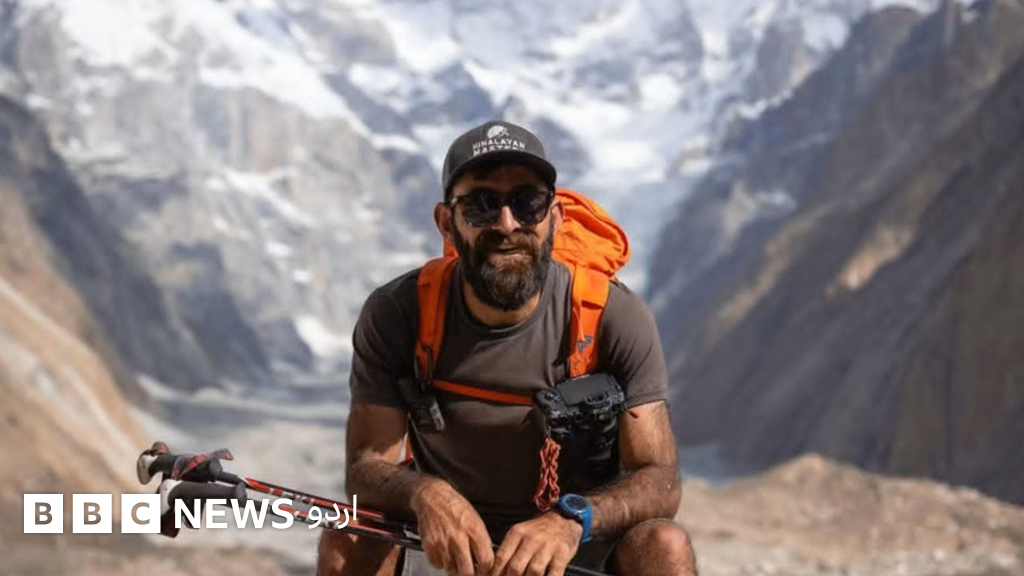
After volunteers in the Broad Peak area found human remains, Pakistani mountaineering officials confirmed they were Soheil Sakhi's. The recovery closes a painful search that had been slowed by glacier conditions and weather.
This is like searching for a toy lost in a giant snowy maze, except the maze is a dangerous mountain. Rescuers finally found Soheil Sakhi after two weeks, but snow, ice, and bad weather made the job very hard.
Analysis
Broad Peak
The avalanche on Broad Peak turned a routine summer climbing season into a recovery operation. According to the report, 10 climbers were caught in the slide on July 30, and the first search effort brought back seven bodies and one set of remains, but Sakhi and one Nepali climber were still missing.
That gap matters because it shows how mountain rescue does not end when the immediate incident is over. On a glacier, bodies can be buried, moved, or trapped in places that are unsafe to reach until conditions change, which is why the search stretched across two weeks and depended on a later break in the weather.
Naila Kiani
Naila Kiani's confirmation gave the search a formal end point. She said volunteers from the Shigar area, who were searching on their own, found unidentified human remains that were later confirmed to be Sakhi's, and she added that the body had been moved from Camp One to base camp.
That sequence is revealing because it shows how much these operations rely on a loose network of climbers, local volunteers, and experienced high-altitude workers. The report also notes that a helicopter retrieval was planned only if the weather allowed, which underlines how even after a body is found, extraction is still a separate challenge.
Soheil Sakhi
Sakhi's profile explains why his disappearance resonated beyond one family. He was described as one of Pakistan's experienced high-altitude climbers, with ascents of K2, Nanga Parbat, Gasherbrum I, and Gasherbrum II, many without supplemental oxygen, and he had also reached Kangchenjunga in May 2026 as part of a rope-fixing team.
He was not only a climber but also a photographer and trainer who documented Pakistan's mountains and guided younger climbers. That makes the loss larger than a single tragic death: it removes a person who linked adventure, skill, and local knowledge in a field where Pakistan depends heavily on a small pool of experts.
Key points
- Soheil Sakhi's body was found two weeks after the Broad Peak avalanche.
- The accident on July 30 involved 10 climbers, with several bodies recovered earlier.
- Volunteers from the Shigar area located human remains that were later confirmed to be Sakhi's.
- His recovery still depended on weather for helicopter extraction.
- Sakhi was an experienced Hunza climber, photographer, and trainer.
The recovery may finally give Sakhi's family a chance to bring him home and complete the rites they had prepared. The case may also push climbers and rescuers to keep strengthening volunteer-led search support in the Karakoram.
The article shows how high-altitude recoveries can remain unfinished for days or weeks if weather and glacier conditions do not cooperate. It also suggests that other missing climbers in the same incident may remain unreachable until later in the season.