‘Botched probe’: Court pulls up Gurugram Police over Manchanda murder case
A Delhi court severely criticized the Gurugram Police for a "botched investigation" into the murder of Yuvraj Singh Manchanda, specifically for cremating his body as unidentified before his family could link records.
Intelligence analysis by Gemini 2.5 Flash
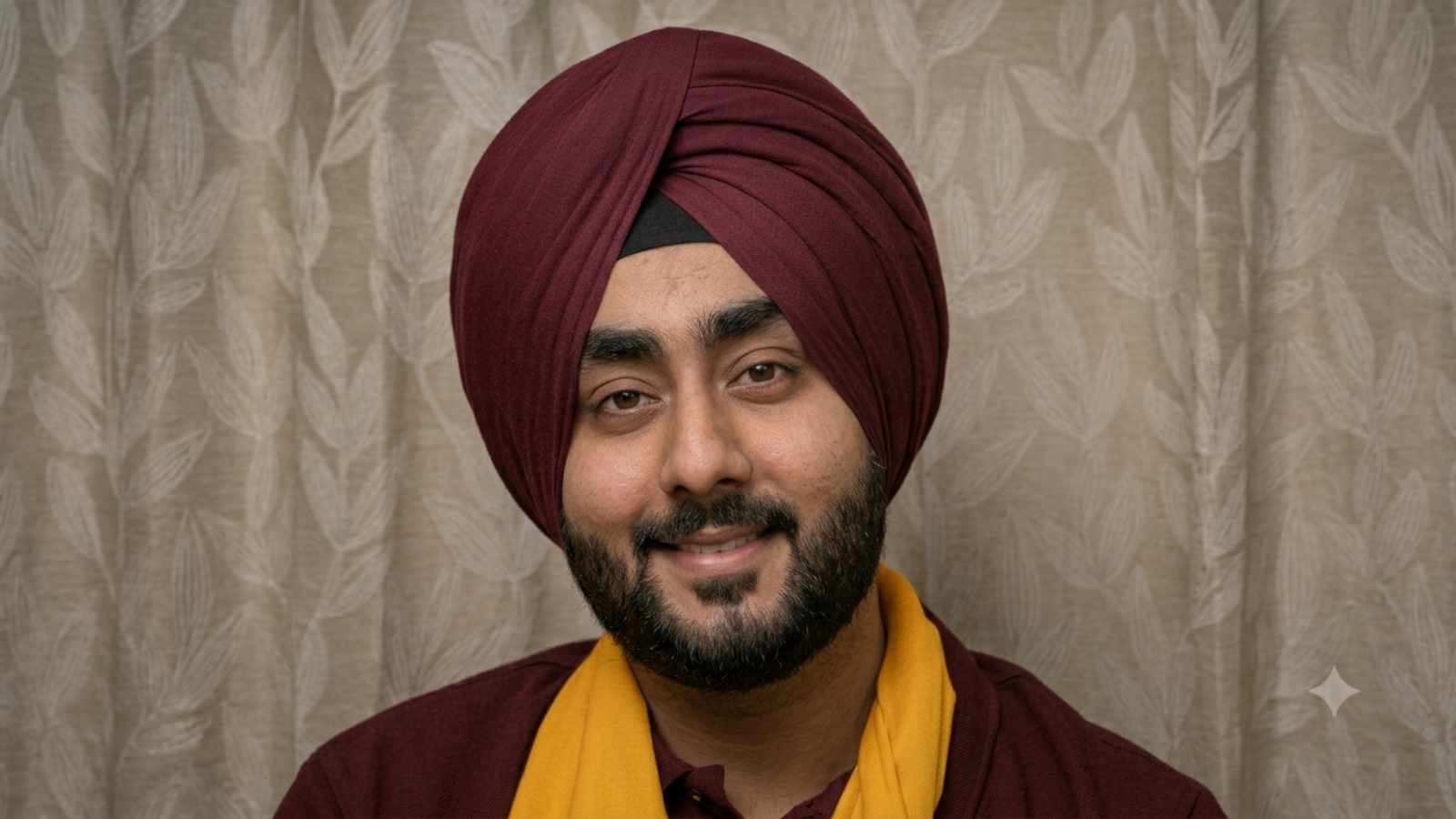
Judicial Magistrate First Class Rahul Jain of Saket Court admonished the Gurugram Police for their handling of the Yuvraj Singh Manchanda murder case, highlighting that the body was cremated as unidentified, and crucial details were not uploaded to an interstate police database in time, causing significant distress and potential loss of evidence for the victim's family.
Imagine a boy named Yuvraj went missing, and sadly, his body was found. The police in one city found him, but they didn't tell the police in another city, who were looking for him, quickly enough. Before anyone could figure out it was Yuvraj, the first police team cremated his body, like throwing away a puzzle piece before anyone could see what picture it belonged to. Now, a judge is very upset with the police for not being careful and making it harder to find out exactly what happened to Yuvraj.
Analysis
The Delhi court's strong condemnation of the Gurugram Police in the Yuvraj Singh Manchanda murder case brings to light severe deficiencies in investigative procedures and inter-agency coordination. The court's remarks, particularly Judicial Magistrate First Class Rahul Jain's assertion that the police had "botched up the investigation having already cremated the body," underscore a profound failure that could have irreversible consequences for the pursuit of justice. The core issue revolves around the police's decision to cremate Manchanda's body as "unidentified" on September 14, despite recovering it on September 10, and crucially, failing to upload his details to the ZIPNET interstate police database in a timely manner. This delay prevented the victim's family from identifying the body before its cremation, leading to the potential destruction of vital forensic evidence and personal belongings, as alleged by Manchanda's sister.
Gurugram Police
The Gurugram Police's actions in this case have drawn sharp criticism for multiple alleged failures. The primary lapse was the cremation of Yuvraj Singh Manchanda's body as unidentified, despite it being recovered days earlier. This decision was made without adequately utilizing available resources like the ZIPNET database, which is designed to facilitate identification across state lines. The delay in uploading Manchanda's details to ZIPNET until September 12, two days after the body's recovery and just two days before its cremation, is a significant point of contention. This procedural oversight meant that the Delhi Police, who had uploaded Manchanda's details including a photograph, could not be linked to the Gurugram Police's recovery until it was too late. The court's strong words reflect the gravity of these alleged errors, suggesting a systemic issue in adherence to standard operating procedures for handling unidentified bodies and preserving evidence.
Yuvraj Singh Manchanda
Yuvraj Singh Manchanda, a 31-year-old Delhi-based real estate professional, is at the center of this tragic case. He was allegedly murdered by his former colleague, Anya Vats, and her partner, Sanyam Sachdeva, on September 6 in Gurugram. The accused reportedly kept his body in their car for two days before dumping it in a drain in Badshahpur on September 8, where it was recovered on September 10. The subsequent mishandling of his body by the Gurugram Police, leading to its cremation as unidentified, has compounded the tragedy for his family. Manchanda's sister has been a vocal complainant, filing an application that raised concerns over the police's conduct and sought the preservation of all related records and evidence. Her efforts highlight the family's struggle to ensure a thorough investigation and secure justice for Yuvraj, despite the significant obstacles created by the alleged police negligence.
Saket Court
The Saket Court, specifically Judicial Magistrate First Class Rahul Jain, has played a crucial role in scrutinizing the Gurugram Police's investigation. The court's strong remarks, calling the probe "botched up," underscore its commitment to judicial oversight and ensuring accountability within law enforcement. Following an application by Yuvraj's sister, the court sought a fresh compliance report from the Gurugram Police, indicating its intent to delve deeper into the alleged procedural lapses. The court's demand for detailed records, including those related to the body's discovery, postmortem, DNA samples, forensic reports, and communication logs, demonstrates a comprehensive approach to uncovering the full extent of the alleged mishandling. This judicial intervention is critical for upholding the rule of law and ensuring that investigative agencies adhere to due process, especially in cases involving serious crimes and the potential loss of crucial evidence.
Key points
- A Delhi court criticized the Gurugram Police for a "botched investigation" in the Yuvraj Singh Manchanda murder case.
- The court highlighted that Manchanda's body was cremated as unidentified on September 14, despite being recovered on September 10.
- Gurugram Police failed to upload Manchanda's details to the ZIPNET interstate police database in a timely manner, preventing early identification.
- Yuvraj's sister alleged mishandling and destruction of vital forensic evidence and personal belongings due to the cremation.
- The primary accused are Manchanda's former colleague Anya Vats and her partner Sanyam Sachdeva, who allegedly shot him and dumped his body.
The Delhi court's stern reprimand could serve as a critical catalyst for the Gurugram Police and other law enforcement agencies to review and significantly improve their standard operating procedures for handling unidentified bodies and evidence. This judicial intervention might lead to enhanced inter-agency communication and more rigorous adherence to protocols, ultimately strengthening the integrity of investigations and fostering greater public trust.
The irreversible cremation of Yuvraj Singh Manchanda's body as "unidentified" means that crucial forensic evidence may be permanently lost, severely hindering the prosecution's ability to build a strong case against the accused. This significant procedural lapse could undermine the pursuit of justice for the victim and his family, potentially setting a concerning precedent for future investigations where police negligence might compromise critical evidence.