Bran flakes could be classed as junk food under new guidelines to promote healthy eating
The UK wants to revise its nutrition model so bran flakes and other cereals may be treated as less healthy. The change would affect advertising and promotion rules for foods classed as HFSS.
Intelligence analysis by GPT-5.4 Mini
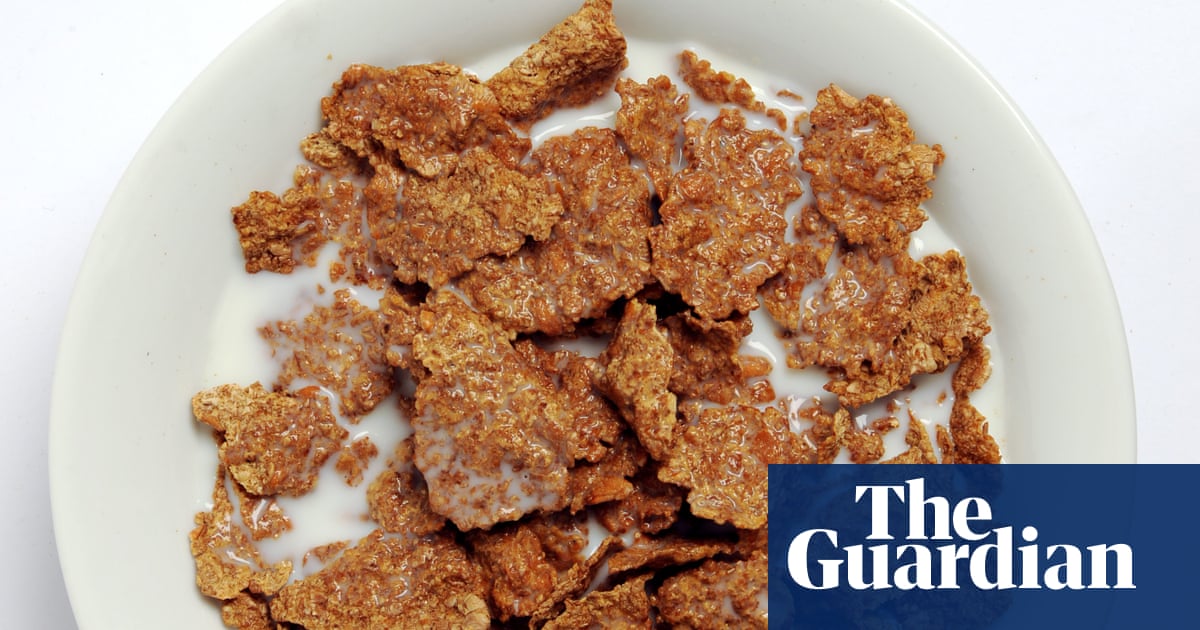
UK officials are proposing an update to the Nutrient Profiling Model that would count naturally occurring free sugars, not just refined sugar. That could push some breakfast cereals, including bran flakes, into the “high in fat, salt or sugar” category.
The government is thinking about changing the rules for breakfast cereal labels, like changing the scorecard in a game. If the new rules count some sugars differently, even bran flakes could be treated more like junk food than a healthy food.
Analysis
What is changing
The UK government wants to update the Nutrient Profiling Model, the system used to decide whether foods are healthy or unhealthy. The proposed change would include naturally occurring “free sugars” alongside refined sugar when scoring foods.
Why bran flakes are affected
The Guardian says bran flakes typically contain added glucose from ingredients such as corn or wheat starch to make them more palatable. Under the proposed model, that could mean they are treated as a “high in fat, salt or sugar” food, or HFSS.
Industry response
Dean O’Brien, managing director of Kellanova, said the plan could undo years of work and investment by food makers trying to encourage healthier choices. He said Kellogg’s has cut sugar and salt in its cereals over the past decade and argued that products like bran flakes are high in fibre, low in saturated fat, and fortified with vitamins and iron.
Government position
A government spokesperson said the current rules are about 20 years old and do not reflect the latest dietary advice. The spokesperson said the new model shifts attention from total sugars to free sugars and supports higher-fibre diets. The government also linked the move to restrictions on advertising and promotion of junk food, saying obesity and poor diets hurt children’s start in life.
Wider context
The piece notes this is not a new debate. A 2009 Which? survey found some cereals marketed as healthy had more sugar per typical portion than a Cadbury chocolate Flake. The new proposal suggests the line between healthy and unhealthy breakfast foods may be redrawn more sharply.
Key points
- The UK wants to update its nutrition scoring model to include naturally occurring free sugars.
- Bran flakes may be reclassified as HFSS under the proposed system.
- Kellanova says the change could undo years of reformulation work in cereals.
- The government says the old rules are outdated and should reflect newer dietary advice.
- The proposal is tied to broader restrictions on junk-food advertising and promotion.
If the new model better matches current dietary advice, it could help parents and shoppers spot foods that are less healthy than they seem. It may also encourage companies to keep cutting sugar and salt while making cereals higher in fibre.
Food companies say the change could unfairly push cereals like bran flakes into the less healthy category even when they are high in fibre and fortified. If that happens, the rules could disrupt marketing plans and blur the public message around foods that have already been reformulated.