‘Breakthrough’ as Turkmenistan starts fixing ‘mindboggling’ methane mega-leaks
Turkmenistan has begun repairing significant methane leaks from its ageing oil and gas facilities, a move hailed by the UN as a breakthrough in climate action. This follows international scrutiny and engagement with foreign partners.
Intelligence analysis by Gemini 2.5 Flash
Previously identified as the world's worst country for methane mega-leaks, Turkmenistan has started plugging some of these potent greenhouse gas emissions. This action, spurred by international pressure and satellite monitoring, is seen as a crucial first step in rapidly mitigating climate change, though much work remains.
Imagine a leaky faucet in your house, but instead of water, it's a powerful gas that makes the Earth too hot. Turkmenistan had many of these big leaks, like giant holes in its gas pipes. Now, with help from special satellites that can spot the leaks from space, they've started fixing some of them, which is like finally patching up those big holes to help cool down our planet faster.
Analysis
Turkmenistan
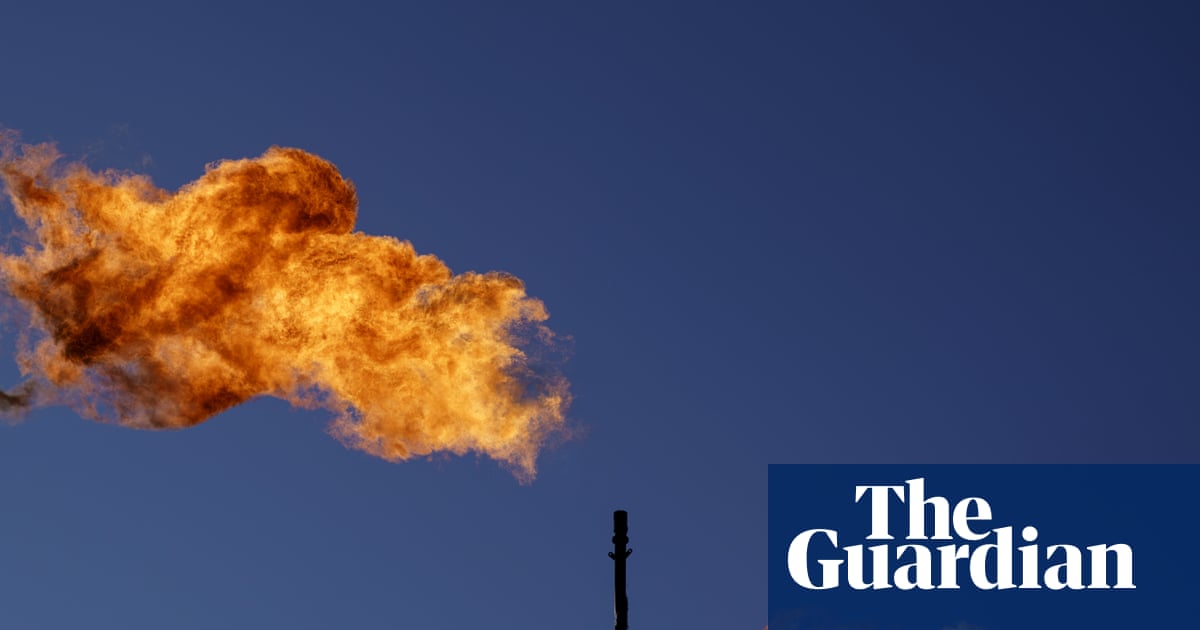
Turkmenistan, a secretive and authoritarian state with vast gas reserves, has long been identified as the world's leading source of methane mega-leaks. These leaks, often from corroded pipes, faulty wells, and failing flares in its ageing oil and gas infrastructure, release tonnes of methane per hour, contributing significantly to global heating. The Guardian's revelations in 2023 about the scale of these emissions, which in 2022 caused more global heating than the UK's entire carbon emissions, were described as "mind-boggling" and "infuriating" by experts.
This intense international scrutiny proved to be a critical catalyst, prompting the Turkmen government to engage with the UN, the EU, and other international bodies. In December 2023, Turkmenistan joined the global methane pledge, two years after its launch, signaling a shift in its approach to environmental responsibility. This engagement has now translated into concrete action, marking a significant departure from its previous stance of ignoring leaks due to the sheer volume of gas available.
Mars
The UN Methane Alert and Response System (Mars), part of the UN Environment Programme, has played a pivotal role in identifying and tracking these super-emitter leaks. Mars sent 192 alerts of methane plumes to Turkmenistan in the last year, highlighting the country's disproportionate contribution to global methane emissions, including three of the six worst leaks detected worldwide in the past six months. The system's ability to provide satellite data has been instrumental in pinpointing the exact locations of these leaks, making mitigation efforts more targeted and effective.
Meghan Demeter, the programme manager of Mars, emphasized that these mitigation cases serve as a "proof point" for the efficacy of satellite data in driving action, particularly in challenging environments like Turkmenistan. The system's success in prompting responses from Turkmenistan, which has responded to about 20% of the alerts with on-the-ground information, contrasts sharply with other major emitters. For instance, the US received 138 alerts but responded to none and fixed no leaks in the last year, while Iran, Russia, and China also failed to respond to any alerts.
Eight Cases
Turkmenistan has successfully stopped eight methane leaks by repairing issues such as corroded pipes, faulty wells, and failing flares. This initial success, while a small fraction of the overall problem, is considered an "incredible first step" by the UN. The first leak was fixed in November 2024, and the most recent repair, in March, addressed a corroded pipeline, demonstrating a sustained effort.
These eight cases are a testament to the potential for rapid impact, as methane breaks down in the atmosphere much faster than carbon dioxide, offering a quick climate "emergency brake." The work in Turkmenistan, alongside similar efforts in Kazakhstan which has also stopped eight leaks, contributes to the 43 leaks sealed globally due to Mars alerts so far. While the magnitude of overall emissions remains a significant challenge, the growing response rate from Turkmenistan and the documented mitigation actions provide a hopeful model for addressing potent greenhouse gas emissions worldwide.
Key points
- Turkmenistan has begun fixing 'mega-leaks' of methane from its oil and gas facilities, a move hailed as a breakthrough by the UN.
- Methane is a potent greenhouse gas, trapping 80 times more heat than CO2, and stopping its leaks offers a rapid climate impact.
- The UN Methane Alert and Response System (Mars) sent 192 alerts to Turkmenistan, which has now stopped eight leaks by repairing infrastructure.
- International scrutiny, including Guardian reports, was a 'critical step' in prompting Turkmenistan to engage with foreign partners and join the global methane pledge.
- In contrast, the US received 138 Mars alerts but responded to none and fixed no leaks, while Iran, Russia, and China also failed to respond.
The initial success in Turkmenistan demonstrates the effectiveness of satellite monitoring and international pressure in addressing significant methane emissions. This could pave the way for broader adoption of such mitigation strategies globally, leading to rapid reductions in a potent greenhouse gas and fostering greater international cooperation on climate action.
While a "breakthrough," the eight fixed leaks represent only a small fraction of Turkmenistan's overall methane problem, and other major emitters like the US, Russia, and China have yet to respond to alerts. The slow pace of comprehensive action and the continued lack of engagement from other key nations could undermine global efforts to rapidly curb methane emissions, leaving the planet vulnerable to continued warming.