Brexit: how it has hit your wallet at the supermarket and on holiday
Brexit has increased food costs and made traveling with pets more complicated. Trade barriers have resulted in a 12% rise in food prices, costing the average family £400.
Intelligence analysis by Llama 3.3 70B
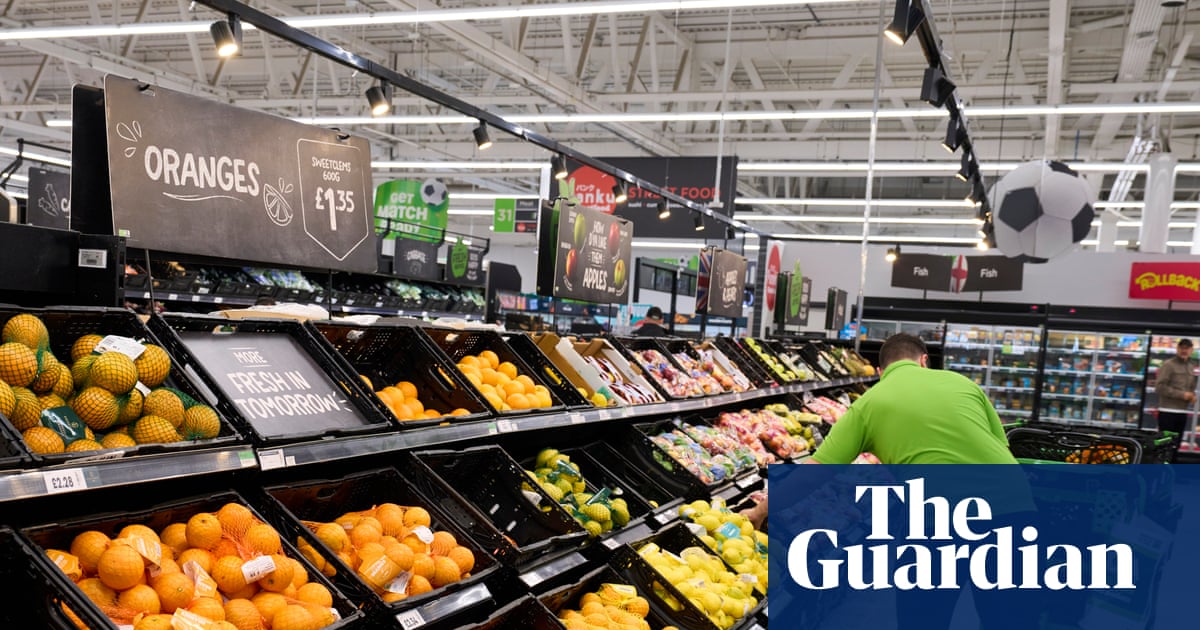
Brexit has made life more difficult and costly for UK residents, from higher grocery bills to more complicated travel with pets.
Brexit has made things more expensive and complicated for people in the UK. Food prices have gone up, and traveling with pets is harder. Even sending packages to friends in other countries is more difficult now.
Analysis
Brexit's Impact on Food Prices
The UK's departure from the EU has led to a significant increase in food prices. Trade barriers on food imports have resulted in a 12% rise in costs, with the average family paying £400 more between 2019 and 2023. This increase has disproportionately affected low-income households, who spend a larger share of their income on food.
Traveling with Pets
Brexit has also made traveling with pets more complicated and expensive. The EU Pet Travel Scheme, which allowed for easy travel with pets, is no longer valid for UK residents. Instead, pet owners must obtain an animal health certificate, which is more expensive and time-consuming to obtain. The British Veterinary Association has stated that these new documents are more onerous and complex, resulting in higher costs for pet owners.
Changes to Postage and Roaming
Brexit has also affected postage and roaming charges. The UK's departure from the EU single market and customs union has led to the introduction of customs declaration forms and potential taxes and duties on goods sent to and from the EU. Mobile networks have also introduced roaming charges, with varying fees depending on the provider and contract. For example, EE pay monthly customers pay £2.72 a day to use their call, text, and data allowances in the 'Europe zone'.
Key points
- Brexit has led to a 12% rise in food prices
- Traveling with pets is more complicated and expensive
- Postage and roaming charges have increased
A new food export agreement between the UK and EU could reduce food costs and increase the variety of goods on supermarket shelves. This agreement, which may come into force in 2027, could mitigate some of the negative effects of Brexit on food prices.
The increased costs and complexity resulting from Brexit may continue to affect UK residents, particularly low-income households. The changes to postage and roaming charges may also lead to additional expenses for consumers and businesses.