Bristol Myers Squibb Building Life Science Industry’s Most Advanced AI Factory on NVIDIA Vera Rubin
Bristol Myers Squibb is deploying its second NVIDIA DGX SuperPOD, featuring eight DGX Vera Rubin NVL72 systems, to create the life sciences industry's most advanced AI factory. This upgrade aims to provide researchers with unlimited compute power for faster drug discovery.
Intelligence analysis by Gemini 2.5 Flash Lite
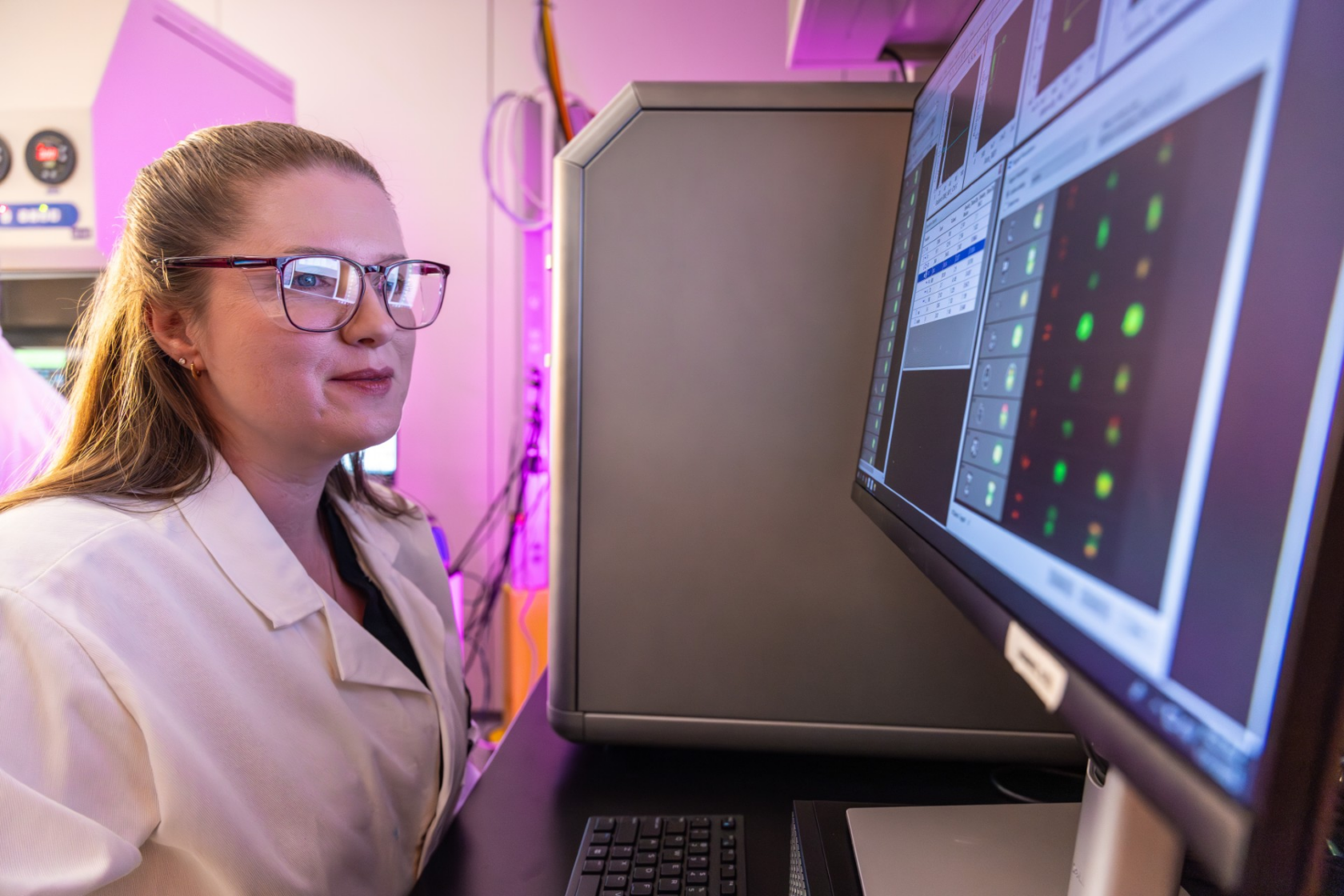
Bristol Myers Squibb is significantly expanding its AI capabilities by deploying a new NVIDIA DGX SuperPOD powered by Vera Rubin systems. This move is designed to democratize access to advanced AI infrastructure for all scientists, accelerating drug discovery cycles and enabling more complex research by removing computational limitations.
Imagine scientists trying to find new medicines are like detectives looking for clues. This new super-fast computer system is like giving all the detectives the best magnifying glasses and instant access to every clue ever found, so they can solve cases much, much faster and help people sooner.
Analysis
A Leap in Pharmaceutical AI Infrastructure
Bristol Myers Squibb (BMS) is not just adopting AI; it's building what it calls the "SuperDuperPOD," an advanced AI factory designed to be the most powerful in the life sciences sector. This initiative involves deploying a second NVIDIA DGX SuperPOD, this time incorporating eight DGX Vera Rubin NVL72 systems. This represents a substantial upgrade, promising up to 10 times the performance per megawatt compared to its previous infrastructure. The core objective is to provide every scientist within BMS access to a unified AI platform, including specialized tools like the NVIDIA BioNeMo Agent Toolkit for biological AI. This democratization of compute power aims to eliminate bottlenecks, allowing researchers to focus on scientific innovation rather than resource allocation.
Accelerating the Drug Discovery Pipeline
The strategic deployment of this advanced AI infrastructure is geared towards tangible improvements across the entire drug discovery and development pipeline. BMS researchers are expected to benefit from faster prediction cycles, the ability to explore larger chemical spaces, and streamlined workflows. The company has already seen success with its initial DGX SuperPOD, using AI for target identification that saves weeks of manual work and for expanding its CELMoD compound library, leading to new potential medicines. The new system, coupled with AI-native tooling managed through NVIDIA Mission Control, will enable researchers to initiate complex predictions using natural language, further simplifying the process and integrating learnings across global research sites.
Fostering Cumulative Learning and Agentic Workflows
Beyond raw computational power, BMS is leveraging this AI factory to create a more integrated and intelligent R&D ecosystem. The goal is to move from discrete, project-specific learnings to a cumulative intelligence framework where every experiment, clinical readout, and partnership compounds into higher-conviction scientific decisions. This is facilitated by agentic workflows, where AI agents can operate across different research silos and programs without inherent limitations. This "agents don't care" approach, as described by VP Erin Davis, allows for learning from decisions made across the entire organization, breaking down traditional barriers and accelerating the pace of innovation in drug discovery. The ultimate aim is to translate AI's potential into measurable impact, addressing complex diseases and improving patient outcomes.
Key points
- Bristol Myers Squibb is deploying a second, more powerful NVIDIA DGX SuperPOD built on eight DGX Vera Rubin NVL72 systems.
- The new AI factory aims to provide unlimited compute access to all BMS scientists, accelerating drug discovery.
- The system integrates NVIDIA Vera CPUs and Rubin GPUs for enhanced performance and energy efficiency.
- AI is being used to speed up target identification, compound library expansion, and lead optimization.
- The goal is to create a unified AI platform that fosters cumulative learning and agentic workflows across global research sites.
This significant investment in AI infrastructure could dramatically accelerate the discovery of new treatments for complex diseases, potentially leading to faster clinical trials and improved patient outcomes. By removing computational barriers, BMS can foster a more collaborative and efficient research environment, driving innovation across its therapeutic areas.
The success of this initiative hinges on seamless integration and widespread adoption by researchers, which could be hindered by the complexity of managing such advanced systems or by unforeseen technical challenges. If the AI tools do not translate effectively into actionable scientific insights, the substantial investment may not yield the desired acceleration in drug discovery.