Britain is a swamp of lies and disinformation – and we got here on the Brexit bus
Freedland says Brexit left Britain poorer and harsher in public life, with lies and disinformation now central to politics.
Intelligence analysis by GPT-5.4 Mini
The piece argues that the Brexit referendum was driven by reckless tactics and deliberate falsehoods, and that its economic and cultural damage is still unfolding. It ties the vote to weaker growth, less trade, and a more aggressive public debate.
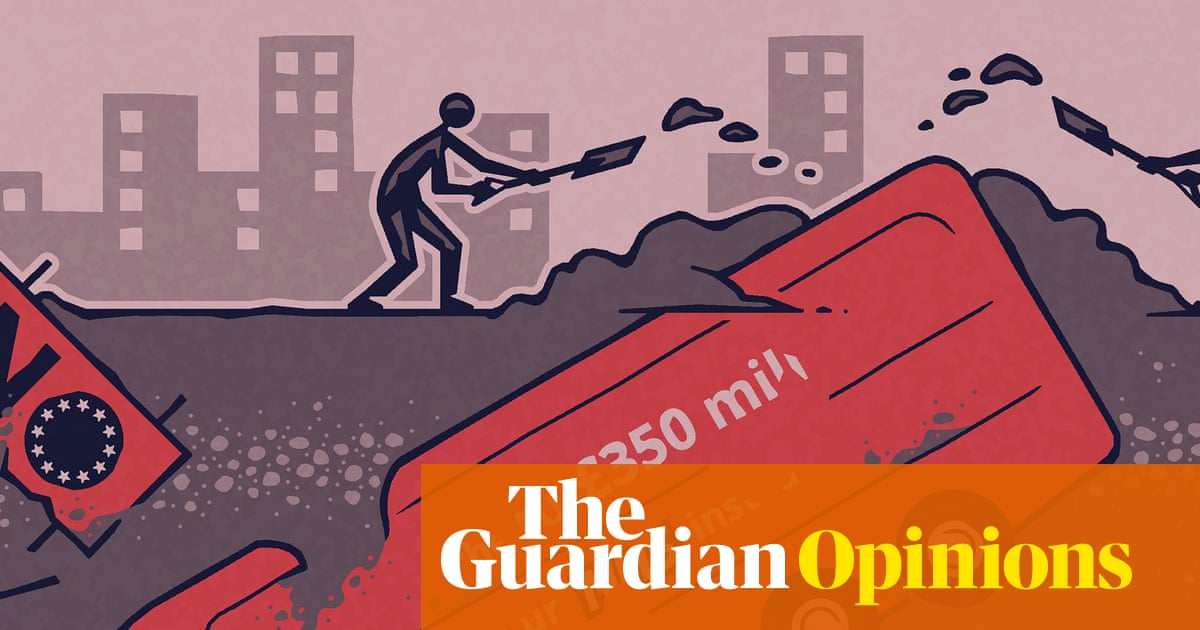
The article says Britain rode a bus full of big promises, but many of them were not true. That choice left the country with less money, less trade, and a public conversation that feels angrier, like a playground where too many kids are shouting at once.
Analysis
Brexit’s origin story
Freedland argues that the referendum was not just a historic choice, but the result of political carelessness. He says David Cameron and George Osborne treated the promise of a referendum as a tactical move, while Boris Johnson and Michael Gove turned it into a leadership contest and a path to power. The point is that the future of the UK was put at risk by internal party games.
Economic damage
The article says the Leave campaign’s warnings about Britain being poorer outside the EU were dismissed at the time as “project fear,” but the gap now looks real. Freedland cites estimates that GDP is down by 6% to 8%, investment by as much as 18%, and trade by about 15% compared with staying in the EU. He also points to the Office for Budget Responsibility and says 85% of firms that import or export goods report new problems.
Disinformation and public life
Beyond economics, Freedland says Brexit helped normalise a politics built on fear, racial coding, and contempt for facts. He highlights the £350m bus claim, the Turkey warning, and other campaign messages that were knowingly misleading. In his telling, Brexit did not create the age of disinformation alone, but it accelerated it and gave it legitimacy.
Current relevance
The piece connects that legacy to today’s political climate, including harsher rhetoric and warnings about civil war. Its core claim is that Brexit changed not only Britain’s economic trajectory, but also the tone and rules of political debate.
Key points
- Freedland says Brexit was born from political recklessness and tactical games inside the Conservative Party.
- He argues the economic cost is now visible in weaker GDP, lower investment, and reduced trade.
- The article says Brexit helped normalise dishonesty, fear, and racist messaging in politics.
- It links the referendum to a broader decline in the quality of public debate.
- Freedland says the damage is ongoing, not a closed chapter.
If the article’s warning is heeded, future leaders could treat facts more seriously and avoid repeating the same reckless tactics. A clearer political conversation could also make it easier to fix the economic problems Brexit left behind.
If the same style of politics keeps winning, the economy could stay weaker and trade frictions could remain embedded. The article also suggests the public debate may keep getting coarser, which makes practical policymaking harder.