British banks in crosshairs as pressure mounts on Burnham to tax profits
UK Chancellor John Healey is reportedly considering a windfall tax on banks and oil firms to help fund household support. The UK's four largest banks have made £200bn in pre-tax profits over five years.
Intelligence analysis by Gemini 2.5 Flash Lite
With Andy Burnham's autumn budget approaching, Chancellor John Healey is reportedly weighing a windfall tax on banks and oil companies. This move is driven by campaigners like the TUC, who argue that banks' recent bumper profits, largely due to rising interest rates, should be taxed to help households cope with the cost of living crisis.
Imagine banks are like lemonade stands that suddenly make a lot more money because everyone is buying lemonade due to hot weather (high interest rates). Some people think the lemonade stands should give a little bit of their extra earnings back to the community to help people buy other things they need, like groceries, especially when prices are high.
Analysis
£200bn in Profits
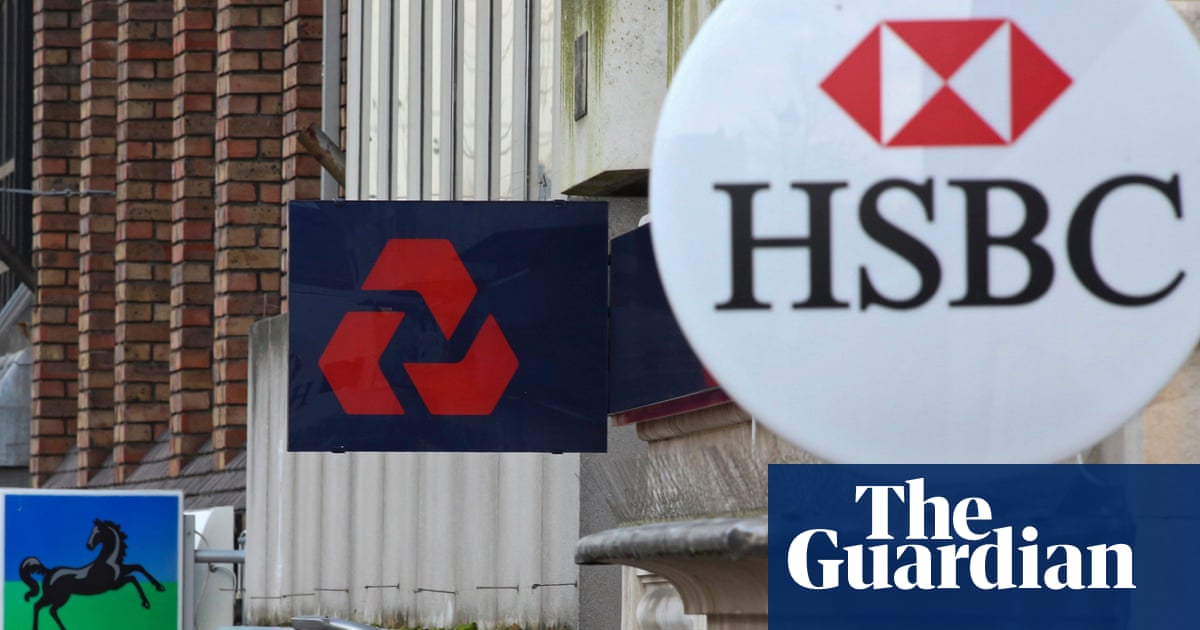
The UK's four largest banking institutions – HSBC, NatWest, Barclays, and Lloyds Banking Group – have collectively amassed an astonishing £200 billion in pre-tax profits over the last five years. This substantial financial gain is largely attributed to the prevailing high-interest rate environment, which has allowed banks to widen their net interest margins. Campaign groups, including the Trades Union Congress (TUC) and Positive Money, are advocating for a portion of these profits to be captured through a windfall tax. Their argument is that these profits are not a result of innovation or improved services but rather a consequence of economic conditions, and that taxing them could provide much-needed funds to alleviate the cost of living pressures faced by households across the country.
Spain's Solidarity Tax
Spain's approach offers a case study in the implementation and consequences of a bank windfall tax. In 2022, Prime Minister Pedro Sánchez introduced a "solidarity tax" of 4.8% on the domestic revenue of banks earning over €800 million, aiming to raise €3 billion to combat cost-of-living pressures. While the tax initially caused a significant dip in bank stock values, the government proceeded. The levy, which targets net interest income and fees, has since been extended to 2027, with a sliding tax rate of up to 7% for the largest lenders. Despite successfully raising substantial funds, the tax has faced legal challenges from banks and criticism from international bodies like the IMF and ECB, who warned of potential impacts on bank profits, increased borrowing costs for consumers, and reduced international competitiveness.
Lithuania's Defence Funding
Lithuania implemented its own windfall tax in 2023, targeting banks expected to generate €1.3 billion in net profits that year, a threefold increase from the previous year, driven by interest rate hikes following Russia's invasion of Ukraine. A significant 60% tax was levied on net interest income exceeding the previous four-year average by 50%. This revenue was earmarked for infrastructure projects and defence spending, reflecting the country's heightened security concerns. To avoid disincentivizing lending, income from new loans was excluded. The tax raised approximately €250 million in its first year. While the European Commission viewed it positively for debt reduction, concerns were raised about its impact on foreign investment and its potential disadvantage to local customer-focused banks compared to international digital lenders.
Key points
- UK Chancellor John Healey is reportedly considering a windfall tax on banks and oil companies.
- Britain's four largest banks have generated £200bn in pre-tax profits over the past five years, largely due to rising interest rates.
- Campaigners argue these profits should be taxed to fund support for households facing high living costs.
- Spain and Lithuania have implemented similar windfall taxes on banks, with mixed results and criticisms.
- Concerns exist about potential negative impacts on bank profitability, lending, and international competitiveness.
If a windfall tax is implemented and carefully designed, it could provide the government with additional revenue to support households struggling with high living costs. This could lead to greater economic stability and reduce social inequality by redistributing some of the exceptional profits made by banks during a period of economic hardship for many.
A poorly designed windfall tax could deter investment in the UK banking sector, potentially leading to reduced lending, higher borrowing costs for consumers and businesses, and a decrease in the overall competitiveness of British banks on the international stage. It might also trigger prolonged legal battles and economic uncertainty.