British Heart Foundation plans to close 150 charity shops
The British Heart Foundation plans to close about 150 shops over two years as rising costs and changing shopping habits make some stores unsustainable.
Intelligence analysis by GPT-5.4 Mini
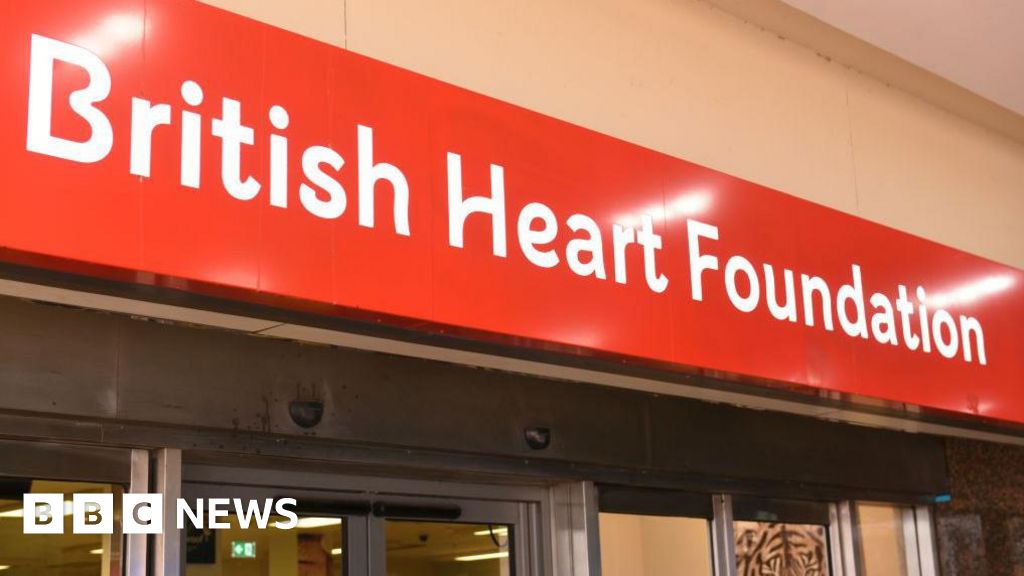
The BHF says its retail arm is under pressure from a difficult trading environment, even though its wider finances remain healthy. It plans to shut nearly a quarter of its shops while keeping retail as a funding source for research.
The British Heart Foundation is like a big charity store chain that sells donated things to raise money. Some of its shops are losing too much money to keep open, so it is closing some and using online selling too, like moving part of a lemonade stand from the street to the internet.
Analysis
What the BHF is doing
The British Heart Foundation says it plans to close around 150 charity shops over the next two years after reviewing its retail arm. It currently runs 640 shops and stores across England, Wales, Scotland and Northern Ireland, so the closures amount to just under a quarter of its total estate.
The charity said the decision follows an “exceptionally challenging trading environment.” It pointed to rising operating costs and changing customer habits, saying some stores are no longer financially sustainable. Around 90 shops are expected to close by the end of March 2027, with the remaining affected stores to follow by March 2028.
What stays in place
The BHF said its overall financial position remains healthy. It said it continues to see strong fundraising and legacy income, and that retail is still an important part of funding its research. The charity also said it will keep using online channels, including its website and eBay, alongside shops and donation points.
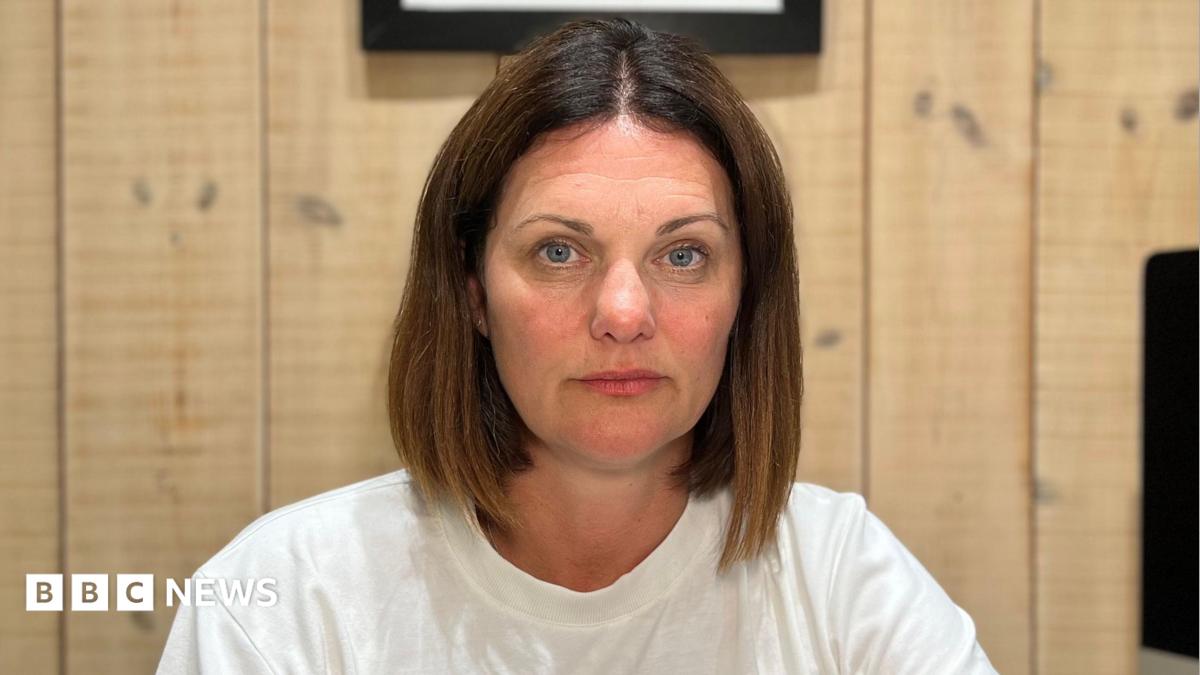
The charity said no single factor drove the plan. Chief executive Charmaine Griffiths said the organisation must make a difficult choice to sustain retail’s contribution to funding research, while thanking colleagues and volunteers for their work.
Wider context
The announcement fits a broader pattern on UK high streets. The article notes that Cancer Research UK has also announced shop closures and new out-of-town stores. Retailers have been arguing that higher labour costs, including increased employer National Insurance contributions and higher minimum wages, have added to pressure alongside inflation and weaker footfall.
Key points
- The BHF plans to close about 150 charity shops over two years.
- The charity says rising costs and changing customer habits have made some stores unsustainable.
- About 90 closures are planned by the end of March 2027, with the rest by March 2028.
- The BHF says its overall finances remain healthy and fundraising is still strong.
- It will continue retail through shops, donation points and online channels.
If the plan works, the BHF can keep more of its retail business financially sustainable while protecting money for heart research. Closing weaker stores could let the charity focus on shops, online sales and donation points that fit how people shop now.
The closures could reduce the charity’s presence on high streets and make life harder for staff and volunteers affected by the cuts. If costs keep rising or customer habits keep shifting, more stores may become unsustainable and further pressure the retail arm.