Britons travelling home via EU airports ‘should allow three hours’ before flights
Wizz Air says Britons should arrive three hours early at some EU airports as new entry checks are creating long queues.
Intelligence analysis by GPT-5.4 Mini
The EU’s new entry-exit system is slowing some airport border checks, and airlines are warning British travelers to plan for longer waits. Wizz Air says delays are most common at places such as Spain, Portugal and France, while airport groups say peak queues can stretch to hours.
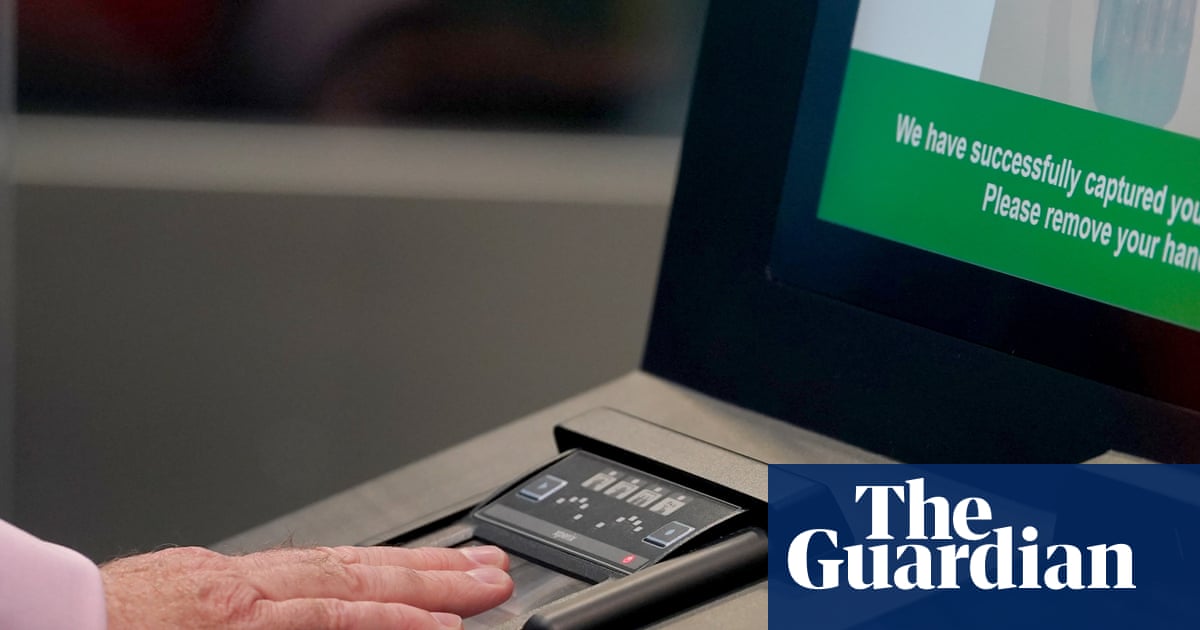
A new border-check system is now being used at airports in Europe. Instead of just stamping passports, it also takes extra digital and face or fingerprint checks, which can slow people down.
That means some travelers need to get to the airport much earlier than before. It is a bit like a school gate suddenly needing everyone to stop for a full ID check before entering a busy classroom.
Airlines and airport groups say the waiting is not the same everywhere. Some places are fine, but others have very long lines, so travelers are being told to plan ahead.
Analysis
What is happening
The Guardian reports that British passengers returning home through EU airports are being told to arrive earlier than usual because the new entry-exit system, or EES, is causing longer border waits. The system replaces passport stamps with digital registration and biometric checks for non-EU citizens. It has been rolling out since October 2025 and became fully operational last month.
Wizz Air boss Yvonne Moynihan said the ordinary advice of arriving two hours before departure is no longer enough in some cases. She told the BBC that the airline is advising three hours instead, because travelers may face an extra passport check before reaching their flights. She also said the problem is uneven across Europe: some airports have run smoothly, while others, especially in Spain, Portugal and France, have seen much longer waits.
How severe the delays are
The European airports association, ACI Europe, said the situation is getting worse. In a survey of 45 airports in 20 EU states on 26 May, it said queues reached up to 3.5 hours at peak times. It also said some airports that had not reported major delays before are now seeing them, even where partial suspension of EES is being used.
The article also notes a temporary suspension of checks at the port of Dover last week, after thousands of holidaymakers were stuck in hot-weather delays. A port spokesperson called the situation challenging and said French border police had used a clause in the EES rules that allows checks to be relaxed temporarily.
The European Commission told the BBC that EES is not the only possible cause of delays and that registration usually takes about a minute. Even so, the reporting frames the new system as a real operational pressure point for airports and airlines during busy travel periods.
Key points
- Wizz Air says passengers heading home through EU airports should allow three hours before departure.
- The EU entry-exit system adds biometric checks for non-EU citizens and replaces passport stamps.
- Airports in Spain, Portugal and France have been among the hardest hit by long queues.
- ACI Europe said peak waits can reach up to 3.5 hours at some airports.
- The European Commission said the system is not the only possible reason for delays and that registration usually takes about a minute.