Budget 2026-27: No relief for low-income class, education and health underfunded
Pakistan's 2026-27 budget gave tax breaks to higher earners, but little relief for low-income workers and weak funding for health and education.
Intelligence analysis by GPT-5.4 Mini
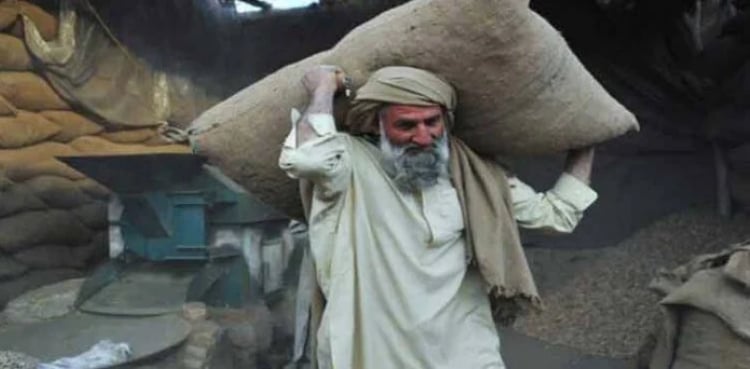
The article argues that Budget 2026-27 favors better-paid salaried workers while leaving low-income households under pressure from inflation. It also says core social sectors like health and education remain underfunded despite large allocations elsewhere.
The government gave some money breaks to people who already earn more, but the article says poorer workers got almost nothing. It is like fixing one room in a house while the kitchen and bathroom still leak.
Analysis
Budget priorities
The article says the Federal Budget 2026-27 offers limited comfort to lower- and middle-income Pakistanis who are dealing with sharp inflation. According to the piece, no tax relief was announced for low-income salaried people, while larger relief was extended to salary brackets earning between Rs. 2.2 million and Rs. 7 million a year.
What changed
Finance Minister Muhammad Aurangzeb is described as having announced tax relief of 20 percent to 32 percent for those higher income slabs. The article also says the long-standing surcharge on salaried taxpayers is being removed entirely, after being reduced from 10 percent to 9 percent in the previous budget. On wages, the government announced a 10 percent increase in the minimum wage, which the article says translates into roughly Rs. 3,000 to Rs. 4,000 more per month. Government employees will also get a 7 percent increase in salaries and pensions.
Social spending concerns
The article's main criticism is that basic services remain weakly funded. It says Rs. 94.3 billion has been set aside for higher education, the Danish Schools Program, and school and college education, while Rs. 838 billion has gone to the Benazir Income Support Program alone. It also notes that only Rs. 25.1 billion has been allocated for health.
The overall framing is that education and health are again being sidelined, and that promised relief for low-income households has not materialized in a meaningful way.
Key points
- No tax relief was announced for low-income salaried workers.
- Higher-income salaried brackets get relief of 20 percent to 32 percent.
- The surcharge on salaried taxpayers will be removed.
- Only Rs. 25.1 billion was allocated for the health sector.
- Education and health are described as neglected again.
If the announced tax cuts and removal of the salaried surcharge are implemented cleanly, higher-earning salaried workers will keep more of their pay. The increases in minimum wages, salaries, and pensions could also provide some short-term support for household incomes.
The article suggests low-income workers may still feel squeezed because they received no direct tax relief. It also warns that weak funding for health and education could leave long-term social problems unresolved, even if some cash support is expanded elsewhere.