Burnham accuses Russia of 'outrageous threats' against UK as he visits Kyiv
UK PM Andy Burnham accused Russia of 'outrageous threats' in Kyiv for Ukraine's independence day, after Moscow warned of escalation over UK plans to share declassified missile blueprints.
Intelligence analysis by Llama
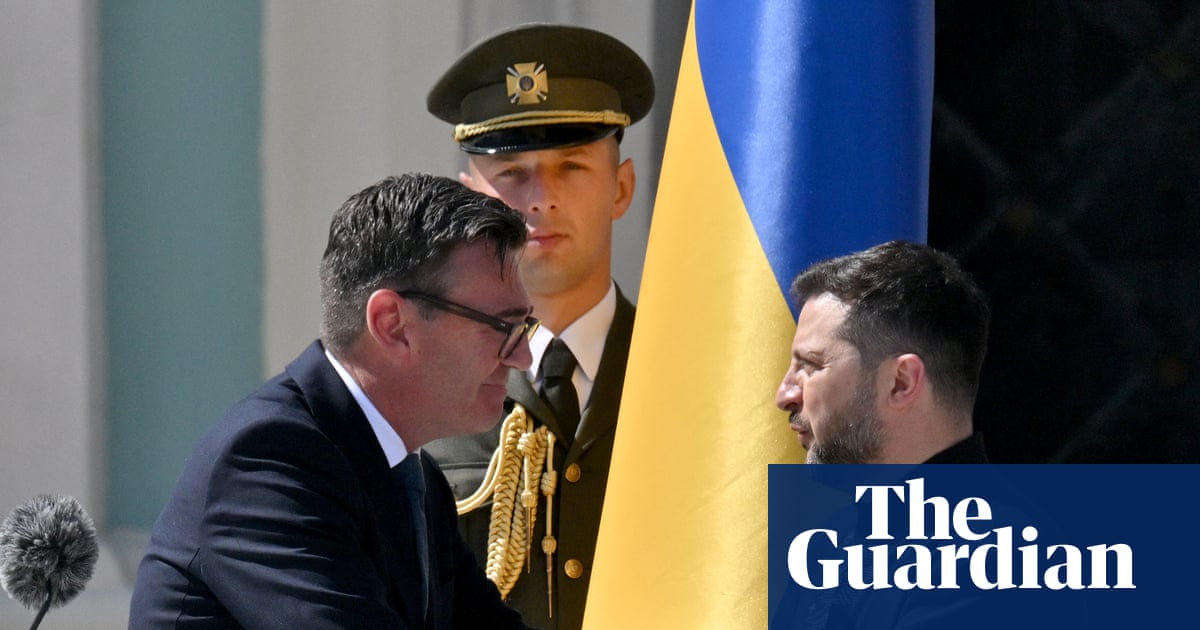
UK PM Andy Burnham made his first foreign trip to Kyiv for Ukraine's 35th independence day, accusing Russia of 'outrageous threats' after Moscow warned of escalation over UK plans to share declassified missile blueprints. The visit coincides with broader European military coordination.
The UK prime minister flew to Kyiv for Ukraine's big birthday party, but the visit wasn't just about cake. He's giving Ukraine the secret instructions for how to build a really powerful missile at home. Russia is very angry and says the UK is making things worse, and even took its ambassador home from London.
Analysis
Storm Shadow/Scalp blueprints
The centrepiece of Burnham's Kyiv visit is the UK's decision to declassify information about the British-manufactured components used in Storm Shadow/Scalp long-range cruise missiles, which it will hand to Ukraine. According to the Guardian, this is intended to allow Kyiv to eventually build its own version of the weapon, though the paper notes this capability may take years to mature. The move goes beyond previous British assistance, which had focused on allowing Ukraine to launch British-made drones, by handing over manufacturing knowledge itself. Peskov framed the exchange as Britain "methodically and regularly add[ing] fuel to the fire" and accused London of "hatch[ing] schemes to prevent even the slightest progress in the peaceful settlement process." The UK has separately announced it will help France set up assembly lines in Ukraine for long-range missiles, a project Macron had promised the previous month, signalling a coordinated Anglo-French industrial push inside Ukrainian territory.
34 leaders in the coalition of the willing
From Kyiv, Burnham was due to join a conference call with 34 leaders in the coalition of the willing, the group of countries that have pledged to help keep Ukraine secure in the event of a truce with Russia. The Guardian reports that Macron and German chancellor Friedrich Merz will join that meeting by video link, while Burnham travelled in person alongside European Council president António Costa and Luxembourg prime minister Luc Frieden. The diplomatic choreography around Independence Day, normally a routine commemoration, has been compressed into a coordination moment precisely because Kyiv was bracing for another wave of Russian missile attacks. The celebrations themselves were kept out of public view amid fears of a strike, underscoring how the ceremony has become both a political signal and a security liability.
Andrey Kelin's quiet departure
The escalation is not confined to rhetoric. The Guardian reports that Russia has withdrawn its ambassador to the UK, with the long-serving Andrey Kelin leaving last month after seven years in post and no replacement in sight. A Russian embassy spokesperson said relations had "deteriorated to an unprecedentedly low level entirely on London's initiative," while a UK government spokesperson said Britain's ambassador would continue in post in Moscow. The ambassadorial break comes as Kyiv warns that Russia is amassing more ballistic missiles and considering whether to mobilise an extra 300,000 soldiers, while Ukraine simultaneously faces a shortage of US-made Patriot interceptors — the only system the paper says can effectively counter them. The picture is of a diplomatic track that is closing down even as the military one widens.
Key points
- UK PM Andy Burnham made his first foreign trip to Kyiv for Ukraine's 35th independence day, accusing Russia of 'outrageous threats'
- The UK will hand Ukraine declassified information on British components of Storm Shadow/Scalp long-range cruise missiles
- Putin's spokesperson Dmitry Peskov accused Britain of 'adding fuel to the fire' and warned it would 'pay a high price'
- Russia has withdrawn its long-serving ambassador to the UK, Andrey Kelin, with no replacement named
- Burnham was due to join a 34-leader coalition of the willing call; Kyiv warned Russia may mobilise an extra 300,000 soldiers
If the coalition of the willing's 34 leaders can sustain a unified posture and the declassified missile blueprints eventually let Ukraine produce its own long-range strike capability, Kyiv's negotiating leverage in any future truce talks would meaningfully increase. Burnham's framing of Ukraine as a 'proud, sovereign European nation' also signals a long-term political commitment that outlasts any single news cycle.
The combination of declassified missile technology, French assembly lines on Ukrainian soil, and Russia's warning that it will 'identify and destroy' production sites points to a serious escalation pathway. Russia's reported consideration of mobilising an extra 300,000 soldiers, alongside a Patriot interceptor shortage, raises the risk of heavier strikes on Kyiv and potential direct confrontations between Russian forces and Western military infrastructure inside Ukraine.
Market signals
- OIL The Guardian reports Russia's warning of escalation and consideration of mobilising 300,000 more soldiers, raising the prospect of intensified strikes and supply disruption risk that historically pressures oil prices higher.
- XAU The article describes a sharp deterioration in UK-Russia relations, ambassador withdrawal and direct threats from the Kremlin, the kind of geopolitical shock that drives demand for gold as a safe haven.
AI-generated analysis of potential market relevance. Not financial advice.