Burnham to hand long-range missile blueprints as he visits Kyiv
UK Prime Minister Andy Burnham visits Kyiv on Ukraine's 35th independence anniversary, announcing MBDA will declassify UK component data for the Scalp missile so Ukraine can build its own long-range weapons.
Intelligence analysis by Llama
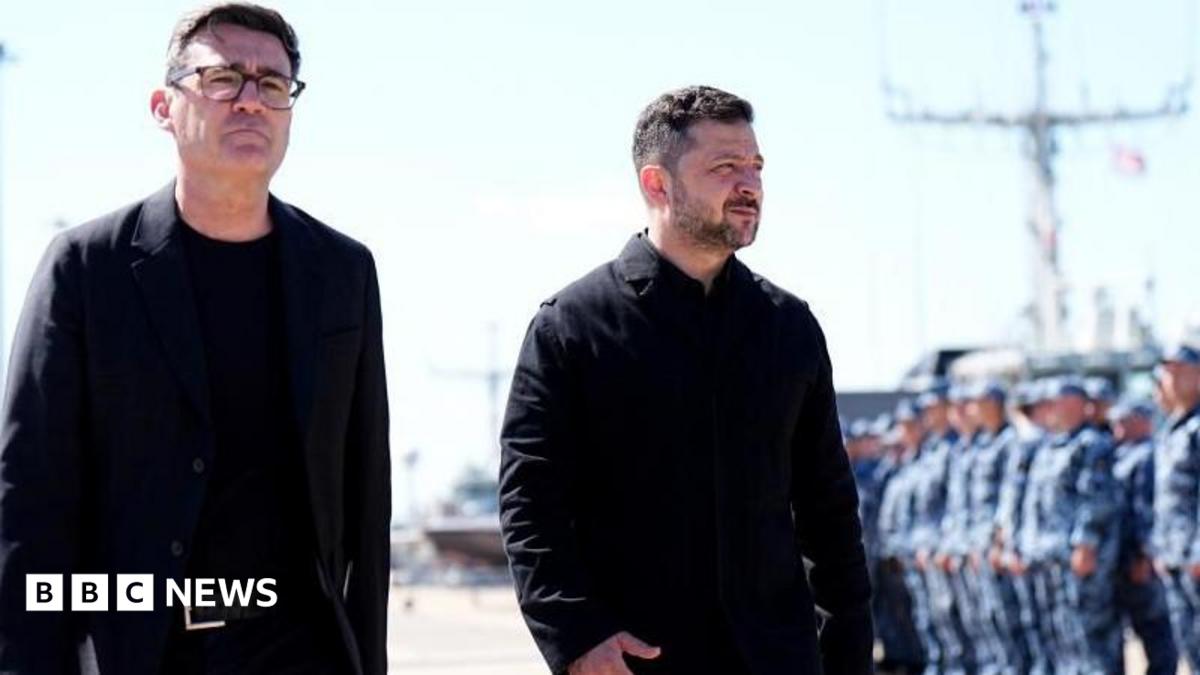
New UK PM Andy Burnham makes his first foreign trip to Kyiv, offering declassified missile technology and reaffirming British support amid escalating Russian strikes on Ukrainian cities and infrastructure.
A new leader from the UK is going to Ukraine on its big holiday. He is bringing secret papers that show how to build a really big missile that can fly very far. This means Ukraine can learn to make its own powerful weapons to protect itself from Russia.
Analysis
MBDA's declassified blueprints
The most consequential element of Burnham's visit is the announcement that MBDA, the European missile consortium, will be permitted to declassify technical information about UK components inside the Scalp missile — the French counterpart of Britain's Storm Shadow. Until now, Western support has largely taken the form of supplying finished munitions, which Ukraine must expend. Releasing the engineering data shifts the relationship toward genuine capability transfer: Kyiv gains the knowledge to produce, adapt, or maintain its own long-range systems without depending on each new tranche of allied deliveries. For Moscow, this is qualitatively different from a shipment of Storm Shadows. It implies that the UK's contribution to Ukraine's strike power is meant to be durable even if domestic political support or parliamentary arithmetic were to shift in London.
35th anniversary framing
Burnham has deliberately placed the technology announcement on Ukraine's 35th anniversary of independence, and is to accept an award on behalf of the British people in the same window. The symbolism does diplomatic work that the policy itself cannot. By tying declassified missile data to a generational milestone of Ukrainian sovereignty, the government frames the transfer as continuity with Starmer's coalition-of-the-willing approach rather than a fresh escalation. It also reassures France and other European partners that a change of occupant at 10 Downing Street has not produced a change of posture. For Burnham personally, the visit is a low-cost way to stamp his foreign-policy identity early — a trip whose visual record will be of solidarity, not of retreat.
Andrei Kelin's exit from London
The article notes that Russia's ambassador Andrei Kelin has left his post in recent weeks, with the Kremlin yet to nominate a replacement and the embassy insisting this does not signal a downgrade. The timing is hard to read as coincidence. Kelin's departure comes alongside explicit Russian warnings of "consequences" for Britain's deepening involvement — including the use of UK-made drones in Ukrainian strikes on Russian oil refineries and on warehouses belonging to online retailer Wildberries. Whether the ambassador's exit is temporary or the prelude to a downgrade, it thins the diplomatic channel between London and Moscow at precisely the moment that Moscow is publicly raising the price it says Britain will pay for the war.
Key points
- Andy Burnham makes his first foreign visit as prime minister to Kyiv on Ukraine's 35th independence anniversary
- UK government will allow MBDA to declassify information on UK components of the long-range Scalp missile
- The visit follows a Russian strike on a Ukrainian shopping centre on Friday that killed at least 16 people
- Moscow has warned of "consequences" over the use of British-made drones in Ukrainian strikes on Russian infrastructure
- Russia's ambassador to the UK, Andrei Kelin, has left his post in recent weeks, with no replacement named
If Ukraine can absorb the declassified Scalp component data and begin domestic production, its long-range strike capability becomes sustainable independent of shifting parliamentary coalitions in donor countries. A coordinated coalition-of-the-willing meeting under fresh UK leadership could align European military aid into a more predictable pipeline, strengthening Kyiv's position at any future negotiating table.
Moscow has publicly warned of "consequences" for British involvement, and the declassification may be read in the Kremlin as a qualitative escalation beyond weapons supply. Kelin's departure from London reduces the diplomatic channel for de-escalation just as rhetoric on both sides hardens, raising the risk of retaliatory action — cyber, energy, or otherwise — aimed at UK interests.
Market signals
- XAU Escalation rhetoric from Moscow and deepening Western military involvement drive safe-haven demand, per the article's framing of rising UK-Russia tensions.
- OIL Intensified Ukrainian strikes on Russian oil infrastructure and Russian warnings of consequences raise supply-side risk premia in crude markets.
AI-generated analysis of potential market relevance. Not financial advice.