Burnham to scrap Starmer’s digital ID scheme in ‘reset of priorities’
Incoming Labour leader Andy Burnham plans to scrap Keir Starmer's digital ID scheme, redirecting resources to help with the cost of living. The decision comes after a petition opposing the scheme attracted 3 million signatures.
Intelligence analysis by Llama
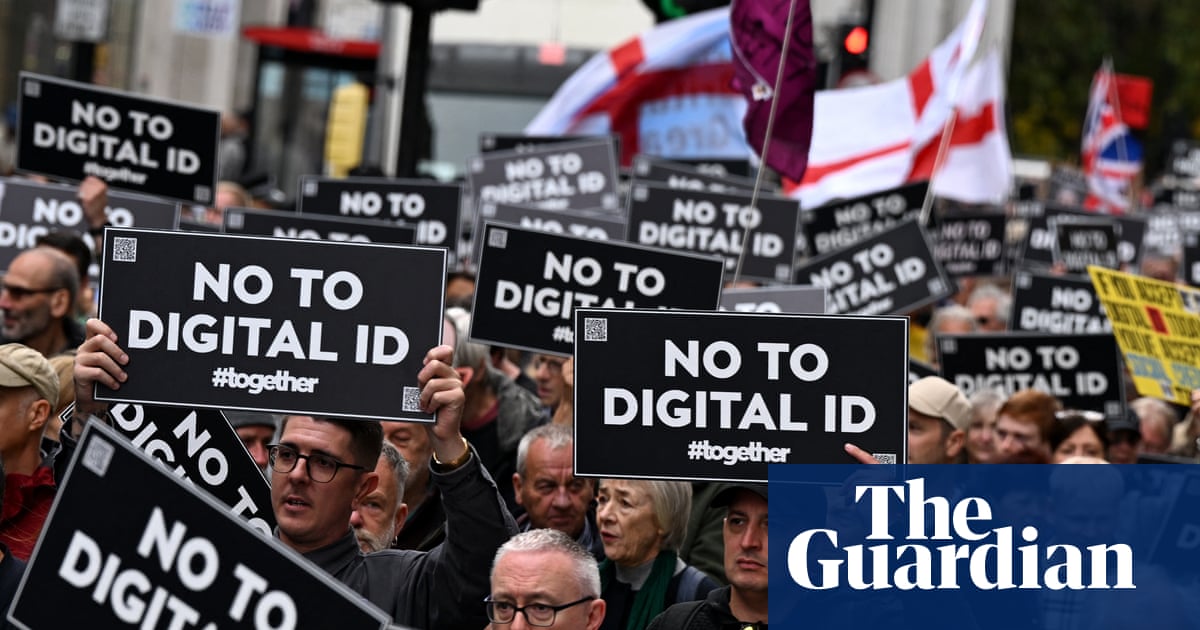
Labour leader Andy Burnham plans to scrap Keir Starmer's digital ID scheme, redirecting resources to help with the cost of living. The decision comes after a petition opposing the scheme attracted 3 million signatures.
Imagine you're going to a new school, and you need to show your parents' ID to prove who you are. That's kind of what the digital ID scheme was trying to do, but people were worried about their personal data being shared with the government. Now, the new government is saying, 'Let's focus on helping people with the cost of living instead.'
Analysis
A Reset of Priorities
The decision to scrap the digital ID scheme is a significant move by the new Labour government, led by Andy Burnham. The scheme, which was announced by Keir Starmer's government last year, aimed to introduce a compulsory digital ID card for workers to prove their residency status and identity. However, the plan was met with widespread criticism and opposition from civil rights groups and opposition politicians. The petition opposing the scheme attracted over 3 million signatures, highlighting the public's concerns about data privacy and government overreach.
The decision to scrap the scheme is a clear indication that the new government is willing to listen to the concerns of the public and prioritize their needs. By redirecting the resources earmarked for the scheme towards helping with the cost of living, the government is showing that it is committed to addressing the pressing issues facing the country. This move is also a reflection of the government's commitment to bringing power back to communities, rather than hoarding it in Whitehall.
The Cost of Living Crisis
The cost of living crisis is a pressing issue that affects millions of people in the UK. The government's decision to redirect resources towards helping with the cost of living is a welcome move, as it acknowledges the severity of the crisis and the need for urgent action. By providing support to those who need it most, the government is showing that it is committed to addressing the root causes of the crisis and improving the lives of its citizens.
The Future of Digital ID
The decision to scrap the digital ID scheme raises questions about the future of digital ID in the UK. While the scheme was met with criticism, there are still valid arguments in favor of introducing a digital ID system. However, any future plans for digital ID must prioritize the concerns of the public and ensure that any system is transparent, secure, and respects individual rights. The government must also consider the potential benefits of digital ID, such as improved public services and increased security, and weigh these against the potential risks and concerns.
Key points
- Labour leader Andy Burnham plans to scrap Keir Starmer's digital ID scheme.
- The decision is a response to public concerns about data privacy and government overreach.
- Resources earmarked for the scheme will be redirected towards helping with the cost of living.
- The government remains committed to addressing the cost of living crisis and improving public services.
- The decision raises questions about the future of digital ID in the UK.
The decision to scrap the digital ID scheme could lead to a more positive public perception of the government, as it shows that they are willing to listen to concerns and prioritize the needs of the public. Additionally, redirecting resources towards helping with the cost of living could lead to tangible improvements in the lives of citizens, such as increased access to affordable housing and healthcare.
The decision to scrap the digital ID scheme may be seen as a missed opportunity to improve public services and increase security. Additionally, the lack of a clear plan for digital ID in the future could lead to confusion and uncertainty among citizens, potentially undermining trust in the government.