Burnham vows crackdown on ‘rip-off’ business practices to ease cost of living
UK Prime Minister Andy Burnham has announced a crackdown on 'rip-off' business practices to ease the cost of living. The measures include banning fake discounts and making it easier for people to cancel unwanted subscriptions.
Intelligence analysis by Llama
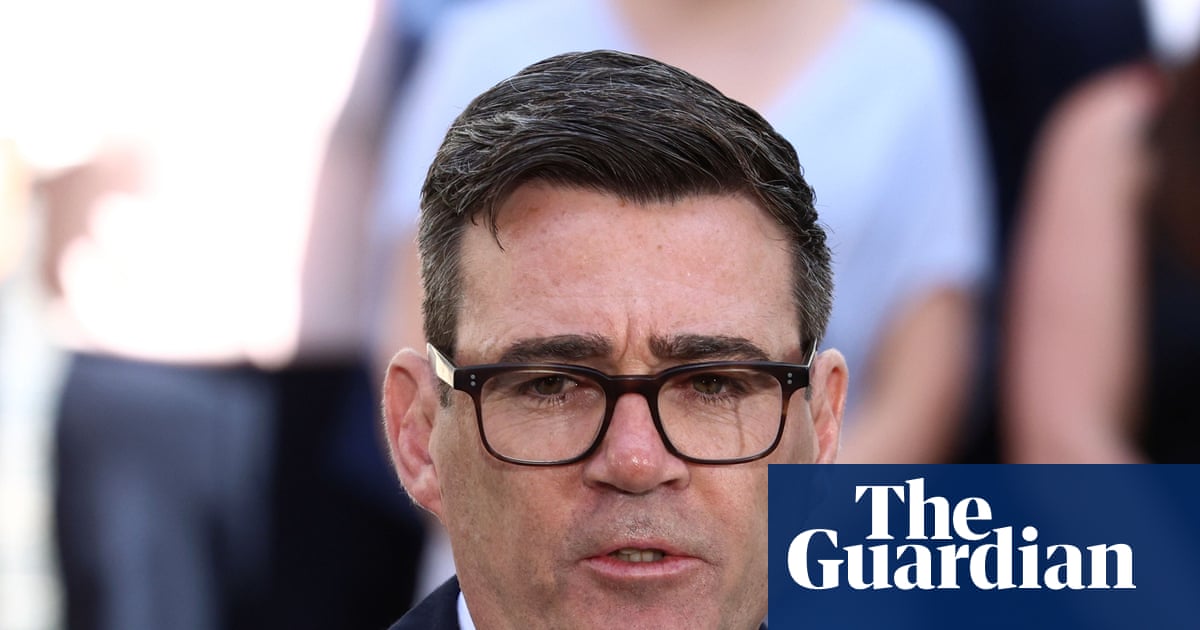
UK Prime Minister Andy Burnham has announced a crackdown on 'rip-off' business practices to ease the cost of living. The measures include banning fake discounts and making it easier for people to cancel unwanted subscriptions. This is part of a series of 'everyday fixes' to be implemented in the coming months.
Imagine you're shopping for a new TV. You see a sign that says '50% off!' but when you get to the checkout, the price is still really high. That's not fair. The government is trying to stop companies from doing this kind of thing. They want to make sure that when you see a discount, it's real and not just a trick. They're also trying to make it easier for people to cancel subscriptions they don't want. This will save people money and make shopping more fair.
Analysis
Burnham's Plan to Tackle the Cost of Living Crisis
The UK is facing a severe cost of living crisis, with many households struggling to make ends meet. In an effort to address this issue, Prime Minister Andy Burnham has announced a series of measures to tackle the problem. The first of these measures is a crackdown on 'rip-off' business practices, which is expected to benefit consumers to the tune of £400m a year.
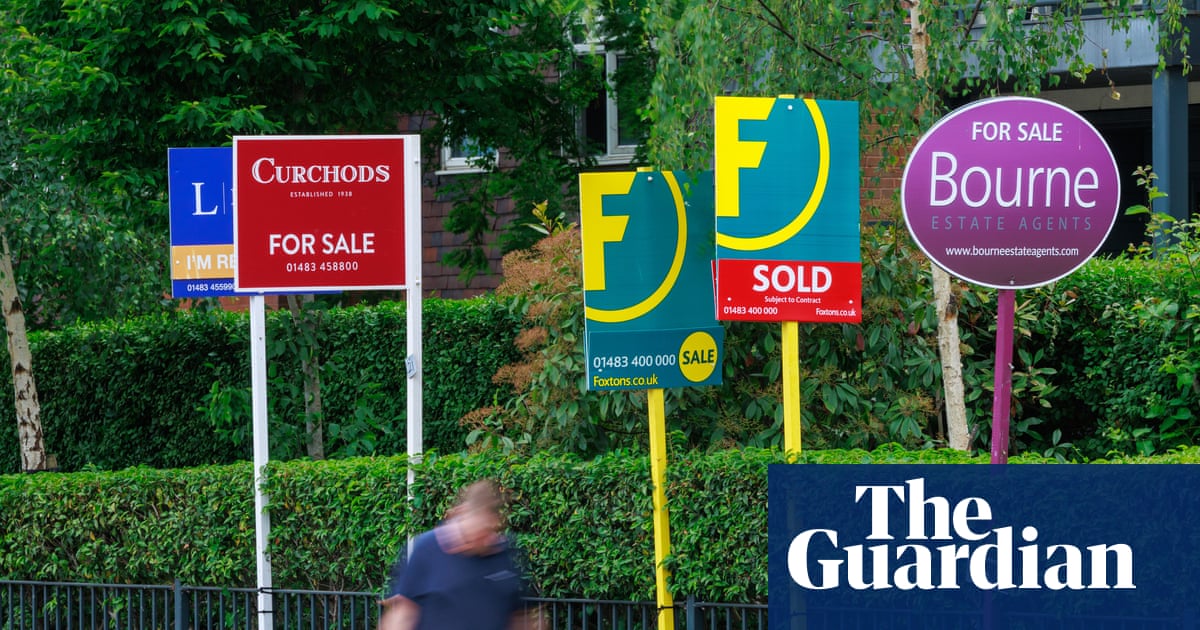
The government will ban misleading pricing practices that retailers use to make discounts appear better than they really are. This includes fake 'was' prices, invented reductions, and misleading recommended retail prices. The government will also consult in the autumn on the precise practices covered and how the ban will work, before introducing the changes through secondary legislation.
In addition to the ban on misleading pricing practices, the government is also speeding up new protections against subscription traps. These new rules will force businesses to provide clearer information when people sign up, regularly remind customers about their subscriptions, and make it easier for them to cancel. Customers will also be given a 14-day cooling-off period after a trial ends or a long-term contract renews.
The average person has about three subscriptions and spends about £500 a year on them, according to government figures. There are about 155m active subscriptions across the UK, and about £1.6bn a year is spent on unwanted ones. Ministers estimate that consumers will save an average of £14 a month for each unwanted subscription they are able to leave early.
The challenge for the Prime Minister will be whether smaller consumer-oriented interventions can provide savings households notice when many are still under pressure. The measures announced so far are a good start, but more needs to be done to address the cost of living crisis.
The Impact of the Measures
The measures announced by the Prime Minister are expected to have a significant impact on consumers. The ban on misleading pricing practices will stop retailers inflating the price of an item before cutting it to give shoppers the false impression they are receiving a bigger discount. This will ensure that when families snatch a deal, they can be confident they're actually saving.
The new protections against subscription traps will also make it easier for people to cancel unwanted subscriptions. This will save consumers an average of £14 a month for each unwanted subscription they are able to leave early. The measures will also provide clearer information when people sign up, regularly remind customers about their subscriptions, and make it easier for them to cancel.
The Road Ahead
The measures announced by the Prime Minister are just the beginning. The government has promised to implement more 'everyday fixes' in the coming months. These measures will aim to make life easier and fairer for people over the longer term. The Prime Minister has promised to listen to the people dealing with the cost of living crisis and to take action to address their concerns.
The challenge for the Prime Minister will be to deliver on these promises and to make a noticeable difference to household finances. The measures announced so far are a good start, but more needs to be done to address the cost of living crisis.
Key points
- The government will ban misleading pricing practices that retailers use to make discounts appear better than they really are.
- The government is speeding up new protections against subscription traps.
- Customers will be given a 14-day cooling-off period after a trial ends or a long-term contract renews.
- The measures are expected to benefit consumers to the tune of £400m a year.
- The government has promised to implement more 'everyday fixes' in the coming months.
If the measures announced by the Prime Minister are successful, it could make a big difference to household finances. People could save money on their shopping and subscriptions, and feel more confident about their financial situation. This could also help to boost consumer confidence and support economic growth.
However, the measures announced by the Prime Minister may not be enough to address the cost of living crisis. Many households are still struggling to make ends meet, and the measures may not provide sufficient relief. Additionally, the government's ability to deliver on its promises is uncertain, and the measures may not be implemented as quickly as hoped.