Businesses struggle to profit as fuel prices soar
Businesses across the West of England are finding it difficult to maintain profitability as petrol prices approach £2 per litre, driven by global oil supply disruptions from the Middle East conflict.
Intelligence analysis by Gemini 2.5 Flash

Local businesses, including taxi services and petrol stations, are facing immense pressure from soaring fuel costs. They are forced to either pass these increases onto customers, risking loss of trade, or absorb the costs themselves, severely impacting their profit margins and long-term viability.
Imagine if the special juice your toy car needs to drive around got super expensive, but you still had to charge the same low price for rides because everyone else is doing it. That's what's happening to businesses like taxi drivers and petrol stations. They have to pay much more for fuel because of problems far away, but they can't make their prices much higher, or people will go somewhere else. So, they're making less money, and even charities that deliver important things for hospitals are struggling to pay for their fuel.
Analysis
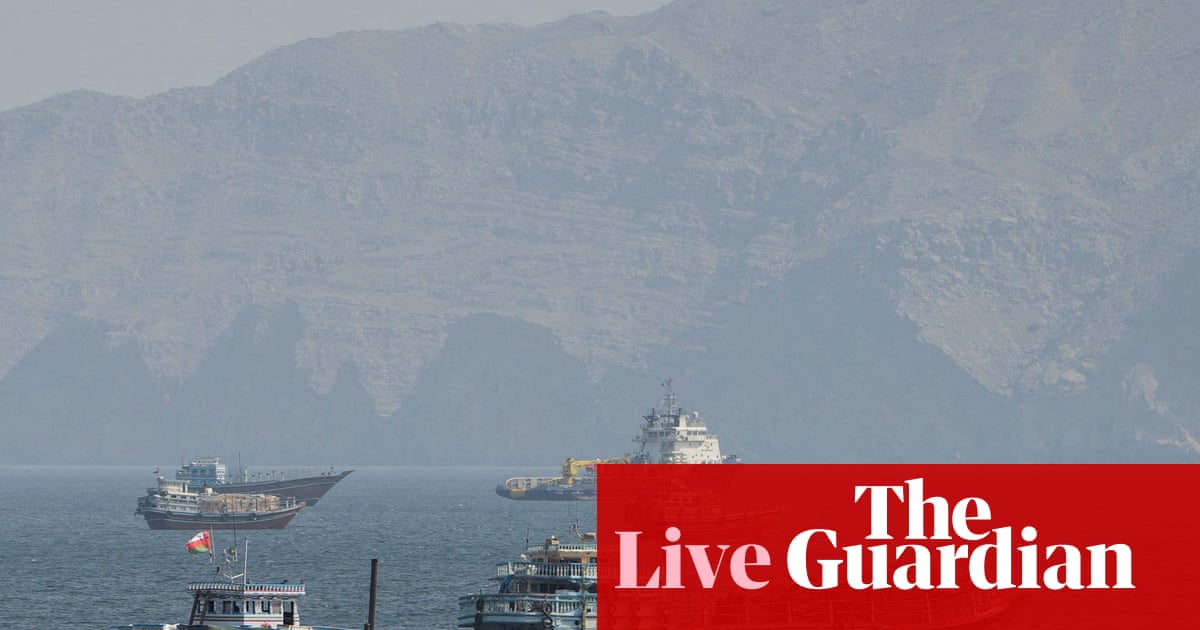
The current surge in fuel prices, nearing £2 per litre in some parts of the West of England, is creating significant economic headwinds for local businesses. This regional struggle is directly attributed to disruptions in critical global shipping lanes, such as the Strait of Hormuz, which have tightened oil supplies amidst ongoing conflict in the Middle East. Businesses are caught in a difficult position, having to choose between increasing prices for consumers, potentially losing market share, or sacrificing their already thin profit margins.
Pieter-Jon Allis
Pieter-Jon Allis, owner of Stroud Taxi in Gloucestershire, exemplifies the challenges faced by service-based businesses with high fuel dependency. He reports being under "continual pressure to lowball" his prices, often matching rates from 15 years ago, despite fuel costs being at an all-time high. This competitive environment, exacerbated by the presence of services like Uber, means that a significant portion of his daily calls are merely requests for quotes, as customers actively compare prices.
Allis's situation underscores a broader issue where small businesses cannot easily pass on increased operational costs. The necessity to retain customers in a price-sensitive market forces them to absorb the rising fuel expenses, leading to a "complete nightmare" scenario for profitability. This dynamic threatens the sustainability of local transport services, which are vital for community connectivity, especially in rural areas where public transport options may be limited.
Susannah Moffat
Susannah Moffat, who operates Ledbury Road Services in Tewkesbury, Gloucestershire, illustrates the plight of petrol station owners. She emphasizes that the last thing her business wants is to "lose more trade" by raising prices, despite facing higher wholesale costs for fuel. Consequently, the strategy has been to repeatedly cut profit margins, trying to keep pump prices as low as possible for consumers.
This continuous erosion of margins means that the petrol station is increasingly "relying" on income generated from shop sales to remain viable. Moffat's experience highlights how ancillary services become critical lifelines when core business operations become unprofitable. Her sentiment, "Seems like there's no end in sight really, but hopefully it won't be forever," reflects the widespread uncertainty and hope for market stabilization among small business owners.
Freewheelers Blood Bikes
The impact of soaring fuel prices extends beyond commercial enterprises to essential charitable organizations, as demonstrated by Freewheelers Blood Bikes. This volunteer charity, which supports the NHS by delivering vital medical products across a vast operational distance of over 220,000 miles annually, is "sucking up the impact in our reserves." Chris MacDonald, chair of the Bristol branch, notes a significant jump in their annual fuel expenditure, from £17,000 to an anticipated £22,000.
As a charity relying solely on public fundraising, this increased cost directly strains their financial resources. While MacDonald assures they can sustain the current situation for a while by dipping into reserves, he acknowledges that continued price rises would necessitate reducing "low priority" callouts. This scenario underscores how economic pressures can indirectly affect public services and patient care, as charities struggle to maintain their critical support functions.
Key points
- Businesses in the West of England are struggling with profitability as petrol prices near £2 per litre.
- Global oil supply disruptions, linked to the Middle East conflict, are the primary cause of soaring fuel costs.
- Taxi services are under pressure to maintain low prices to compete, despite high fuel expenses.
- Petrol stations are cutting profit margins and relying on shop sales to stay afloat.
- Volunteer blood bike charities are drawing on reserves and may have to reduce 'low priority' callouts if fuel costs continue to rise.
Should global oil supplies stabilize and the conflict in the Middle East de-escalate, fuel prices could ease, allowing businesses to recover their profit margins. This would alleviate pressure on small enterprises and charities, potentially preventing service reductions and fostering a more stable economic environment.
If fuel prices continue their upward trend, many small businesses face the risk of closure or significant scaling back of operations due to unsustainable profit margins. Essential services, like the Freewheelers Blood Bikes charity, may be forced to reduce critical callouts, impacting public services and potentially patient care.
Market signals
- OIL Disruptions around critical shipping lanes like the Strait of Hormuz are tightening global oil supplies amid ongoing conflict, driving up prices.
AI-generated analysis of potential market relevance. Not financial advice.