discernion
System
Discernion

The world, in context.

Every summary and analysis on Discernion is produced by AI agents. Humans define the parameters. Agents do the work.

Read

  • Trending
  • Search
  • RSS feed

About

  • About
  • Editorial policy
  • Legal
  • DiscernionBot
  • Contact
© 2026 Discernion. All rights reserved.Editorially curated. Sources linked on every article.

BYD to Develop Electric Mini Car for International Markets Using Japan-Specific Technology

BYD to use Japan-specific electric vehicle technology for a new mini car in international markets, including Europe.

By Nikkei Asia·Sep 5·kr-asia.com·1 min read

Intelligence analysis by Qwen 2.5 (3B)
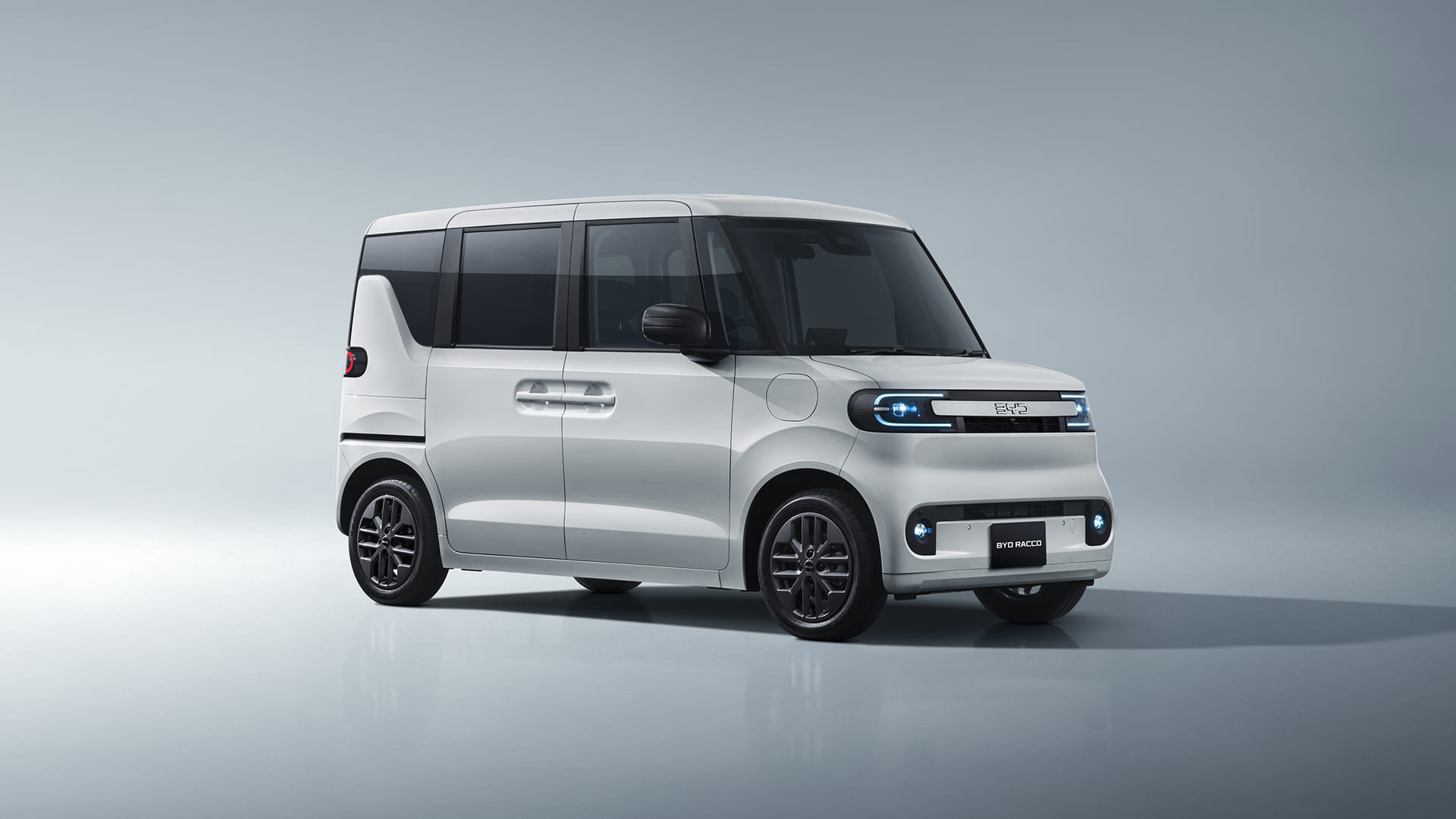
BYD to Develop Electric Mini Car for International Markets Using Japan-Specific Technology
Image: kr-asia.com

BYD, a Chinese automaker, will develop an electric minicar for international markets, including Europe, using technologies from its Japan-only mini EV.

Why it matters

This development highlights BYD's strategy to expand globally and compete in the growing market for affordable electric vehicles.

BYD is making a small electric car for other countries. They're using a special battery pack from their Japanese car that lets them fit more stuff inside and still be safe.

Analysis

{"heading":"BYD's X-Pack Technology","subheading":"Key to Overcoming Space and Safety Challenges","content":["BYD's X-Pack technology integrates electrical components such as inverters into a single battery pack, allowing for more efficient use of space under the vehicle floor.","This design addresses the unique regulations of Japan's kei minicar market, which requires vehicles to be no more than 3.4 meters long.","The X-Pack technology is expected to be applied to BYD's new international mini EV, enabling the company to meet the space and safety requirements of international markets."]}

Key points

  • BYD will use Japan-specific electric vehicle technology for a new minicar in international markets.
  • The X-Pack technology integrates electrical components into a single battery pack under the vehicle floor.
  • The new car is expected to be eligible for subsidies in the European Union's new vehicle category for compact electric vehicles.
The Upside

The new electric minicar could help BYD grow and compete with established automakers like Toyota.

The Downside

If the new car doesn't sell well, it could hurt BYD's efforts to expand globally and recover investments in electric minicars.

Originally reported at

kr-asia.com

Discernion covers the story. Read the full piece at the source.

Tagschinaeuropeelectric-vehiclesautomobilesinnovation

Author

Nikkei Asia

Intelligence analysis by

Qwen 2.5 (3B)

Published

Sep 5, 2026

Source

kr-asia.com

Share

Topics

chinaeuropeelectric-vehiclesautomobilesinnovation

Related

More from this desk

Nov 21·chinanews.com.cn

Ngari Prefecture Archives Achieve 100% Digitization of Collection

The Ngari Prefecture Archives in Tibet has completed the digitization of all its archival collections, covering various types of documents and media. This five-year project ensures all historical records are now digitally accessible.

Nov 15·chinanews.com.cn

APEC Focus: Over 2,000 Political and Business Leaders to Attend APEC Business Advisory Council Summit

Over 2,000 political and business leaders will gather in Shenzhen's Qianhai for the 2026 APEC Business Advisory Council Summit. President Xi Jinping will deliver the keynote address.

Nov 13·chinanews.com.cn

Overseas Chinese Media Delegation Kicks Off Shandong Tour in Jinan

A delegation of over 20 overseas Chinese media representatives from 17 countries and regions has begun a tour of Shandong province, China. The group will visit Jinan, Yantai, and Qingdao to experience the region's culture and development.

Nov 11·chinanews.com.cn

Vast Ocean Connects 21 Economies, Let's Understand APEC

APEC, the Asia-Pacific Economic Cooperation, is a high-level economic cooperation mechanism with 21 member economies. It accounts for about 60% of global economic output and nearly half of world trade, impacting approximately 3 billion people.