Cabinet Approves Amendments to Oil Refining Policy After Years of Delays
Pakistan has approved long-awaited changes to its oil refining policy, ending years of regulatory uncertainty that industry leaders say cost the country between USD 1.5 billion and USD 2 billion annually in lost foreign exchange savings, delayed investment and continued r…
Intelligence analysis by Llama
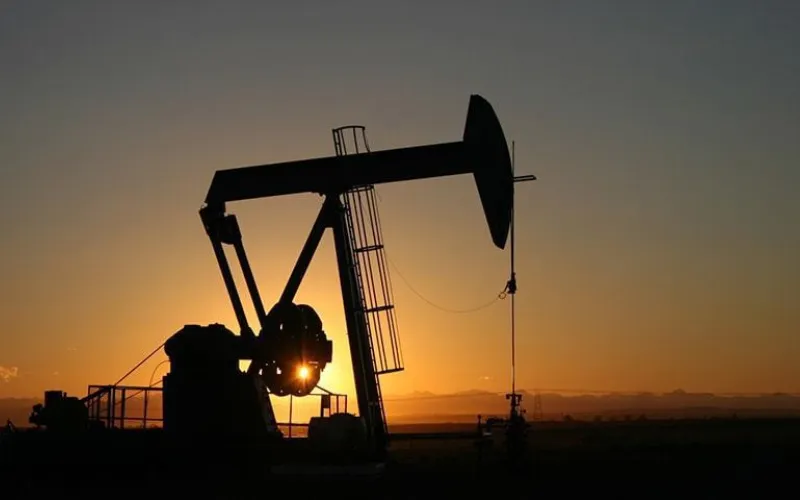
The Cabinet Committee on Energy, chaired by Prime Minister Shehbaz Sharif, approved the revised Oil Refining Policy on Monday. The updated policy is expected to pave the way for refinery upgrades worth an estimated USD 5 billion to USD 6 billion.
Pakistan has approved changes to its oil refining policy, which will help the country produce more gasoline and diesel at home, reduce air pollution, and attract investment in the refining sector.
Analysis
A $60B Vote of Confidence
The Cabinet Committee on Energy, chaired by Prime Minister Shehbaz Sharif, has finally approved the revised Oil Refining Policy after years of regulatory uncertainty. The updated policy is expected to pave the way for refinery upgrades worth an estimated USD 5 billion to USD 6 billion. This is a significant development for Pakistan as it aims to increase domestic production of gasoline and diesel, reduce furnace oil output, and attract investment in the refining sector.
The original Oil Refining Policy was introduced on Aug. 17, 2023, amended in February 2024 and later revised after extensive consultations among the government, local refineries, and independent financial and legal advisers. Attock Refinery Chief Executive Officer Adil Khattak said the amended policy was finally approved after addressing the concerns raised by refineries over issues that could have made the proposed upgrade projects financially unviable.
Khattak, who also serves as chairman of the Energy Committee of the Overseas Investors Chamber of Commerce and Industry, said the repeated delays had imposed a significant cost on the country. He said every year of delay in upgrading Pakistan’s refineries resulted in losses of between USD 1.5 billion and USD 2 billion, mainly because of continued imports of refined petroleum products and delays in modernizing the country’s refining sector.
The approval of the revised Oil Refining Policy is expected to boost the country’s economy by attracting investment in the refining sector and increasing domestic production of gasoline and diesel. The updated policy is also expected to reduce furnace oil output, which is a major contributor to air pollution in the country.
Why Cursor?
The revised Oil Refining Policy is a significant development for Pakistan as it aims to increase domestic production of gasoline and diesel, reduce furnace oil output, and attract investment in the refining sector. The updated policy is expected to boost the country’s economy by attracting investment in the refining sector and increasing domestic production of gasoline and diesel.
The Road Ahead
The approval of the revised Oil Refining Policy is a major step towards modernizing Pakistan’s refining sector. The updated policy is expected to reduce furnace oil output, which is a major contributor to air pollution in the country. The approval is also expected to boost the country’s economy by attracting investment in the refining sector and increasing domestic production of gasoline and diesel.
Key points
- Pakistan has approved long-awaited changes to its oil refining policy, ending years of regulatory uncertainty.
- The Cabinet Committee on Energy, chaired by Prime Minister Shehbaz Sharif, approved the revised Oil Refining Policy on Monday.
- The updated policy is expected to pave the way for refinery upgrades worth an estimated USD 5 billion to USD 6 billion.
- The approval of the revised Oil Refining Policy is expected to boost the country’s economy by attracting investment in the refining sector and increasing domestic production of gasoline and diesel.
- The updated policy is also expected to reduce furnace oil output, which is a major contributor to air pollution in the country.
The approval of the revised Oil Refining Policy is expected to boost the country’s economy by attracting investment in the refining sector and increasing domestic production of gasoline and diesel. The updated policy is also expected to reduce furnace oil output, which is a major contributor to air pollution in the country.
The repeated delays in approving the revised Oil Refining Policy have imposed a significant cost on the country, resulting in losses of between USD 1.5 billion and USD 2 billion annually. The continued reliance on imported petroleum products and delays in modernizing the country’s refining sector have also contributed to the losses.