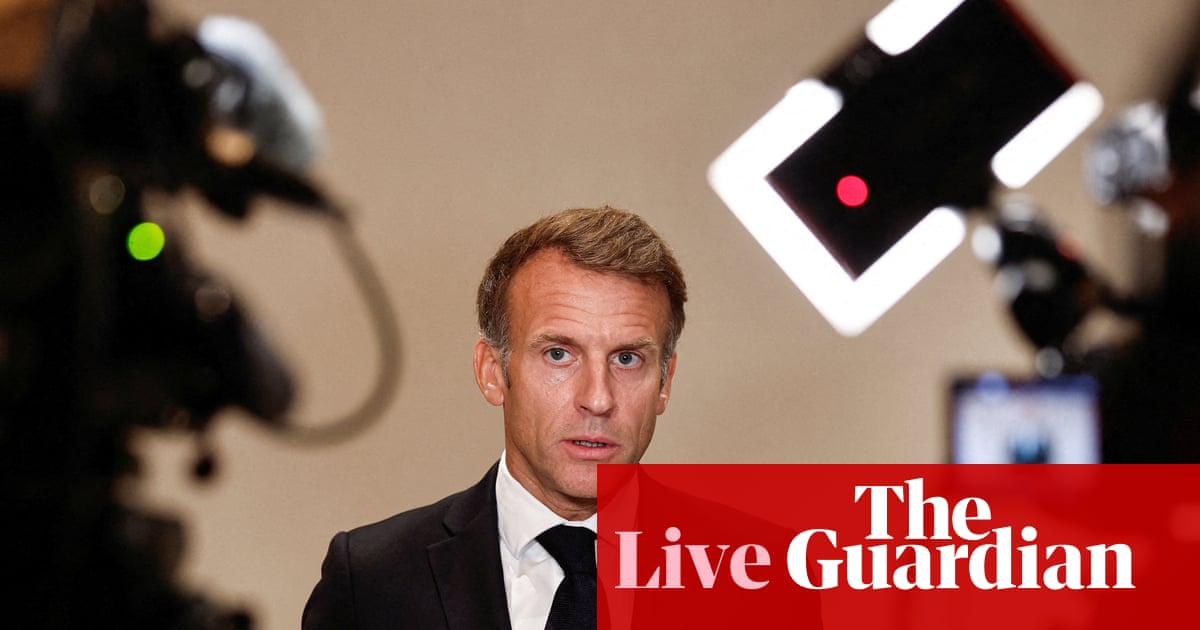
Cabinet split widens as minister refuses to back Shabana Mahmood’s immigration plans
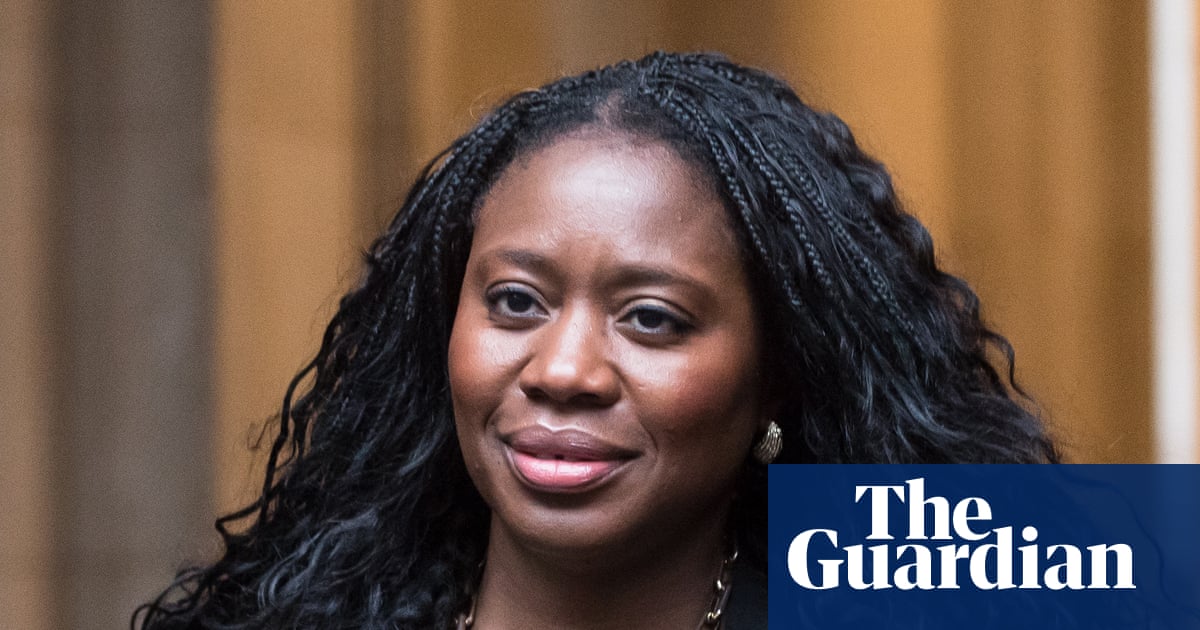
A cabinet split has deepened within the UK Labour government over Home Secretary Shabana Mahmood's proposal to extend the waiting period for foreign workers to claim permanent residency from five to 15 years. Energy Secretary Miatta Fahnbulleh notably avoided explicitly e…
Intelligence analysis by Gemini 2.5 Flash
The Labour government is facing internal dissent regarding a controversial immigration policy proposed by Home Secretary Shabana Mahmood, which seeks to prolong the path to permanent residency for foreign workers. Energy Secretary Miatta Fahnbulleh's public reluctance to fully back the 15-year waiting period highlights a broader cabinet division and criticism from numerous Labour MPs,…
Imagine the UK is like a big club, and people from other countries want to join and live there permanently. Right now, if you work hard for 5 years, you can apply to become a full member. But the Home Secretary, Shabana Mahmood, wants to change the rules so you have to wait 15 years instead! Some other important people in the club, like Miatta Fahnbulleh, think this is too long and not fair, saying the club should be more kind and appreciate what people bring. They're all talking about it to decide what's best.
Analysis
Shabana Mahmood's Proposal
Home Secretary Shabana Mahmood has put forward a contentious plan to significantly alter the UK's immigration system, specifically targeting the path to permanent residency for foreign workers. The core of her proposal involves extending the required waiting period from the current five years to a substantial 15 years before foreign workers can claim permanent residence in the United Kingdom. This policy, if implemented, would also be backdated to 2021, affecting individuals who have already been working in the UK under the previous rules. The rationale behind this extension, as suggested by a government spokesperson, is to ensure that "settlement must be earned and not automatic," implying a stricter approach to immigration control and integration.
The proposed changes have not been met with universal approval, even within Mahmood's own party. The article highlights that dozens of Labour MPs oppose these changes, indicating a significant internal challenge to the Home Secretary's agenda. This internal resistance suggests that the policy's implementation could face considerable hurdles, potentially leading to a watered-down version or even a full withdrawal if the opposition proves too strong. The consultation process currently underway is crucial, as it provides an opportunity for various stakeholders, including dissenting ministers and MPs, to voice their concerns and influence the final shape of the policy.
Miatta Fahnbulleh's Stance
Energy Secretary Miatta Fahnbulleh has emerged as a prominent voice of dissent within the cabinet regarding Shabana Mahmood's immigration plans. While she expressed general support for reforming the immigration system and for Mahmood's overall efforts, Fahnbulleh conspicuously avoided explicitly endorsing the specific proposal of a 15-year waiting period for permanent residency. Her public statements, particularly during an interview with Sky News, emphasized the need for an immigration system "based on the principle of compassion" and one that recognizes the "contribution" of immigrants. This framing stands in contrast to the more control-oriented rhetoric surrounding Mahmood's proposal.
Fahnbulleh's position is further underscored by a previously removed post on her Peckham constituency website, where she was quoted as saying that prolonging the wait for settlement could "prolong the process of building cohesion." This suggests a concern that extended waiting periods might hinder integration rather than promote it. Her personal background as someone who came to the UK as a refugee also lends weight to her arguments for a more compassionate system. The article notes that despite saying she "100% back[s] Shabana Mahmood and everything she is trying to do," Fahnbulleh skillfully sidestepped direct questions about the 15-year wait, even telling an interviewer "Don’t … put words in my mouth" when pressed.
The 15-Year Wait Controversy
The proposal to extend the waiting period for permanent residency to 15 years is the central point of contention, creating a deep cabinet split. This significant increase from the current five years has drawn criticism not only from Miatta Fahnbulleh but also from other senior Labour figures, including Housing Secretary Angela Rayner, who publicly criticized the plans earlier in the year. The backdating of the policy to 2021 further complicates matters, as it could retroactively impact foreign workers who arrived under different expectations, potentially leading to uncertainty and disillusionment among this demographic.
The practical implications of the 15-year wait are also a major concern, particularly for critical sectors. Andy Burnham is reportedly considering exempting care work from the extension, acknowledging the vital role foreign workers play in this sector. However, the Home Office has countered this by arguing that such an exemption could lead to an "exodus of foreign workers" from the care sector once they are no longer bound by their visa terms, highlighting a potential conflict between immigration control and economic needs. The ongoing consultation process is therefore crucial for determining whether this controversial 15-year waiting period will be maintained, modified, or ultimately abandoned in the face of widespread opposition and practical concerns.
Key points
- A cabinet split has emerged in the UK Labour government over Home Secretary Shabana Mahmood's immigration plans.
- The controversial proposal seeks to extend the waiting period for foreign workers to claim permanent residency from five to 15 years.
- Energy Secretary Miatta Fahnbulleh avoided explicitly backing the 15-year plan, advocating for a system based on "compassion" and "contribution."
- Housing Secretary Angela Rayner and dozens of Labour MPs also oppose the changes, which would be backdated to 2021.
- The Home Office warns that exempting care workers from the extension could lead to an exodus from the sector.
The ongoing consultation process could lead to a more nuanced and balanced immigration policy that addresses concerns about both national control and the compassionate treatment of foreign workers. By taking into account the diverse feedback, including the strong arguments from ministers like Miatta Fahnbulleh, the Labour government might craft a policy that secures broader party support and ensures the UK remains an attractive destination for essential foreign labor while promoting integration.
The deepening cabinet split and widespread opposition from Labour MPs could significantly weaken the government's ability to implement a coherent immigration strategy. This internal discord might force Shabana Mahmood to water down her plans to the point of ineffectiveness, or it could lead to a prolonged period of policy uncertainty, potentially exacerbating worker shortages in critical sectors like care and damaging the party's unity and public image.