Cake sheds are making bakers £1,000 a week - but the dream might be over
Cake sheds have become profitable microbusinesses for home bakers selling from honesty boxes. Councils in England are reviewing rules that could force some to close.
Intelligence analysis by GPT-5.4 Mini
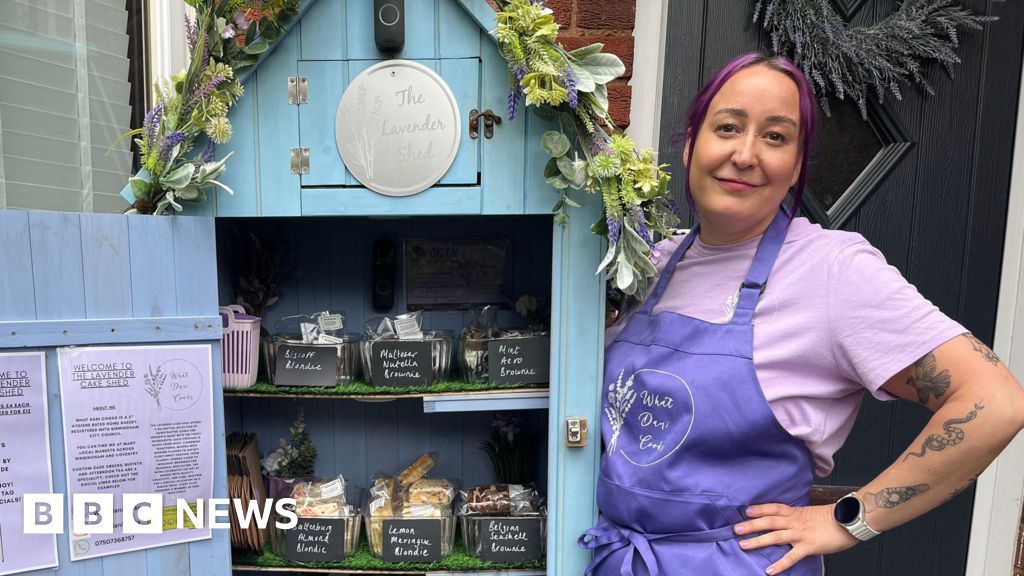
What began as spare-cake sales from garden sheds has become a growing side-hustle economy, with some bakers earning hundreds to £1,000 a week. That boom is now meeting street-trading rules as councils weigh tighter licensing.
Cake sheds are like tiny snack shops in a front garden, where people trust each other to leave money in a box. Some bakers are making good money from them, but new rules could make the little shops too costly to keep open.
Analysis
A small format with real money behind it
Cake sheds are turning into a recognizable part of local streets in the UK: small roadside or front-garden stalls filled with home-baked goods, with customers paying through an honesty box. The article says the idea has spread from the countryside into towns and cities, and that some online communities are growing quickly as more bakers join in.
For some sellers, the sheds have moved beyond side hustle status. Danielle Edgington in Kings Heath, Birmingham, says her shed now brings in between £500 and £1,000 a week, enough for her to leave her catering manager job and work on it full time. She says demand has been strong enough that customers travel from nearby towns, and that social media, especially TikTok, has helped drive interest. Another seller, Charley Coleman-Pollard in Castlethorpe, Milton Keynes, says the shed extends an existing baking business and gives her flexibility around childcare.
The regulatory catch
The bigger story is that this informal model is now running into street-trading law. The article says some councils in England are reviewing whether cake sheds need licences under the Local Government (Miscellaneous Provisions) Act, which covers selling goods in a street. It also lists the practical requirements owners may need to meet, including registering with the council, passing health and safety checks, getting food hygiene advice and labelling allergens, and carrying insurance.
That creates a tension at the centre of the trend: the sheds can be cheap to start and easy to run, but added licensing costs and rules could change the business case. For bakers relying on modest weekly profits, tighter enforcement could be enough to shut the model down.
Key points
- Cake sheds are small home-baked goods stalls, usually in gardens, driveways or by roadsides, with honesty-box payment.
- Some bakers are making hundreds of pounds a week, and one seller says her shed brings in £500 to £1,000 weekly.
- The trend is growing fast online and is spreading from rural areas into towns and cities.
- Councils in England are reviewing whether cake sheds need street-trading licences under existing law.
- Supporters see flexible income and community value, while stricter rules could shut some sheds down.
If councils create clear, workable rules, cake sheds could keep giving bakers a low-cost way to earn money from home. The model also offers flexible work for parents and others who want to grow a small business gradually.
If tighter licensing is enforced broadly, some bakers say they may have to close. Extra fees and compliance could wipe out the small profits that make honesty-box sales viable.