California bans paraquat, highly toxic herbicide outlawed in more than 70 countries
California is phasing out paraquat, a widely used herbicide linked to Parkinson’s, after state regulators reviewed its risks and industry withdrew permits.
Intelligence analysis by GPT-5.4 Mini
The ban makes California the second US state to prohibit paraquat and could push federal regulators to revisit a chemical already outlawed in more than 70 countries, after years of warnings about its toxicity and Parkinson’s links.
California is telling farmers to stop using a poison weed killer called paraquat. Think of it like a toy so sharp and broken that most other countries already threw it away, and now California is finally doing the same.
Analysis
Paraquat
Paraquat has long been the kind of chemical regulators describe in narrow technical terms while public health advocates describe it in blunt ones. The article cites the Environmental Protection Agency’s own warning page title, “One Sip Can Kill,” and notes that the herbicide is already banned in more than 70 countries.
That contrast is the core of the story. If a substance is treated as too dangerous for most of the world but still remains common in US agriculture, a state-level ban is more than a local policy choice. It becomes evidence that the country’s risk tolerance is out of step with much of the rest of the world.
California matters because scale changes politics. The article says the state is the largest US user of paraquat, so its decision will not stay symbolic for long. A phaseout in the biggest market can alter how growers think about weed control even before federal policy changes.
Central Valley
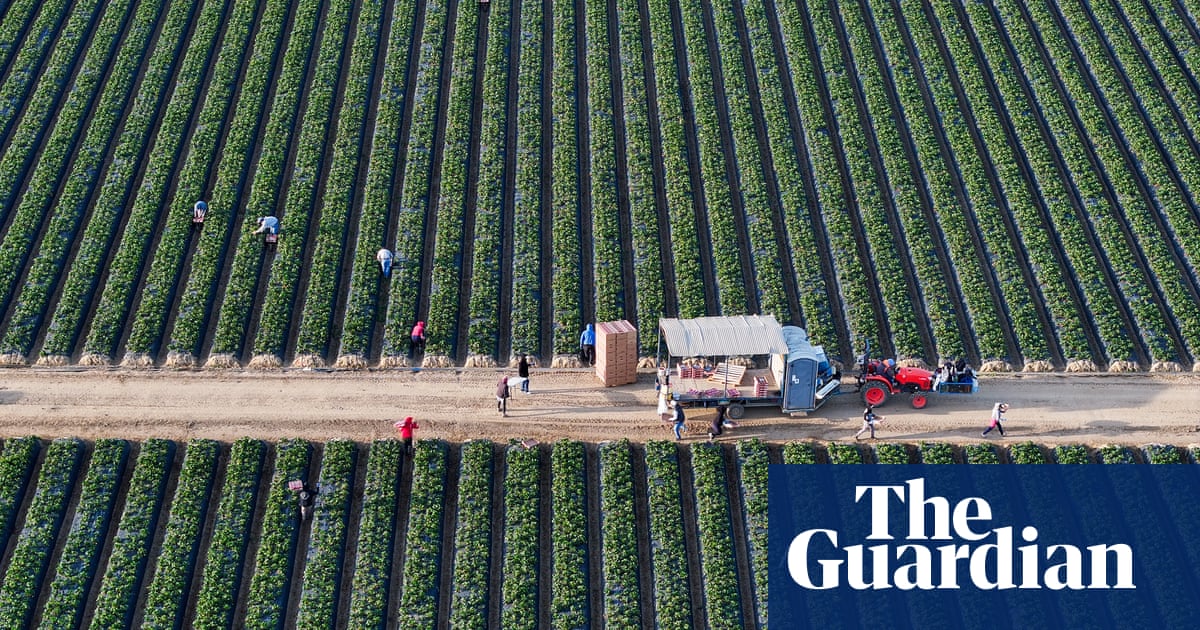
The article anchors the health case in farming geography rather than abstract theory. It points to heavy use in California’s Central Valley, where workers and nearby communities are more likely to face repeated exposure from spraying, drift, and inhalation.
That is why public health groups have pushed so hard for a ban. The state review cited associations with Parkinson’s disease, thyroid disease, reproductive harms and birth defects, while also warning that paraquat’s environmental footprint may be hard to manage because it can remain in soil for decades.
The wildlife angle strengthens the argument further. California regulators found potential risks to birds and mammals, including threatened species such as the San Joaquin kit fox and the Swainson’s hawk. This turns the case against paraquat into a broader story about what kinds of risks are acceptable in industrial farming.
Syngenta
Syngenta’s withdrawal is the most revealing corporate move in the article. According to the story, the company, which made the largest amount of paraquat, pulled its use permit in California in April and said it would stop producing the substance altogether.
That decision suggests the company saw little upside in forcing a prolonged fight over fresh risk data. The California Department of Pesticide Regulation said it began requesting updated information from makers, but the industry chose to stop using paraquat in the state instead of continuing under that review.
The federal implications are immediate. California’s move adds pressure on the EPA, which reapproved paraquat in 2021 and 2024, even as public health groups led by Earthjustice keep suing the agency over the chemical’s Parkinson’s links. If California is where the country’s biggest user backs away first, the EPA will face a harder political and scientific defense for inaction.
Key points
- California canceled its last remaining paraquat registration and plans a two-year phaseout.
- Paraquat is already banned in more than 70 countries, including China, the UK and the EU.
- State regulators cited links to Parkinson’s disease and other health and environmental harms.
- Syngenta withdrew its permit and said it would stop producing the chemical.
- The decision could increase pressure on the EPA, which has reapproved paraquat in recent years.
If the phaseout works as intended, farmworkers and nearby communities in California could face less exposure to a chemical linked in the article to serious health harms. The move could also give regulators and public health groups more momentum to push the EPA toward stricter action.
The phaseout takes two years, so exposure does not end immediately. If the EPA keeps paraquat legal and other states do not follow California, use could continue elsewhere even as legal and political fights drag on.