Cameroon: Tiriane Noah Heads MRC Amidst Loyalty to Maurice Kamto and Internal Challenges
Tiriane Balbine Noah has been elected the new president of Cameroon's main opposition party, the MRC, securing 96.89% of the vote. She succeeds Maurice Kamto, who is expected to be the party's candidate in the next presidential election.
Intelligence analysis by Gemini 2.5 Flash Lite
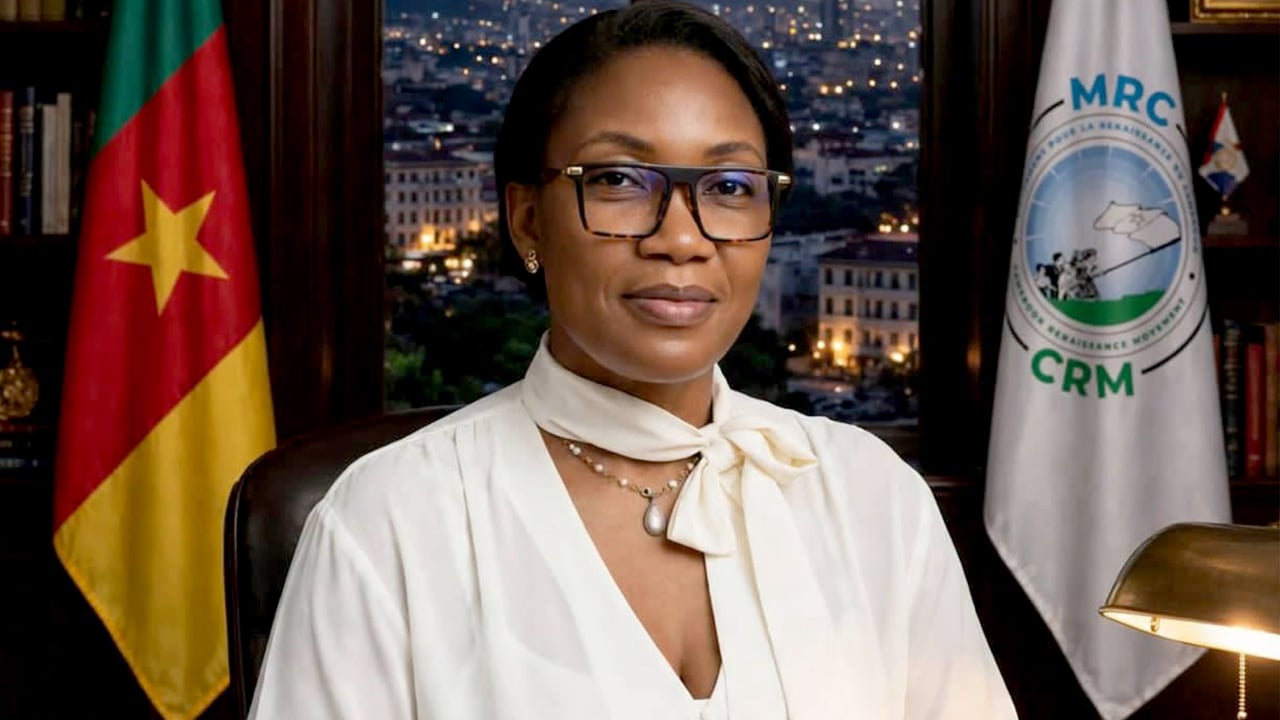
Tiriane Noah's election as the new president of the Mouvement pour la renaissance du Cameroun (MRC) marks a significant internal development for Cameroon's primary opposition party. While her landslide victory underscores a strong mandate, her leadership will be tested by the need to balance loyalty to Maurice Kamto, the party's de facto leader and likely presidential candidate, with …
Imagine a big team in Cameroon that wants to be in charge of the country, called the MRC. They just picked a new captain, Tiriane Noah, who won a big vote. She'll lead the team, but the old captain, Maurice Kamto, is still very important and might try to be in charge of the whole country later. Noah needs to be a good captain for the team while still listening to the old captain.
Analysis
Tiriane Noah's Mandate
Tiriane Balbine Noah's election as the new president of the Mouvement pour la renaissance du Cameroun (MRC) on October 17th, 2026, was a decisive victory, securing an overwhelming 96.89% of the vote. As the sole candidate, her ascent to the party's leadership was largely anticipated, especially given her prior role in an interim capacity. This substantial mandate suggests a strong internal consensus behind her leadership, at least on the surface. The party faithful appear to have coalesced around her to ensure continuity and stability within the organization, particularly as it looks towards future electoral contests.
However, the nature of her election as the sole candidate raises questions about the internal democratic processes within the MRC. While it ensures a smooth transition and avoids potential factionalism during the electoral period, it also limits the scope for internal debate and the emergence of alternative leadership visions. The party's strategy will likely remain closely aligned with that of Maurice Kamto, who is widely expected to be the MRC's candidate in the upcoming presidential elections. Noah's role, therefore, may be more about consolidating Kamto's position and managing the party apparatus in his stead, rather than charting a distinctly new course.
Maurice Kamto's Shadow
The continued influence of Maurice Kamto over the MRC is a central theme in Noah's ascension. Kamto, the party's founder and a prominent figure in Cameroonian opposition politics, is already positioned as the likely presidential contender for the next election. Noah's leadership, therefore, operates within the significant gravitational pull of Kamto's political legacy and future ambitions. Her loyalty to Kamto is a key factor, and her success will likely be measured by her ability to effectively support his presidential bid while also managing the day-to-day operations and internal cohesion of the party.
This dynamic presents both an opportunity and a challenge for Noah. On one hand, Kamto's established presence provides a strong platform and a clear direction for the party. On the other hand, it could limit Noah's autonomy and her ability to cultivate her own political identity and leadership style. The party's internal discourse will need to balance deference to Kamto with the need for robust internal debate and the development of new leadership talent to ensure the MRC's long-term sustainability beyond its current figurehead.
Internal Challenges and Future Prospects
The MRC, like many political parties, faces inherent internal challenges that Noah will need to address. These can range from managing diverse ideological currents within the party to ensuring effective grassroots mobilization and maintaining party discipline. The article hints at these internal dynamics, suggesting that Noah's leadership will be tested by these complexities. Her ability to foster a sense of unity and purpose among party members, regardless of their individual ambitions or regional affiliations, will be critical.
Furthermore, the MRC's effectiveness as an opposition force depends not only on its internal strength but also on its ability to connect with the broader Cameroonian electorate and to present a compelling alternative to the ruling party. Noah's leadership will be under scrutiny to see if she can energize the party base, attract new supporters, and articulate a vision that resonates with the country's pressing issues. The success of her tenure will ultimately be judged by the MRC's performance in future elections and its capacity to influence Cameroon's political trajectory.
Key points
- Tiriane Balbine Noah has been elected the new president of Cameroon's main opposition party, the MRC.
- She won with a significant majority, securing 96.89% of the vote as the sole candidate.
- Noah succeeds Maurice Kamto, who is expected to be the party's candidate in the next presidential election.
- Her leadership will involve balancing loyalty to Kamto with managing the party's internal challenges and future direction.
Tiriane Noah's election could usher in a new era of stability and focused campaigning for the MRC, allowing the party to consolidate its support base. Her leadership might foster greater internal unity, enabling the party to present a more cohesive and formidable opposition in upcoming elections.
Noah's leadership may be overshadowed by Maurice Kamto's continued influence, potentially limiting her autonomy and the party's ability to evolve. Internal divisions could resurface if her mandate is perceived as merely a placeholder for Kamto's presidential ambitions, weakening the MRC's overall electoral prospects.