Can a Library Read Your Mood? Wuhan Wants to Find Out
A library in Wuhan has opened a section dedicated to improving patrons' mental health, offering personalized book recommendations and interactive digital installations. The space has received around 40,000 visitors since its trial opening in February.
Intelligence analysis by Llama 3.3 70B
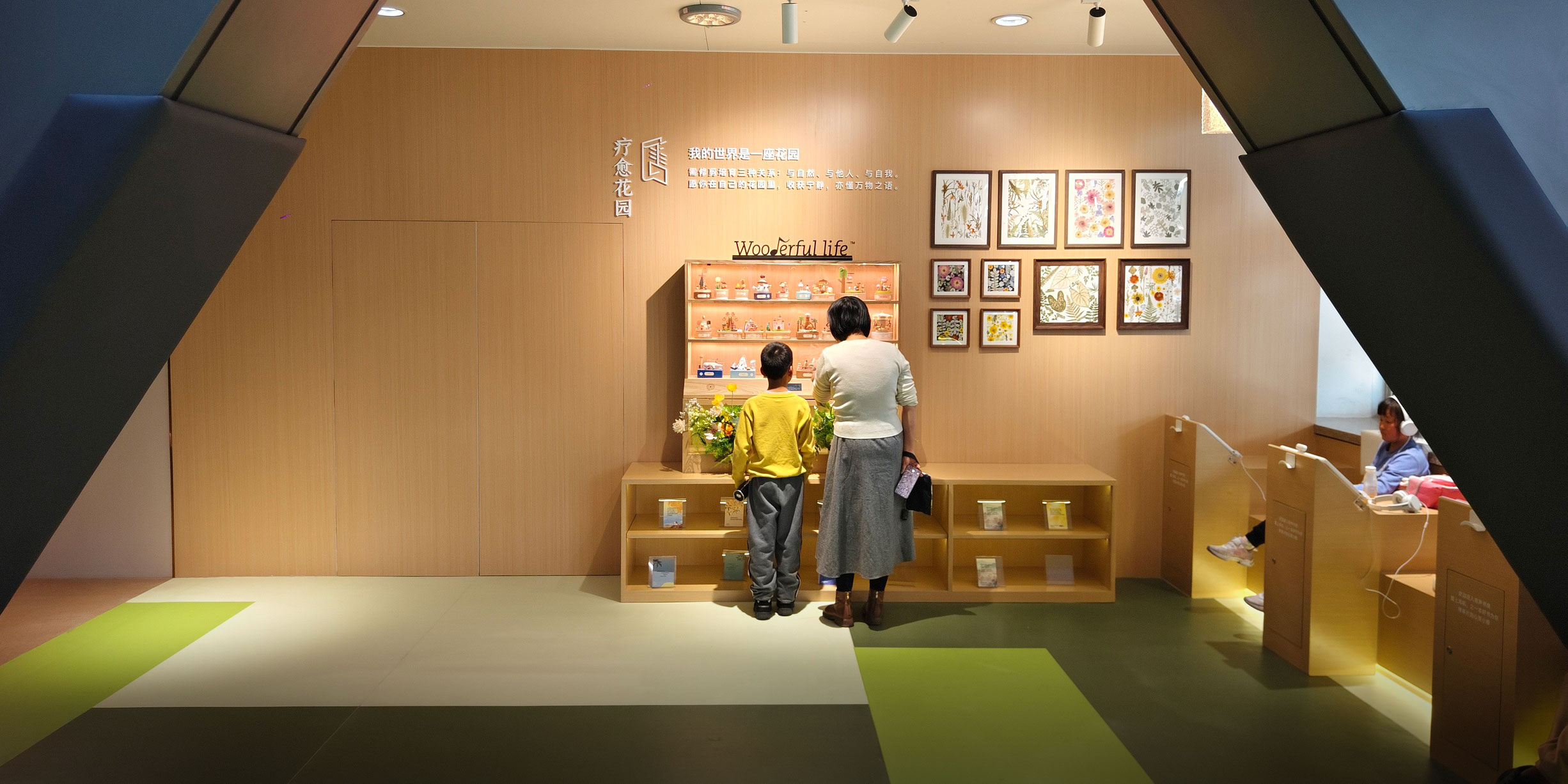
The Emotional Library in Wuhan combines themed book collections with interactive digital installations to help people understand and regulate their emotions, amid rising mental health concerns in China.
Imagine a library where you can find books that match how you're feeling. This library in Wuhan uses special technology to help you find the right books and even has a garden where you can draw and express your emotions.
Analysis
Introduction to Emotional Libraries
The concept of an emotional library is a novel approach to addressing mental health concerns. By providing a space where people can explore their emotions through literature and interactive installations, the library aims to promote emotional well-being. The use of intelligent camera technology to scan visitors' emotional states and provide personalized book recommendations is a unique feature of this library.
The library's focus on emotions and mental health is particularly relevant in China, where mental health conditions are on the rise. According to the WHO, roughly 54 million people live with depression in the country, and another 41 million have some form of anxiety disorder. The library's initiative could potentially provide a much-needed resource for people struggling with mental health issues.
The Role of Technology in Emotional Libraries
The Emotional Library in Wuhan is not just a physical space, but also a hub for technological innovation. The use of AI-generated visual effects to identify a person's emotional state and turn it into artistic imagery is a notable example of how technology can be used to support mental health. The library's interactive hand-drawn map, which features Hubei's landscapes, historical sites, and local cuisine, is another example of how technology can be used to promote emotional well-being.
The library's use of technology also raises interesting questions about the potential for digital libraries to support mental health. As more people turn to digital platforms for entertainment and education, there may be opportunities for libraries to develop digital resources that promote emotional well-being. The Emotional Library in Wuhan could potentially serve as a model for other libraries to follow in this regard.
The Future of Emotional Libraries
The Emotional Library in Wuhan is still a relatively new initiative, but it has already received a positive response from visitors. The library's plan to continue developing services that combine emotional well-being, digital reading, and tourism is an exciting development, and could potentially provide a model for other libraries to follow. As mental health concerns continue to rise, the need for innovative approaches to supporting emotional well-being will only continue to grow. The Emotional Library in Wuhan is an important step in this direction, and its success could have significant implications for the future of libraries and mental health support.
Key points
- The Emotional Library in Wuhan is a new initiative that aims to promote emotional well-being through literature and interactive installations
- The library uses intelligent camera technology to scan visitors' emotional states and provide personalized book recommendations
- The library's focus on emotions and mental health is particularly relevant in China, where mental health conditions are on the rise
The Emotional Library in Wuhan could potentially provide a model for other libraries to follow, and its success could have significant implications for the future of libraries and mental health support. The library's use of technology and interactive installations could also help to reduce stigma around mental health issues and promote emotional well-being. As the library continues to develop its services, it may be able to reach an even wider audience and provide support to people who need it most.
The Emotional Library in Wuhan is still a relatively new initiative, and it may face challenges in terms of funding and resources. The library's reliance on technology could also be a limitation, as not all visitors may have access to the necessary devices or be comfortable using them. Additionally, the library's focus on emotions and mental health may not be suitable for all visitors, and it may be important to provide alternative resources and support for those who need it.