Can I buy shares in Elon Musk's SpaceX?
SpaceX is preparing a huge share sale that could value it at about $1.75tn. The offering may be open to some individual investors, but the price and risks are hotly debated.
Intelligence analysis by GPT-5.4 Mini
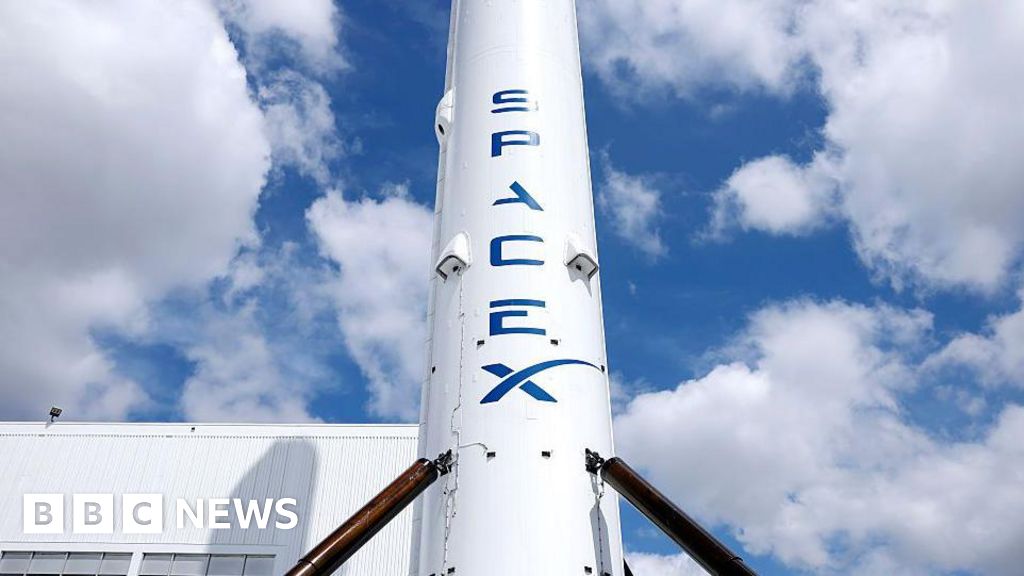
SpaceX is set for a landmark public share sale on Nasdaq, with more than 550 million shares expected to be offered at $135 each. The article says the deal could raise at least $75bn, but it also highlights doubts about profitability, valuation, and Musk's control.
SpaceX is like a very expensive rocket shop that is putting new pieces of itself up for sale. People can buy a tiny part, but the owner still keeps almost all the control, and nobody knows if the price will later go up or crash.
Analysis
What SpaceX is doing
SpaceX, which is owned by Elon Musk and private investors, is planning to sell new shares to the public on 12 June. The company says more than 550 million shares could be offered at $135 each, and the sale is meant to raise at least $75bn. If it happens as described, SpaceX would become one of the ten largest listed companies in the US.
The business is not just about rockets. The article says SpaceX's activities include space exploration, satellite communications, the social media site X, and Musk's AI platform Grok. Musk also wants the capital to support future projects such as asteroid mining, Mars colonisation, and AI data centres in space.
What investors would be buying
The BBC notes that individuals, including in the UK, may be able to buy through some investment platforms and brokers, while big institutions are also likely to participate. But buying in does not mean buying control: Musk is expected to keep more than 80% of the voting power after the sale, so he would still decide the company's direction and leadership.
The risk question
The article is clear that the deal is a bet on Musk's ability to deliver on huge ambitions. SpaceX brought in $18.6bn in revenue last year, but it also reported a net loss of $4.9bn. Its prospectus says the company has "a history of net losses" and may not become profitable in the future.
That is why the valuation looks contested. Supporters argue Musk has overcome setbacks before. Critics worry the price already assumes a lot of future success, especially in expensive and uncertain areas like AI. The share price could move sharply once trading starts if the market decides the initial valuation was too high or too low.
Key points
- SpaceX plans to sell new shares publicly on 12 June in a major Nasdaq listing.
- The offering could raise at least $75bn and value the company at about $1.75tn.
- Individuals may be able to buy shares through some brokers, not just big institutions.
- Musk is expected to keep more than 80% of the voting power after the sale.
- The company made $18.6bn in revenue last year but reported a $4.9bn net loss.
If the share sale goes as planned, SpaceX could raise a massive amount of money to expand its current businesses and fund new projects. Supporters say the company's many businesses and Musk's track record could keep investor demand strong.
The article warns that SpaceX still loses money and may not become profitable in the future. If investors think the valuation is too high, the share price could fall quickly once trading begins, especially given the uncertainty around AI and other ambitious projects.