Can you get cancer? Hong Kong doctors say it takes more than 1 mistake
Hong Kong doctors emphasize that while genetics play a role, about 90% of cancers are sporadic, meaning lifestyle choices and early detection are crucial in reducing risk.
Intelligence analysis by Gemini 2.5 Flash
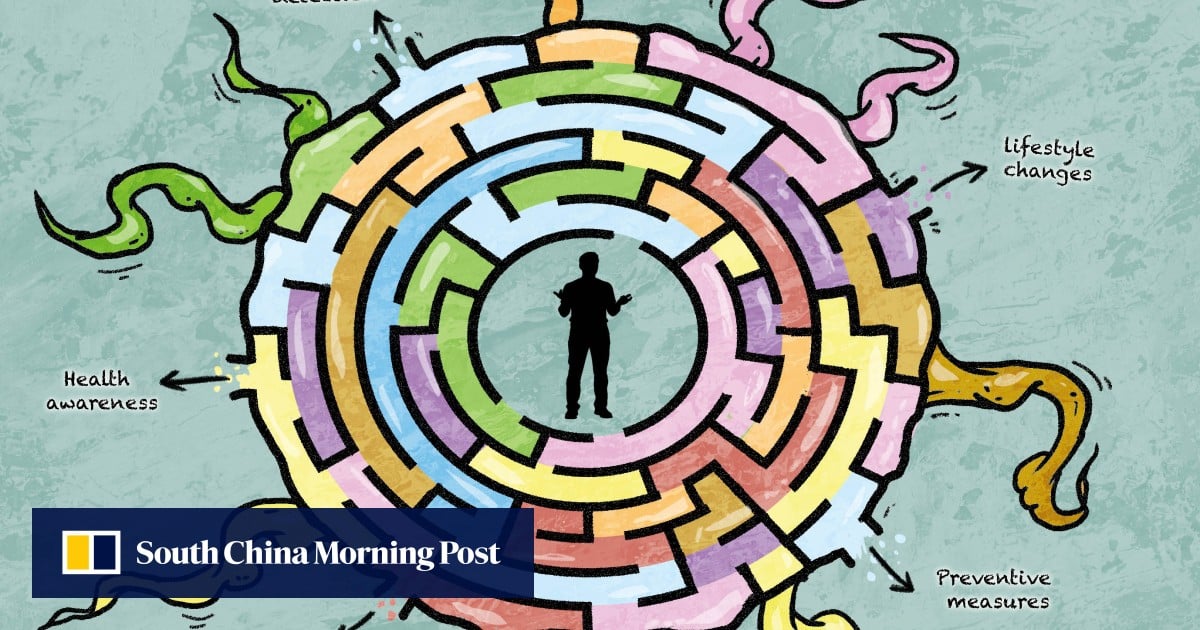
This article, part of a wellness series, explores how genetics, lifestyle, and chance intertwine in cancer risk, highlighting the importance of sustained healthy habits and vigilance. It features a personal account of a 30-year-old Hong Kong resident diagnosed with testicular cancer after noticing a subtle change.
Imagine your body is like a garden. Sometimes, a weed (cancer) can start to grow. Doctors in Hong Kong say it's usually not because you made just one tiny mistake, like forgetting to water once. Instead, it's often many small things over time, like not getting enough sunshine or having too many sugary snacks. But the good news is, if you keep your garden healthy with good food and exercise, and you check it often for tiny weeds, you can catch them early and keep your garden strong!
Analysis
The Interplay of Chance and Choice
While the fear of cancer often leads individuals to scrutinize every potential symptom, Hong Kong medical experts underscore that cancer development is rarely the result of a single misstep. The article highlights that approximately 90 percent of cancers are sporadic, meaning they are not directly inherited but rather arise from a complex interaction of genetic predispositions, environmental factors, and lifestyle choices over time. This perspective shifts the focus from individual blame to a more holistic understanding of risk, where cumulative factors play a more significant role than isolated incidents.
This understanding is crucial for public health messaging, as it empowers individuals to make sustained, small lifestyle changes that can collectively reduce their risk. Instead of feeling overwhelmed by the randomness of cancer, people can focus on actionable steps. The narrative suggests that while chance is an undeniable element, consistent efforts in maintaining a healthy lifestyle can significantly tip the scales in one's favor, offering a degree of control over a seemingly unpredictable disease.
The Power of Early Detection
The personal story of Tom Hutchins, a 30-year-old business director in Hong Kong diagnosed with testicular cancer, powerfully illustrates the critical importance of early detection. Hutchins' experience underscores that cancer warning signs are not always obvious or dramatic; in his case, it was a tiny, almost imperceptible dot rather than a distinct lump. His proactive decision to seek medical advice, prompted by his girlfriend, proved life-changing, allowing for an early diagnosis and a clearer path forward.
Testicular cancer, though relatively rare overall, is the most common cancer among men aged 15 to 35, making awareness of subtle symptoms particularly vital for this demographic. The article implicitly advocates for regular self-checks and not dismissing minor bodily changes, as these can be the first indicators of a serious condition. Early clarity from doctors, as Hutchins experienced, can also help patients mentally prepare for a diagnosis, softening the shock and enabling them to approach treatment with greater understanding and resilience.
Shifting the Public Health Narrative
The final installment of this wellness series aims to reframe the public perception of cancer in Hong Kong, moving beyond a fatalistic view to one that emphasizes agency and prevention. By stressing that cancer often requires more than a single 'mistake' to develop, doctors are encouraging a sustained, proactive approach to health. This includes not only adopting healthier habits but also fostering a culture of vigilance regarding one's own body and seeking timely medical consultation for any unusual symptoms.
This approach is particularly relevant in a densely populated city like Hong Kong, where lifestyle factors such as diet, stress, and environmental exposures can contribute to cancer risk. The article's message serves as a reminder that while some aspects of cancer are beyond individual control, a significant portion of risk can be mitigated through informed choices and a commitment to early intervention. It encourages a balanced perspective, acknowledging the role of chance while empowering individuals to take meaningful steps towards reducing their personal cancer risk.
Key points
- About 90% of cancers are sporadic, meaning they are not primarily genetic but influenced by lifestyle and chance.
- Small, sustained lifestyle changes can significantly reduce cancer risk.
- Early detection is crucial, as demonstrated by a 30-year-old's testicular cancer diagnosis from a subtle symptom.
- Testicular cancer is the most common cancer affecting men aged 15 to 35.
- Awareness of subtle warning signs like a 'dot' or feeling of heaviness is vital for timely medical intervention.
The emphasis on sporadic cancers and lifestyle changes offers a hopeful perspective, suggesting that individuals have significant agency in reducing their cancer risk through sustained healthy habits. Early detection, as highlighted by the personal story, can lead to better outcomes and soften the impact of a diagnosis.
Despite the focus on lifestyle, the fact that 90% of cancers are sporadic means that even with diligent efforts, some individuals may still develop the disease due to factors beyond their control. The subtlety of early symptoms, as described, could also lead to delayed diagnosis for those less vigilant or aware.