Can you spot an AI image? Quiz shows how difficult identifying deepfakes has become.
A recent survey found that Americans' ability to distinguish real images from AI-generated deepfakes was about as accurate as a coin flip. A consumer investigator took an AI detection quiz and scored just three out of 12 before learning what to look for.
Intelligence analysis by Llama
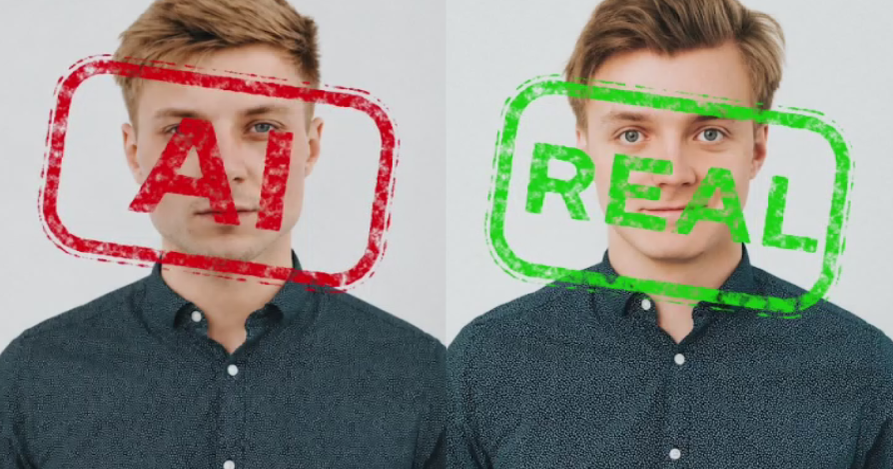
A recent survey found that Americans are struggling to distinguish real images from AI-generated deepfakes. A consumer investigator took an AI detection quiz and scored poorly before learning what to look for.
Imagine you're trying to spot a fake photo. You might look for things like distorted fingers or unnatural eyes, but those signs are getting harder to find. Now, experts recommend looking at facial features, like the shape of someone's face or the way their hair looks. It's like trying to spot a tiny flaw in a picture.
Analysis
A $60B Vote of Confidence
The recent survey by Veriff, an online identity verification tool, found that Americans' ability to distinguish real images from AI-generated deepfakes was about as accurate as a coin flip. This is a concerning trend, especially given the increasing use of deepfakes in scams and other malicious activities. The survey's findings are consistent with what Veriff has seen when testing the public, with people often guessing whether an image or video is real or fake.
Why Cursor?
Experts recommend using AI-powered detection tools or specialized verification apps to help determine whether an image or video is authentic rather than relying solely on what appears on screen. This is because the telltale signs people once relied on, such as distorted fingers or unnatural eyes, have largely disappeared as AI technology has improved. Instead, experts recommend closely examining facial features for subtle inconsistencies, unusual texture changes, and unnatural patterns.
The Road Ahead
The experience underscored how difficult it has become to rely on visual cues alone. Experts recommend using AI-powered detection tools or specialized verification apps to help determine whether an image or video is authentic rather than relying solely on what appears on screen. This is a crucial step in preventing the misuse of AI and protecting individuals from scams and other malicious activities.
Key points
- A recent survey found that Americans' ability to distinguish real images from AI-generated deepfakes was about as accurate as a coin flip.
- Experts recommend using AI-powered detection tools or specialized verification apps to help determine whether an image or video is authentic.
- The telltale signs people once relied on, such as distorted fingers or unnatural eyes, have largely disappeared as AI technology has improved.
- Experts recommend closely examining facial features for subtle inconsistencies, unusual texture changes, and unnatural patterns.
The development of AI-powered detection tools and specialized verification apps could help improve the accuracy of identifying deepfakes. Additionally, increased awareness and education about the risks of deepfakes could lead to a decrease in their use in scams and other malicious activities.
The increasing use of deepfakes in scams and other malicious activities could lead to a significant increase in financial losses and other harm to individuals. Furthermore, the difficulty in identifying deepfakes could lead to a decrease in trust in online content and a increase in anxiety and stress.