Car Costs: Bavaria Has the Cheapest Fuel
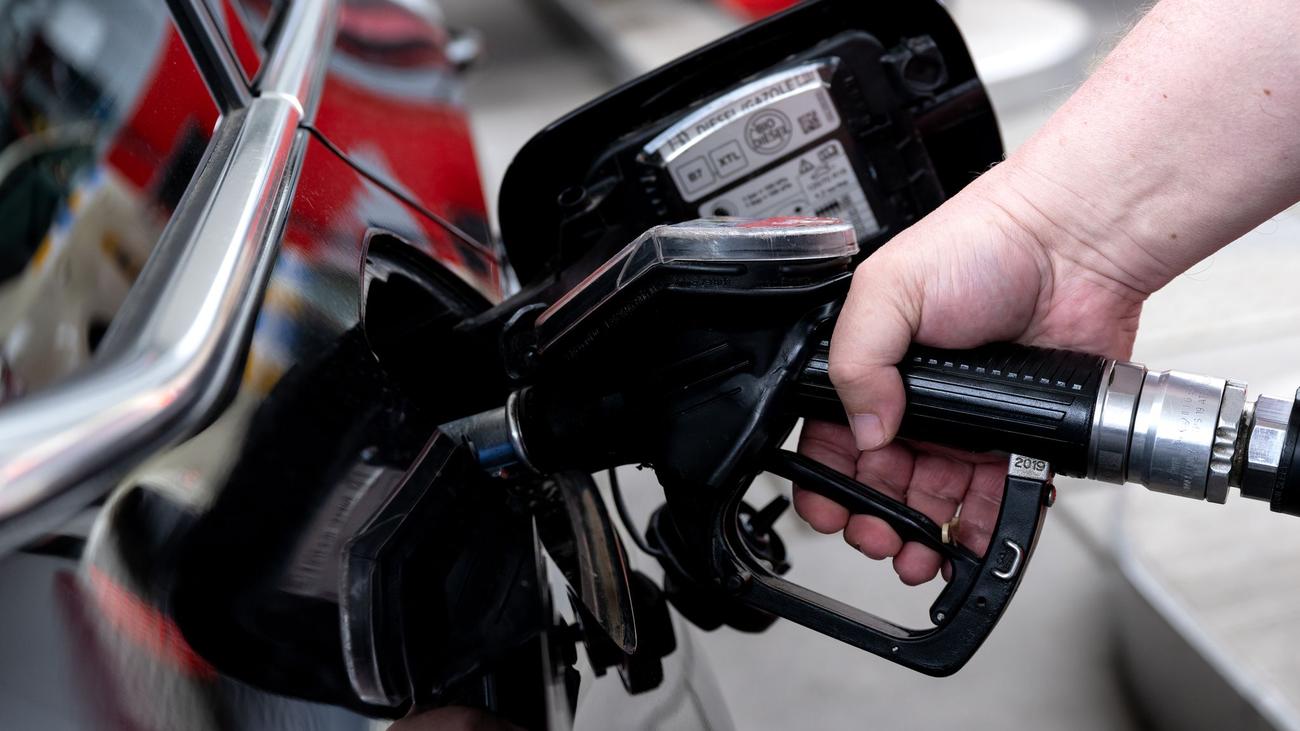
Bavaria currently offers the most affordable fuel prices in Germany, leading for Super E5 gasoline and sharing the cheapest spot for E10 and diesel with other states like Berlin and Saarland.
Intelligence analysis by Gemini 2.5 Flash
A recent analysis by the Tankerkönig fuel price portal reveals significant regional disparities in German fuel costs, with Bavaria consistently ranking among the cheapest states for various fuel types, while others like Saxony-Anhalt and Bremen face higher prices. The report highlights the use of median prices for more accurate comparisons.
Imagine you're buying candy, and some shops sell it cheaper than others. Right now, if you're buying gas for a car in Germany, the shops in Bavaria are often the cheapest, especially for one type called Super E5. Other places like Saxony-Anhalt and Bremen have more expensive candy, or in this case, gas.
Analysis
Regional Fuel Price Disparities
The latest data from the Tankerkönig fuel price portal reveals a clear geographical divide in Germany's fuel costs, with Bavaria consistently emerging as the most economical state for motorists. Specifically, Bavaria holds the sole distinction for the cheapest Super E5 gasoline, being a notable 8 cents per liter cheaper than states like Saxony-Anhalt and Bremen. This significant difference underscores how localized market conditions, competition among filling stations, and potentially regional tax structures or logistical costs can create substantial variations in consumer expenses across the federal states. For E10 gasoline, Bavaria shares its top spot for affordability with Berlin, while for diesel, it is tied with Saarland, both offering prices 7 cents lower than the more expensive regions such as Bremen, North Rhine-Westphalia, and Hesse.
These regional discrepancies are not minor fluctuations but represent tangible differences in daily living costs for millions of Germans. While Bavaria, Baden-Württemberg, Mecklenburg-Vorpommern, Berlin, Saarland, and Brandenburg generally enjoy lower prices across various fuel types, states like Saxony, Thuringia, and Hesse frequently find themselves at the higher end of the price spectrum. The article emphasizes that even within these states, prices can vary significantly based on specific locations, individual gas stations, and even the time of day, highlighting the dynamic and fragmented nature of the German fuel market. This variability means that a driver's fuel expenditure can be heavily influenced by their residential location and their awareness of local pricing.
The Median vs. Average Methodology
A crucial aspect of the Tankerkönig analysis, as highlighted in the article, is its use of the median price rather than the average for regional comparisons. This methodological choice is significant because it offers a more robust and representative picture of typical fuel costs. The article provides a clear example: for a series of numbers like 1, 2, 3, 4, 40, the average would be 10, heavily skewed by the outlier (40). In contrast, the median, which is the middle value (3), more accurately reflects the central tendency of the data.
By employing the median, Tankerkönig's data becomes less susceptible to distortion from extreme individual prices, such as a single very expensive or very cheap gas station in a particular region. This approach provides a more reliable basis for comparing the general affordability of fuel across different federal states. While direct comparisons between analyses using different methodologies remain problematic, the consistency of using the median within Tankerkönig's system allows for credible statements about price differences within its own framework. This transparency in methodology adds credibility to the reported findings and helps consumers understand the basis of the price comparisons.
Implications for German Consumers
The findings have direct and practical implications for German consumers, particularly those who frequently travel or live near state borders. For residents in Bavaria and other cheaper states, the lower fuel costs translate into direct savings, which can be particularly impactful given the generally high cost of living in Germany. These savings can accumulate over time, potentially influencing household budgets and discretionary spending. Conversely, motorists in states with consistently higher prices face increased transportation expenses, which can strain personal finances and potentially impact local economic activity if businesses or individuals opt to reduce travel.
The article implicitly suggests that consumers could benefit from being more strategic about where and when they refuel. Awareness of regional price differences, coupled with the knowledge that prices can fluctuate by location and time, empowers drivers to make more informed decisions. While the article does not explicitly recommend "fuel tourism," the data certainly provides a rationale for drivers to consider crossing state lines if significant savings are available. Ultimately, this report serves as a valuable resource for German drivers, offering insights into the complex landscape of domestic fuel pricing and highlighting the importance of regional market dynamics in determining everyday costs.
Key points
- Bavaria currently offers the cheapest Super E5 gasoline in Germany.
- For E10 gasoline, Bavaria shares the lowest price with Berlin.
- Diesel prices are lowest in Bavaria and Saarland.
- Saxony-Anhalt, Bremen, and Hesse are among the most expensive states for various fuel types.
- The Tankerkönig portal uses the median price for regional comparisons, which is less susceptible to extreme values than the average.
For residents and travelers in Bavaria, these lower fuel prices translate directly into reduced transportation costs, potentially freeing up household budgets for other expenditures or making road trips more economical. This regional competitiveness could also encourage other states to review their local market dynamics.
The significant price disparities across German states mean that drivers in regions like Saxony-Anhalt, Bremen, and Hesse consistently pay more for fuel, increasing their cost of living and potentially impacting local economies. These differences could also lead to "fuel tourism" where drivers cross state lines, potentially causing congestion or uneven demand.