Car industry pressing EU for further delay to Brexit EV tariffs
EU and UK carmakers want Brussels to delay Brexit EV tariffs again because battery supply chains still cannot meet the rules. They warn the current regime could punish car sales and investment.
Intelligence analysis by GPT-5.4 Mini
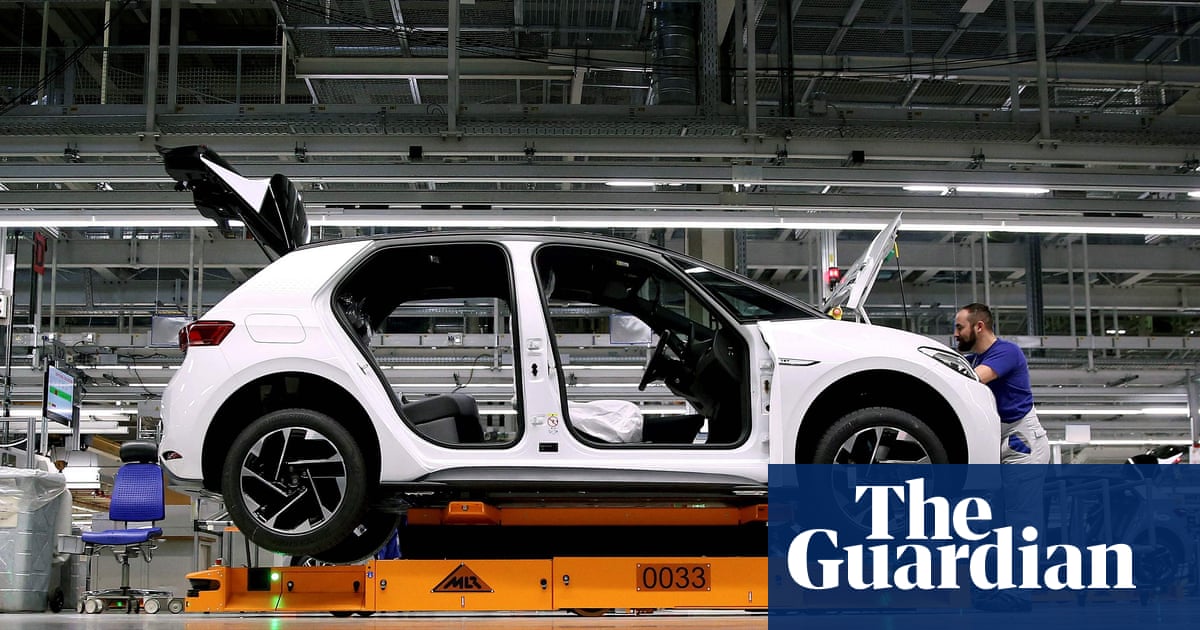
The auto industry says the Brexit trade deal’s battery-content rules will still be too hard to meet by 1 January 2027, so it is pressing the European Commission for another suspension of tariffs on electric vehicles. The argument is that battery production in Europe is moving too slowly and remains more expensive than in China.
Car makers are asking for more time before a new rule starts that could make electric cars more expensive to sell between the EU and UK. It is like being asked to finish a big homework project, but the tools and ingredients still are not ready.
Analysis
What the industry wants
EU and UK carmakers are urging the European Commission to change the Brexit trade arrangement again and suspend tariffs on electric vehicle imports for a second time. The concern is that the current rules of origin, which are meant to encourage local battery production, still will not be met by the 1 January 2027 deadline.
Under the 2020 Brexit deal, a car needs 55% of its value to be made in Europe by 2027 to avoid tariffs. The battery requirements are even stricter: 70% of the battery pack and 65% of the battery cell would also need to be made in Europe. Industry groups say those targets are still out of reach.
The European Automobile Manufacturers’ Association says progress has been far slower than expected. Jonathan O’Riordan said the industry had once forecast that 60% of batteries across vehicle segments would be made in Europe by 2027, but now estimates that “just under 20%” will be made in the EU by then. UK levels are higher, but still below target.
Why the targets are proving hard
The article says battery production has been slowed by multiple factors, including Covid disruption, semiconductor shortages linked to Russia’s invasion of Ukraine, China’s grip on critical raw materials, and high manufacturing costs. O’Riordan said battery production in Europe is still about 30% more expensive than in China.
UK manufacturers group SMMT says the current requirements are based on assumptions that have not materialised, despite major investment. Its chief executive, Mike Hawes, argued that the UK and EU should find a pragmatic solution that avoids tariffs on EVs that consumers are being encouraged to buy.
The political backdrop
The European Commission said talks could continue within ongoing EU-UK negotiations and that it is in contact with EV-sector stakeholders to assess readiness. The dispute comes as European leaders prepare to meet on 18 June, with China also on the agenda amid wider worries about manufacturing pressure and competition.
Key points
- EU and UK carmakers want the European Commission to delay Brexit EV tariffs again.
- Industry groups say battery supply chains will not meet the 1 January 2027 rules of origin.
- ACEA says it now expects only just under 20% of batteries to be made in the EU by that date.
- Manufacturers say European battery production remains slower and more expensive than in China.
- The Commission says discussions can continue through ongoing EU-UK negotiations.
If the Commission agrees to another delay, carmakers could avoid new tariffs while battery factories catch up. That would give EU and UK producers more time to build local supply chains without suddenly raising prices for electric cars.
If no delay is granted, some EV sales could face tariffs because many batteries still will not meet the rules of origin. That could add cost pressure to manufacturers already dealing with expensive battery production and stronger Chinese competition.