Carly Simon reveals Parkinson's diagnosis
Singer-songwriter Carly Simon, 83, has revealed her Parkinson's diagnosis, saying she continues to work on a new album due in August 2026.
Intelligence analysis by Llama
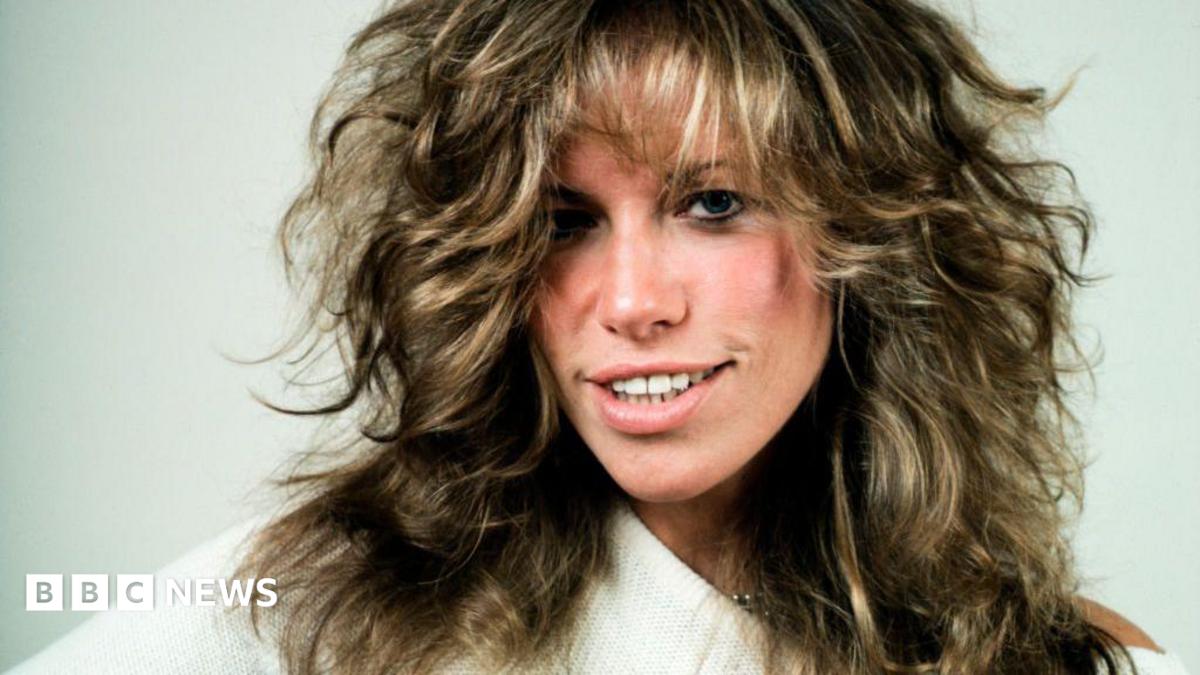
Carly Simon, the 83-year-old singer-songwriter behind 'You're So Vain,' has disclosed a Parkinson's diagnosis. She describes fatigue, anxiety, and apathy but insists she is still writing and recording, with a new album 'Comes In Waves' due in August 2026.
Carly Simon, the singer who wrote 'You're So Vain' a long time ago, has told her fans she has a brain illness called Parkinson's that makes moving and feeling things harder some days. Even though it's tough, she's still writing songs and has a brand-new album coming out soon.
Analysis
A Reveal Driven by Concerned Fans
Simon chose to make her condition public only after receiving letters from fans "kindly wondering about my relative silence," according to the BBC. That timing matters. For years she had kept her diagnosis private while continuing to work, and the decision to speak now suggests a desire to reset the narrative on her own terms rather than let speculation fill the gap. Her statement is characteristically wry, noting the irony of writing 'You're So Vain' while fretting over a facial surgery that left her "more self-conscious about being seen in public." The reveal is also a signal to the music industry and her fanbase that, despite her health, the next chapter is intentional rather than reluctant.
A Diagnosis Hidden Behind Other Symptoms
The path to Simon's diagnosis was indirect. According to the article, her problems began with arthritis in both knees and one hip, and three replacement surgeries failed to restore her mobility. She described being unable to rise from low chairs without assistance and feeling "swallowed" by overstuffed furniture, a vivid image that captures how mobility loss creeps into daily life. Only after an extensive evaluation at the Mayo Clinic was Parkinson's identified, illustrating how the disease is frequently masked or misattributed to aging and orthopedic issues. Once named, the condition revealed its broader footprint: medication and treatment for the motor symptoms, alongside episodes of anxiety, depression, and what Simon calls "apathy," a flattening of motivation that she distinguishes from sadness or laziness, likening it to a brain that has "misplaced the guest list" for life.
Still Working, With a New Album on the Way
Far from a retirement announcement, Simon's statement is paired with the rollout of 'Comes In Waves,' her first album in years, due in August 2026, with lead single 'Howl' released last month. The album's stated themes, "love, memory, family, self-reckoning, and forgiveness," align with the introspective turn her diagnosis appears to have sharpened. Her framing is unflinching: she rejects the idea of Parkinson's as a "gift or a blessing," calling it "difficult, frustrating, and sometimes frightening," yet closes with the affirmation that she is "still very much here." That balance, neither triumphant nor defeated, is likely to resonate with the millions of people living with the condition worldwide, including the roughly 153,000 in the UK cited in the article.
Key points
- Carly Simon, 83, has disclosed a Parkinson's diagnosis, calling the condition 'difficult, frustrating, and sometimes frightening.'
- She was diagnosed at the Mayo Clinic after three joint surgeries failed to address worsening mobility problems.
- Simon also recently underwent surgery to remove a cancerous facial growth, which she said made her more self-conscious in public.
- Her new album 'Comes In Waves' is due in August 2026, with lead single 'Howl' already released.
- Parkinson's is described in the article as the world's fastest-growing neurological condition, affecting an estimated 153,000 people in the UK.
Simon's continued creative output, including a new album slated for August 2026, suggests that Parkinson's does not necessarily end a musical career. Her willingness to speak openly may also help reduce stigma and encourage others to seek diagnosis and support earlier.
Parkinson's is progressive and, as Simon describes, brings unpredictable fatigue, anxiety, and apathy. Her candid account underscores the realistic risk that mobility and creative capacity will diminish over time, and that public figures may face added pressure to perform despite declining health.