Cecilia Vega of 60 Minutes says she felt pressure from CBS to add ‘political bias’
Cecilia Vega, a former 60 Minutes correspondent, claims she felt pressured by CBS News executives to incorporate 'political bias' into segments for the broadcast program.
Intelligence analysis by Llama
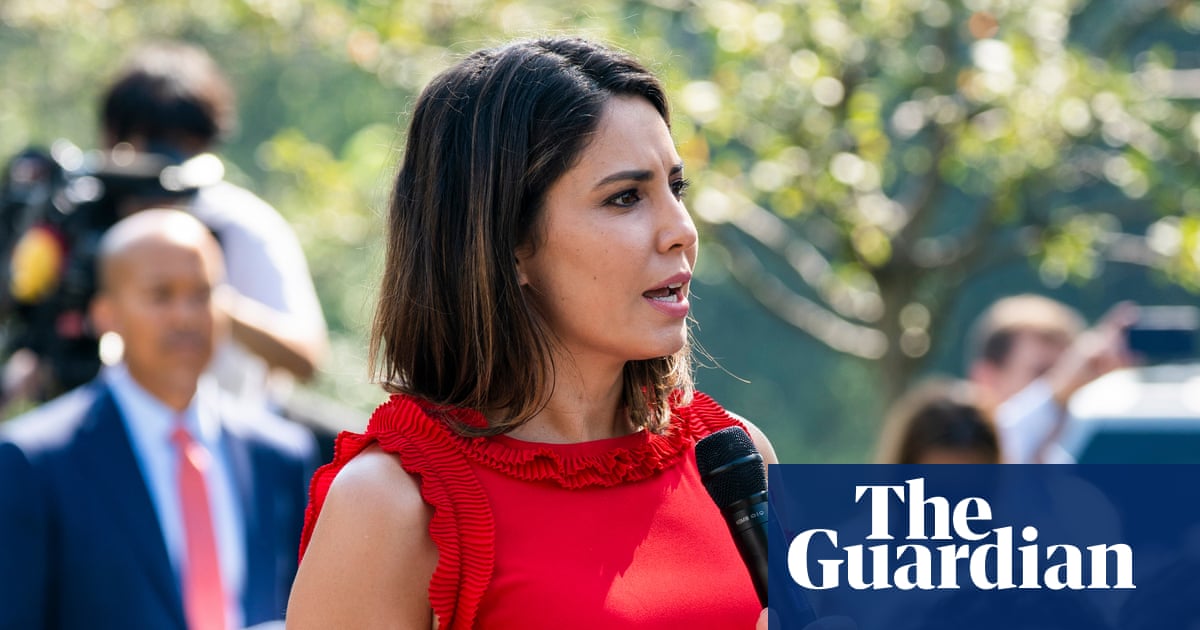
Cecilia Vega, a former 60 Minutes correspondent, claims she felt pressured by CBS News executives to incorporate 'political bias' into segments for the broadcast program. She made the remarks during an onstage interview with John Quiñones at the National Association of Hispanic Journalists' annual conference in New Orleans.
Cecilia Vega, a former 60 Minutes correspondent, claims she was pressured by CBS News executives to add 'political bias' to segments. This means they wanted her to report on things that might not be entirely true or fair, which is not good for journalism.
Analysis
A Threat to Journalism Integrity
Cecilia Vega's allegations of pressure to add 'political bias' to 60 Minutes segments are a stark reminder of the challenges facing journalism today. The former correspondent's claims of censorship and self-driven efforts to insert political bias into stories are a threat to the very fabric of journalism. Vega's experience is not an isolated incident; it is part of a broader trend of media outlets prioritizing politics over journalism.
The Role of Bari Weiss
Bari Weiss, the editor-in-chief of CBS News, has been at the center of controversy since her appointment. Weiss's background in media criticism and her critiques of liberal institutions have raised concerns about her ability to lead a news organization. Her decision to delay a segment about the federal government deporting hundreds of Venezuelans to a notorious El Salvador prison, citing a need for further reporting, has been seen as a political move. The segment's correspondent, Sharyn Alfonsi, called the decision 'a political one.'
The Impact on 60 Minutes
The wave of firings at 60 Minutes since Weiss assumed the network mantle has been a significant blow to the show's reputation. Veteran correspondent Scott Pelley blasted the cuts at the network, accusing Weiss of 'murdering' the show. 'She does not love this place. She was brought in to kill it and is doing exactly that,' he said. The tension between Weiss and 60 Minutes' staffers has been palpable, with some questioning her commitment to the show's journalistic integrity.
Key points
- Cecilia Vega claims she felt pressured by CBS News executives to add 'political bias' to 60 Minutes segments.
- Vega made the remarks during an onstage interview with John Quiñones at the National Association of Hispanic Journalists' annual conference in New Orleans.
- Bari Weiss, the editor-in-chief of CBS News, has been at the center of controversy since her appointment.
- Weiss's decision to delay a segment about the federal government deporting hundreds of Venezuelans to a notorious El Salvador prison has been seen as a political move.
- The wave of firings at 60 Minutes since Weiss assumed the network mantle has been a significant blow to the show's reputation.
If Cecilia Vega's claims are investigated and addressed, it could lead to a more transparent and accountable media environment, ultimately benefiting journalism and democracy.
If the pressure to add 'political bias' continues, it could lead to a decline in trust in media outlets and a further erosion of journalism's integrity, ultimately harming democracy.