Central Italy's "Condominium" Theaters Recognized as UNESCO Heritage
Eighteen historic "condominium" theaters across Italy's Marche, Emilia-Romagna, and Umbria regions have been designated UNESCO World Heritage sites, celebrating their unique community-funded origins.
Intelligence analysis by Gemini 2.5 Flash
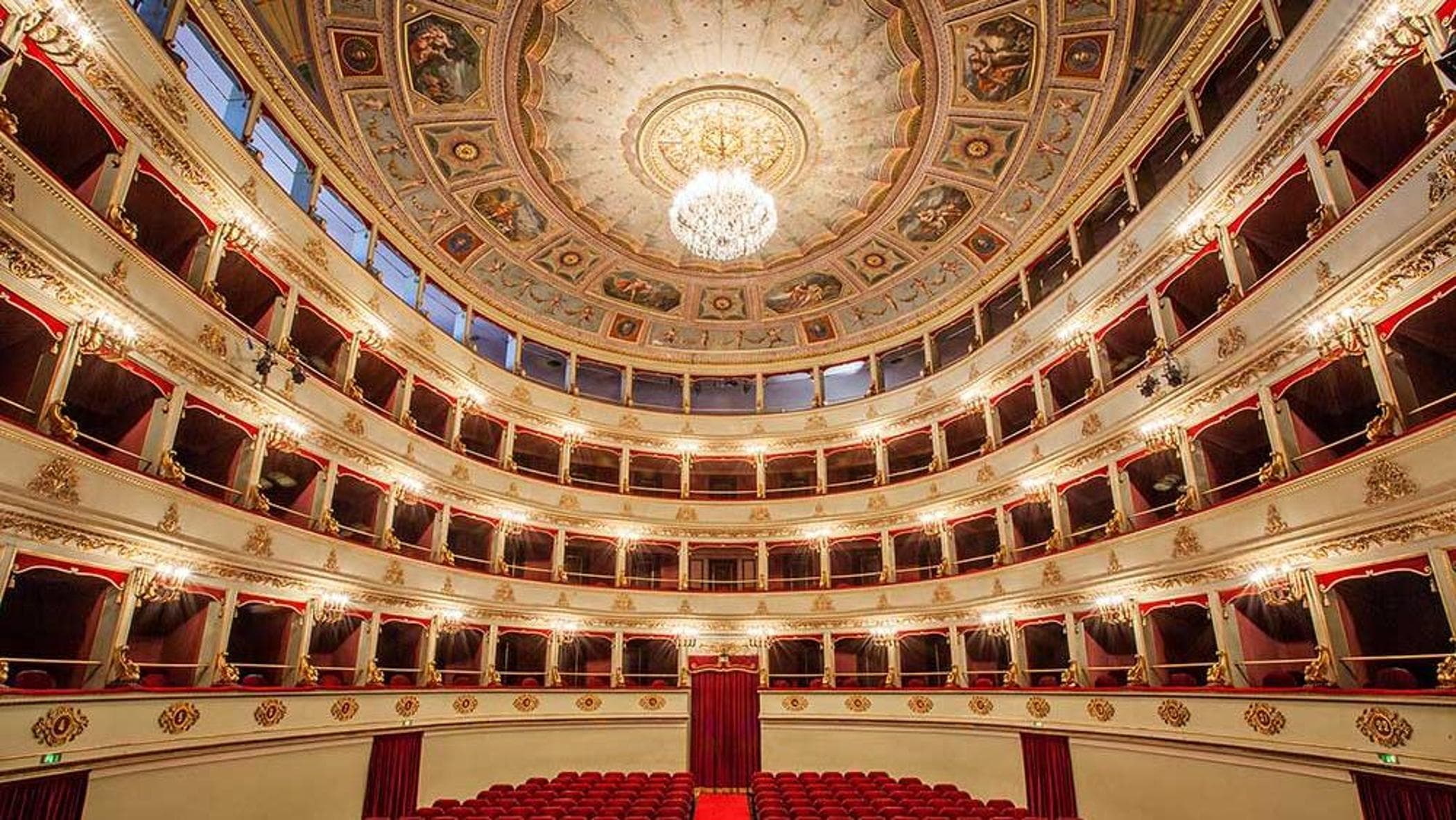
The UNESCO World Heritage Committee, meeting in Busan, South Korea, has added 18 Italian "condominium" theaters to its prestigious list. These architectural gems, built between the 18th and 19th centuries through community taxation and co-ownership, are lauded for their role as vital cultural hubs and symbols of social cohesion in central Italian towns.
Imagine a long, long time ago, people in small Italian towns really loved plays and music. But there were no big theaters like today. So, instead of waiting for someone else to build one, everyone in the town put a little bit of their money together, like sharing the cost of a big toy. They built beautiful theaters, and everyone owned a piece of it! Now, a big group called UNESCO, which protects special places around the world, has said these 18 old theaters are super important because they show how people worked together to make art happen.
Analysis
A Unique Model of Cultural Ownership
The designation of 18 "condominium" theaters in central Italy as UNESCO World Heritage sites shines a spotlight on a remarkable and distinctly Italian approach to cultural infrastructure. Unlike state-funded or privately owned venues, these theaters were built and sustained by local communities who collectively taxed themselves to fund their construction and subsequently became co-owners. This model, prevalent between the 18th and 19th centuries across the Marche, Emilia-Romagna, and Umbria regions, reflects a deep-seated commitment to the arts and a strong sense of civic participation.
This communal ownership fostered a direct connection between the theaters and the people they served, ensuring that cultural enjoyment was accessible and integral to local identity. Minister Alessandro Giuli emphasized this, stating the recognition "celebrates the exceptional universal value of these architectural jewels, which have been, for over two centuries, vital centers of cultural enjoyment, identity, and social cohesion for the communities that preserve them." This historical precedent of shared responsibility for cultural assets offers valuable insights into sustainable community development and the enduring power of collective action.
Preserving Identity and Cohesion
The UNESCO recognition is not merely an acknowledgment of architectural beauty but a celebration of the social fabric these theaters represent. They served as crucial venues for opera, classical music, and live performances, bringing high culture to small towns and villages. This accessibility was revolutionary for its time, democratizing artistic experiences that might otherwise have been confined to larger urban centers or the elite. Lucia Chiatti, general director of the Pergolesi Spontini Foundation, expressed the profound pride and emotion surrounding the decision, noting that the journey to recognition, which began in 2020, served as a stimulus to "rediscover the value of the asset and our activity."
The theaters, including prominent examples like the Pergolesi Theater in Jesi and the Ventidio Basso in Ascoli Piceno, are more than just buildings; they are living testaments to a heritage of community engagement and cultural vitality. Their continued operation as centers for the performing arts reinforces their role in maintaining local identity and fostering social cohesion. This designation ensures their preservation for future generations, allowing them to continue serving as vibrant cultural hubs and inspiring similar community-led initiatives worldwide.
Italy's Growing Heritage Footprint
With this new addition, Italy now boasts 62 sites on the UNESCO World Heritage list, further solidifying its position as a global leader in cultural heritage. This achievement underscores the nation's unparalleled historical and artistic wealth, from ancient Roman ruins to Renaissance masterpieces and unique social phenomena like the "condominium" theaters. The successful candidacy, promoted by the President of the Marche Region, Francesco Acquaroli, in collaboration with the Ministry of Culture, highlights effective collaboration between regional and national bodies in advocating for Italy's cultural treasures on the international stage.
The ongoing commitment to identifying and protecting such sites is crucial for global cultural diversity. Each recognition brings increased visibility, potential for tourism, and resources for conservation, ensuring these irreplaceable assets endure. The "condominium" theaters, with their story of grassroots cultural investment, add a distinctive narrative to Italy's already diverse UNESCO portfolio, showcasing the ingenuity and passion of its people in preserving and promoting the arts.
Key points
- Eighteen "condominium" theaters in central Italy have been designated UNESCO World Heritage sites.
- These theaters, located in Marche, Emilia-Romagna, and Umbria, were built between the 18th and 19th centuries through community taxation and co-ownership.
- The recognition celebrates their exceptional universal value as vital centers of cultural enjoyment, identity, and social cohesion.
- The candidacy was promoted by the Marche Region and the Ministry of Culture, adding to Italy's 62 UNESCO sites.
- The theaters continue to host opera, classical music, and live performances, preserving a unique cultural heritage.
This UNESCO recognition will likely boost cultural tourism to the central Italian regions, bringing economic benefits to the communities that host these historic theaters. It also provides a strong incentive for further preservation efforts and could inspire new community-led cultural initiatives, ensuring these unique venues continue to thrive as centers of art and social life.