Ceuta: The Economic Reasons for a Migratory Crisis
The article attributes the migratory crisis in Ceuta to Morocco's deteriorating economic conditions, high unemployment, and inequality, particularly affecting its youth.
Intelligence analysis by Gemini 2.5 Flash
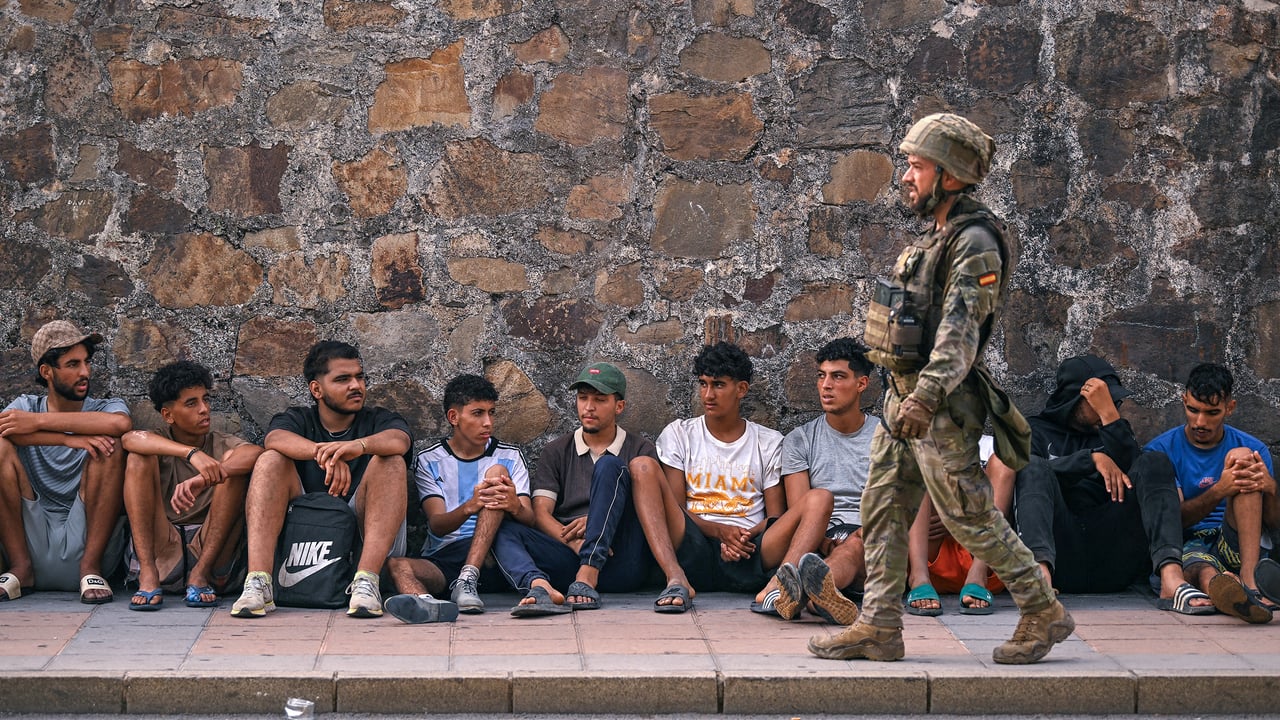
Recent migratory events in Ceuta highlight a "two-speed Morocco" where economic prosperity in some sectors contrasts sharply with widespread hardship, unemployment, and inequality among the youth, driving them to seek opportunities elsewhere despite the King's warnings.
Imagine Morocco is like a big house where some rooms are super fancy with new cars and fast trains, but other rooms, especially where young people live, are struggling with no jobs and unfair rules. This makes some people so desperate they try to cross a fence into a nearby Spanish town called Ceuta, hoping for a better life.
Analysis
The recent migratory events in Ceuta, as highlighted by Jeune Afrique, serve as a stark illustration of a profound economic dichotomy within Morocco, a phenomenon King Mohammed VI himself cautioned against in his 2025 Throne Speech. This "two-speed Morocco" describes a nation where pockets of advanced industrial development and world-class infrastructure, such as the automotive and aeronautical sectors and the Tanger Med port, coexist with widespread economic hardship for a significant portion of its population. The article points to a deteriorating economic situation for many Moroccans, particularly the youth, who face high unemployment rates and persistent inequalities. This disparity fuels a sense of disillusionment and desperation, pushing individuals to seek opportunities beyond their borders.
Morocco's Dual Economic Reality
Morocco's economic narrative is often presented through the lens of its modernizing sectors and ambitious infrastructure projects. The development of industries like automotive and aeronautics, alongside major logistical hubs such as Tanger Med, showcases a nation striving for global integration and economic advancement. However, this progress has not translated into equitable prosperity across all segments of society. The article implicitly suggests that the benefits of this economic growth are concentrated among a privileged few, exacerbated by public subsidies that disproportionately favor the wealthiest. This creates a stark contrast between the image of a prosperous, forward-looking Morocco and the lived reality of many citizens struggling to make ends meet.
Drivers of Discontent and Migration
The core of the migratory crisis, according to the analysis, lies in the deep-seated economic grievances experienced by a significant portion of the Moroccan populace. High unemployment, particularly among educated youth, is a critical factor, denying them pathways to stable livelihoods and social mobility. Compounding this is the issue of systemic inequality, where access to opportunities and resources remains unevenly distributed. The article's mention of public subsidies benefiting the affluent further underscores a perception of an unfair system, eroding trust and fostering resentment. These socio-economic pressures collectively create an environment where migration, even through perilous means, becomes a perceived viable option for those seeking to escape their deteriorating circumstances.
Implications for Regional Stability
The economic disparities and resulting migratory pressures have significant implications not only for Morocco but also for regional stability, particularly concerning its relationship with Spain and the broader European Union. The events in Ceuta highlight how internal socio-economic challenges can quickly spill over into international incidents, straining diplomatic ties and posing humanitarian challenges. A continued failure to address the root causes of unemployment and inequality risks perpetuating these migratory flows, placing ongoing pressure on border management and integration policies in Europe. Ultimately, the article suggests that sustainable solutions require a comprehensive approach to economic development that prioritizes inclusive growth and addresses the fundamental needs of all Moroccan citizens, especially its burgeoning youth population.
Key points
- Morocco faces a "two-speed" economy, with prosperity in some sectors contrasting with widespread economic hardship.
- Unemployment, inequality, and public subsidies favoring the wealthy contribute to the deteriorating situation for many Moroccans, especially youth.
- These economic grievances are identified as the root causes of the migratory crisis observed in Ceuta.
- King Mohammed VI had previously warned against this "two-speed Morocco" in his 2025 Throne Speech.
The continued deterioration of economic conditions for Moroccan youth could exacerbate social unrest and increase migratory flows, straining relations with European neighbors and potentially undermining Morocco's long-term development goals.

