CFTC Draws the Line Between Prediction Markets and Gambling in New Rules
CFTC issues two measures: a proposed rule expanding swap definition to include event contracts, and an interim final rule excluding casino-style gambling like sportsbooks and casino games.
Intelligence analysis by Qwen 2.5 (3B)
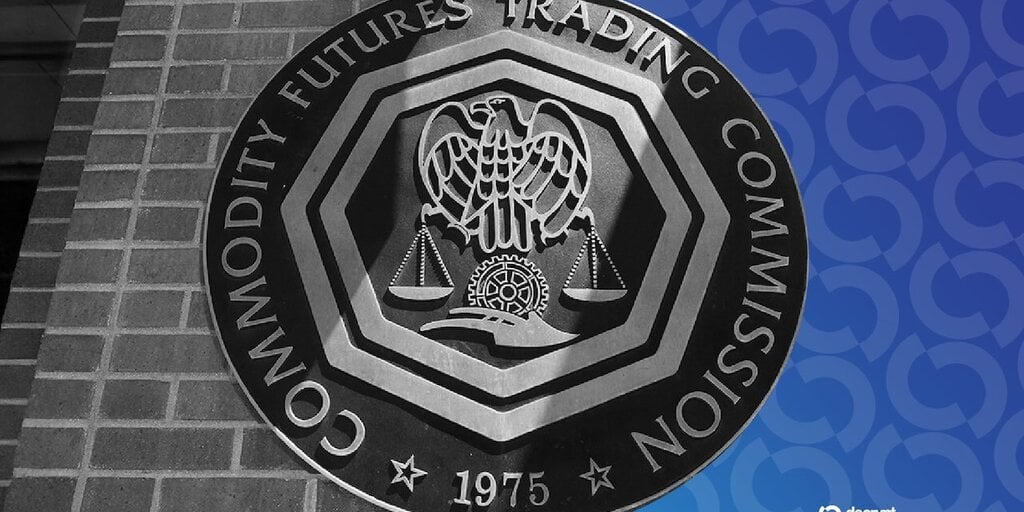
CFTC clarifies the regulatory status of prediction markets and gambling, formalizing proposals sent to the White House last month.
The CFTC is making rules to say what counts as gambling and what doesn't. They're saying things like sports bets and casino games are gambling, not derivatives, which means they're not regulated by the CFTC.
Analysis
{"heading_1":"CFTC's Proposed Rule on Event Contracts","paragraph_1":"The legal stakes for prediction markets are rising, with a court split over whether event contracts qualify as federally regulated swaps.","paragraph_2":"The CFTC's new rules could impact platforms like Kalshi and Polymarket, which are currently operating under uncertainty regarding their regulatory status.","paragraph_3":"The Supreme Court's attention has been drawn to the question of whether event contracts qualify as federally regulated swaps, potentially deciding the issue in the future.","heading_2":"CFTC's Interim Final Rule on Casino-Style Gambling","heading_3":"Legal Stakes and Future of Prediction Markets"}
Key points
- CFTC issues two measures: a proposed rule expanding swap definition to include event contracts, and an interim final rule excluding casino-style gambling.
- The proposed rule would make event contracts, such as those tied to sports, politics, cultural events, and weather, fall under the CFTC's regulatory remit.
- The interim final rule would exclude casino-style gambling products, including sportsbook wagers and casino games, from the swap definition.
The new rules could help predict markets by clarifying what is and isn't regulated, potentially reducing uncertainty for platforms like Kalshi and Polymarket.
The new rules could lead to platforms like Kalshi and Polymarket being shut down or forced to change their business models, as they may no longer be considered derivatives.