Chad Announces Its Withdrawal from the International Criminal Court
Chad has announced its withdrawal from the International Criminal Court, citing the institution's "limited and variable geometry" effectiveness, particularly its focus on African cases. This decision follows a request from the United States and amidst accusations of Chad'…
Intelligence analysis by Gemini 2.5 Flash
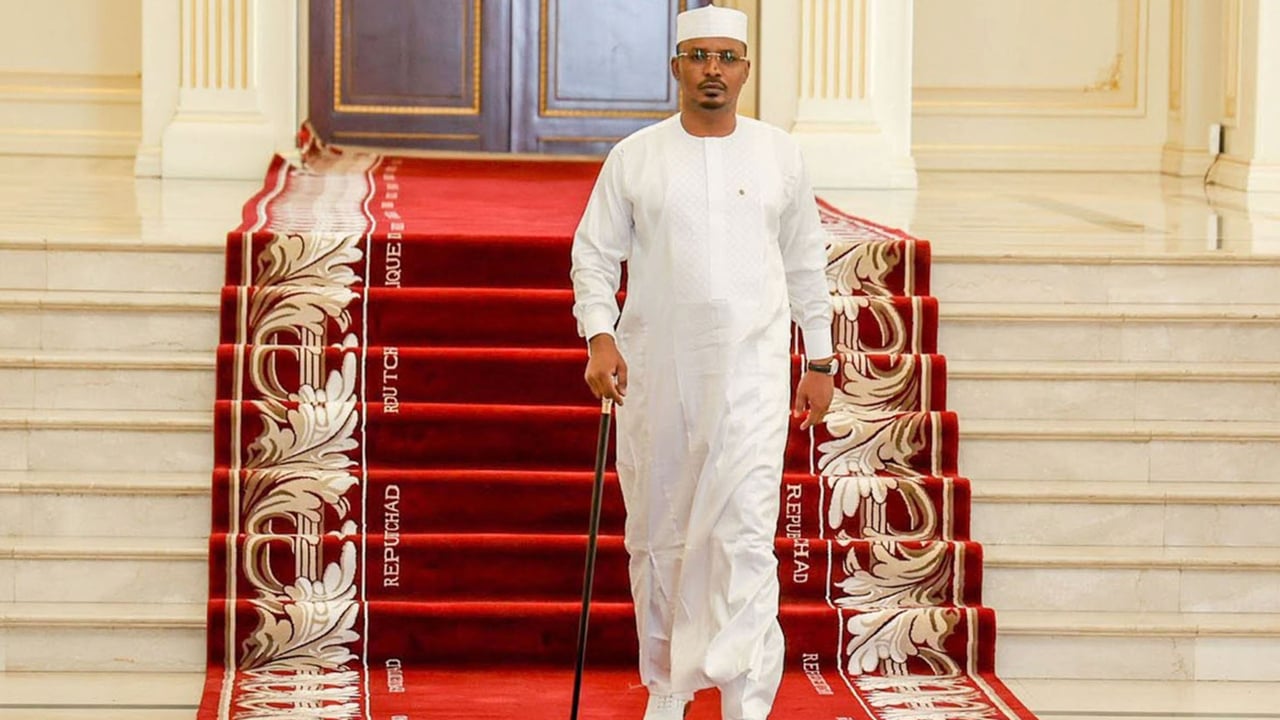
N'Djamena's decision to exit the ICC stems from a critical review of the court's operations since 2002, which Chad perceives as disproportionately targeting African nations while showing limited progress elsewhere. The move was reportedly influenced by a US request and occurs as Chad faces allegations of supporting a faction in the Sudanese civil war.
Imagine a global referee for countries, called the ICC, that tries to make sure leaders follow rules and don't hurt their people. Chad, a country in Africa, decided to quit this referee club. They feel the referee mostly calls fouls on African teams and not enough on others, making it seem unfair. Plus, another big country, the United States, asked Chad to leave, and Chad is also being accused of helping one side in a fight in a neighboring country, Sudan.
Analysis
Chad's Critique of the ICC's Focus
Chad's government, through its spokesperson, articulated a strong critique of the International Criminal Court's operational bias, specifically highlighting its "limited and variable geometry" effectiveness. The official statement underscored that out of thirteen investigations initiated by the ICC since 2002, nine have targeted African states, while only four were opened in other global regions, reportedly without significant progress. This perceived imbalance suggests a disproportionate focus on the African continent, leading N'Djamena to question the court's impartiality and universal application of justice. The statement further noted that six of the seven individuals currently detained by the ICC are linked to African situations, reinforcing Chad's argument about the court's geographical concentration. This long-standing grievance among some African nations regarding the ICC's perceived targeting of the continent appears to be a primary driver for Chad's decision.
US Influence and Regional Dynamics
A significant factor in Chad's withdrawal decision appears to be direct pressure from the United States. A communiqué from the Chadian Minister of Foreign Affairs revealed that the US Assistant Secretary of State for African Affairs had urged Chad to reconsider its adherence to the Rome Statute during a recent phone call. The US reportedly expressed concerns about the ICC's functioning and encouraged Chad to re-examine its membership. This intervention underscores the complex geopolitical landscape surrounding international legal institutions, where powerful nations can exert influence over the participation of other states. The timing of this US request, coupled with Chad's subsequent announcement, suggests a coordinated diplomatic effort. This development could signal a broader strategy by the US to reshape the ICC's influence or to align certain African nations with its own foreign policy objectives regarding international justice.
Allegations of Involvement in the Sudanese Conflict
Chad's withdrawal from the ICC is also set against a backdrop of serious allegations regarding its involvement in the ongoing Sudanese conflict. National and international organizations have repeatedly accused N'Djamena of providing assistance to General Mohamed Hamdane Daglo, also known as Hemetti, the leader of the Rapid Support Forces (RSF) paramilitaries. These accusations include complicity in human rights violations, arbitrary arrests, and the suppression of fundamental freedoms within the context of the Sudanese civil war. While the article does not explicitly state that Chad's withdrawal is a direct response to potential ICC scrutiny over these allegations, the timing strongly suggests a connection. By withdrawing, Chad might be seeking to preempt any future investigations or legal actions by the ICC related to its alleged role in the Sudanese conflict, thereby shielding its officials from potential prosecution. This move could be interpreted as an attempt to avoid accountability for actions taken in a volatile regional context.
Key points
- Chad announced its withdrawal from the International Criminal Court (ICC) on July 27.
- The decision is based on Chad's assessment of the ICC's "limited and variable geometry" effectiveness, noting its disproportionate focus on African cases.
- Nine of the thirteen ICC investigations since 2002 have concerned African states, with six of seven current detainees being from African situations.
- The withdrawal follows a request from the United States, which expressed concerns about the ICC's functioning and urged Chad to reconsider its membership.
- Chad's decision comes amid accusations from national and international organizations of its alleged involvement in the Sudanese conflict, including supporting the Rapid Support Forces (RSF) and human rights violations.
Chad's withdrawal could further weaken the ICC's authority and reach, particularly in Africa, potentially emboldening other nations to exit and undermining efforts to hold leaders accountable for grave crimes. It might also signal a reduced commitment to international justice, especially if the move is perceived as an attempt to evade scrutiny over alleged involvement in regional conflicts.