Charles Russon (Absa): 'For banks, reaching small businesses requires thinking differently'
Charles Russon, Absa's regional director for Africa, urges African banks to prioritize financing the real economy, particularly small businesses, over excessive investment in government bonds, highlighting the often-underestimated risks of sovereign debt.
Intelligence analysis by Gemini 2.5 Flash
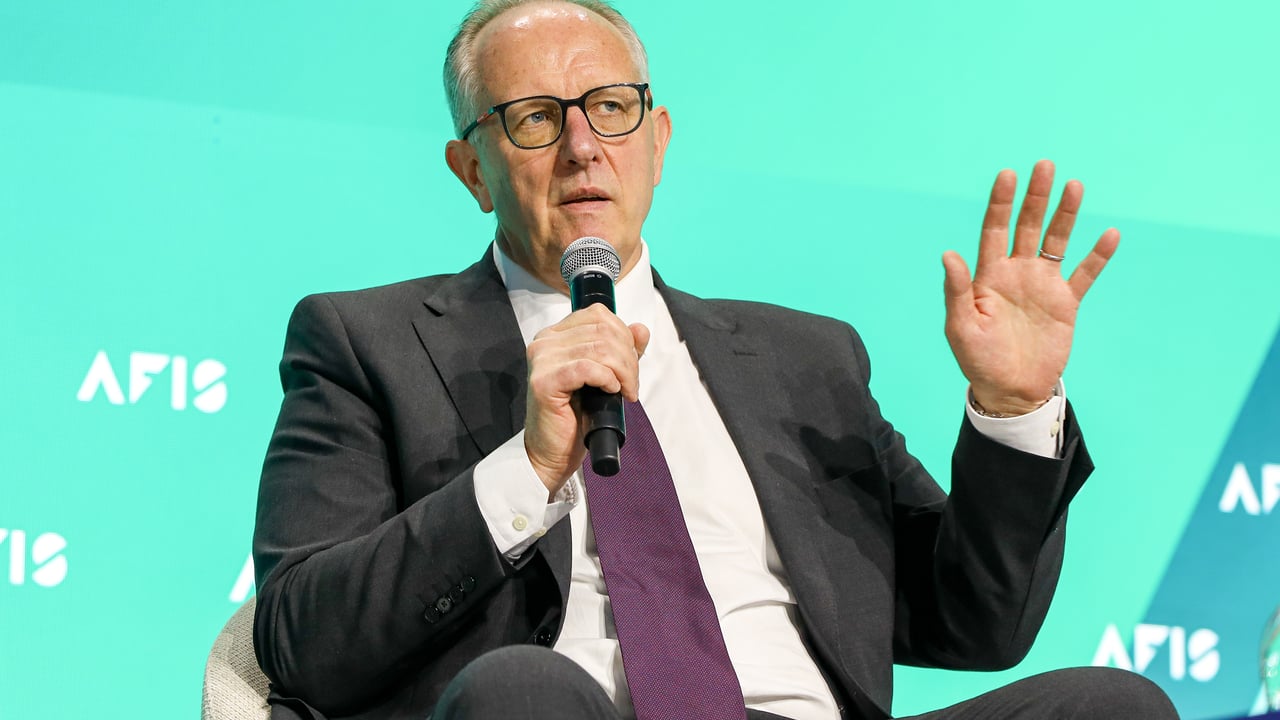
At the Africa Financial Summit, Absa's regional director for Africa, Charles Russon, criticized African banks for their over-reliance on sovereign debt, advocating instead for a strategic shift towards funding the real economy and small enterprises, which he believes requires a different approach to banking.
Banks in Africa often put their extra money into government IOUs instead of lending it to small businesses. A man named Charles from a big bank called Absa says this needs to change. He thinks banks should help small shops and startups grow, like planting seeds for a garden, because it helps everyone more than just buying government promises, and those promises aren't always super safe either.
Analysis
Charles Russon, the regional director for Africa at the banking giant Absa, has issued a significant call to action for the continent's financial institutions. His core message revolves around a fundamental re-evaluation of banking practices, urging a shift away from what he describes as the 'easy solution' of sovereign investment. Russon contends that African banks are currently allocating an excessive portion of their surplus liquidity into government bonds, a practice that, while seemingly safe, diverts crucial capital from more productive sectors of the economy. He explicitly warns that sovereign debt is 'far from risk-free,' challenging a common perception within the financial community.
Charles Russon
Charles Russon's perspective is rooted in a deep understanding of the African financial landscape. He argues that the prevailing strategy of parking substantial treasury surpluses in government obligations leads to suboptimal loan-to-deposit ratios in many markets. This imbalance indicates that banks are not adequately fulfilling their role in intermediating capital for economic growth. His advocacy for 'thinking differently' underscores the need for innovative approaches to risk assessment, product development, and outreach, specifically tailored to the unique needs and challenges of small and medium-sized enterprises (SMEs) across Africa. Russon's insights highlight a critical bottleneck in the continent's development trajectory, where access to finance remains a significant barrier for many nascent and growing businesses.
Absa
As a prominent banking group with a significant footprint across Africa, Absa's stance, articulated through Charles Russon, carries considerable weight. The group's regional director's comments reflect a strategic vision that extends beyond traditional banking models, emphasizing a commitment to fostering sustainable economic development. Absa's internal strategies likely involve exploring new mechanisms for SME financing, leveraging technology, and developing partnerships to mitigate the perceived risks associated with lending to smaller entities. This public statement from a senior Absa executive signals a potential shift in focus for major financial players, moving towards a more active role in stimulating the 'real economy' rather than passively investing in government securities. It suggests a recognition that long-term banking success in Africa is intrinsically linked to the prosperity of its diverse business ecosystem.
Africa Financial Summit
The platform for Russon's remarks, the Africa Financial Summit (AFIS) held in Luanda, further amplifies the importance of his message. This gathering of key financial stakeholders provides a crucial forum for discussing the continent's economic future and shaping policy directions. By presenting his vision at such a high-profile event, Russon aimed to influence a broad audience of bankers, policymakers, and investors. The discussion at AFIS around the allocation of bank capital underscores a growing recognition among African financial leaders that current practices may not be optimally serving the continent's developmental aspirations. The summit serves as a catalyst for dialogue on how to reorient financial systems to better support inclusive growth and economic resilience, with Russon's intervention providing a clear direction for reform.
Key points
- Charles Russon of Absa advocates for African banks to prioritize financing the real economy.
- He criticizes banks for placing too much excess cash in government bonds.
- Russon emphasizes that sovereign debt is not without risk.
- The call was made at the Africa Financial Summit in Luanda.
- Reaching small businesses requires a different approach from traditional banking.
If African banks heed Charles Russon's advice and reallocate capital towards small businesses and the real economy, it could significantly boost job creation, foster innovation, and diversify economic growth across the continent. This shift would reduce reliance on potentially risky sovereign debt and build a more resilient financial ecosystem.
The continued over-reliance on government bonds by African banks could stifle the growth of small and medium-sized enterprises, limiting economic diversification and job creation. Furthermore, the article warns that sovereign debt is not risk-free, implying potential financial instability if these investments sour.