Children ask, taz answers: Do doctors sometimes have to hold organs in their hands?
This article, part of a 'Children ask, taz answers' series, addresses a 10-year-old's question about surgeons handling organs, explaining the process of organ transplantation through the work of Dr. Karl Hillebrandt at Berlin's Charité hospital.
Intelligence analysis by Gemini 2.5 Flash
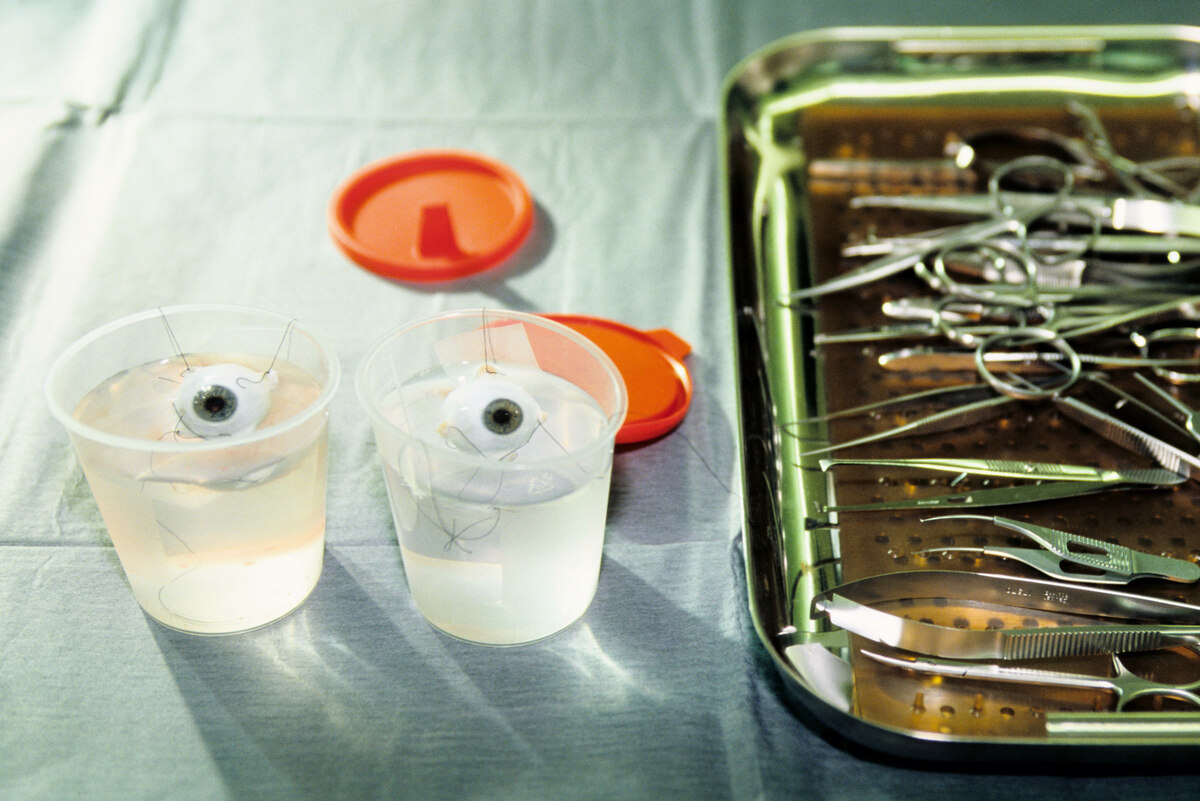
The piece demystifies organ transplantation for young readers, detailing how surgeons like Dr. Karl Hillebrandt frequently handle organs, sometimes multiple times a day, to save lives. It uses a simple analogy to explain the procedure and highlights the unique regenerative capacity of the liver, which can be split to benefit two recipients.
Imagine a special doctor who helps people whose body parts, like a heart or liver, are sick. Sometimes, these doctors need to carefully take out a sick part and put in a healthy new one from someone who doesn't need it anymore. It's a bit like replanting a flower from one pot to another so it can keep growing and be healthy again.
Analysis
The article provides a fascinating and accessible look into the world of organ transplantation, a complex medical procedure often shrouded in mystery for the general public. It directly answers a child's curious question, grounding the explanation in the practical realities of a surgeon's work.
Dr. Karl Hillebrandt
Dr. Karl Hillebrandt, a surgeon at the renowned Charité hospital in Berlin, is presented as a central figure in this explanation. His daily work involves frequently handling organs, sometimes as many as four in a single day, underscoring the hands-on nature of his profession. The term 'Chirurg' itself, derived from the ancient Greek 'cheirurgía,' literally means 'handwork,' perfectly reflecting the tactile demands of his role in saving lives through transplantation. His experience provides a credible and relatable perspective for the young audience.
Charité
Charité, one of Europe's largest university hospitals, serves as the institutional backdrop for Dr. Hillebrandt's work. Its prominence lends authority to the medical information presented, showcasing that such advanced and life-saving procedures are routine operations within leading German medical facilities. The hospital's role in receiving, preparing, and transplanting organs highlights the extensive logistical and medical infrastructure required for successful organ donation programs. This context helps illustrate the scale and importance of medical institutions in Germany.
Leber
The liver is specifically highlighted as an organ with remarkable properties that make it particularly suitable for transplantation. Dr. Hillebrandt explains that the liver has a unique ability to regenerate, meaning if a piece is removed, it can grow back within weeks. This characteristic allows for a single donated liver to potentially help two people: a smaller portion can be given to a child awaiting an organ, while the larger part goes to an adult. This innovative approach maximizes the impact of scarce organ donations, demonstrating the ingenuity and advanced techniques employed in modern transplant medicine.
Key points
- Surgeons, like Dr. Karl Hillebrandt at Charité, frequently handle organs during transplantation procedures.
- The term 'Chirurg' (surgeon) originates from a Greek word meaning 'handwork,' reflecting the tactile nature of the job.
- Organ transplantation involves removing a failing organ and replacing it with a healthy one from a donor.
- Most donated organs come from deceased individuals and must be quickly transported and prepared for implantation.
- The liver has a unique ability to regenerate, allowing a single donated liver to be split and used to help both a child and an adult.
The ability to transplant organs offers a vital second chance at life for many critically ill patients, and the innovative technique of splitting a donated liver allows a single organ to save two lives. This medical advancement maximizes the impact of organ donations, offering hope to more individuals on waiting lists.