China and North Korea open New Yalu River Bridge after 12-year delay
China and North Korea have officially opened the New Yalu River Bridge, a four-lane road bridge, after a 12-year delay, creating a significant new route for cross-border trade.
Intelligence analysis by Gemini 2.5 Flash
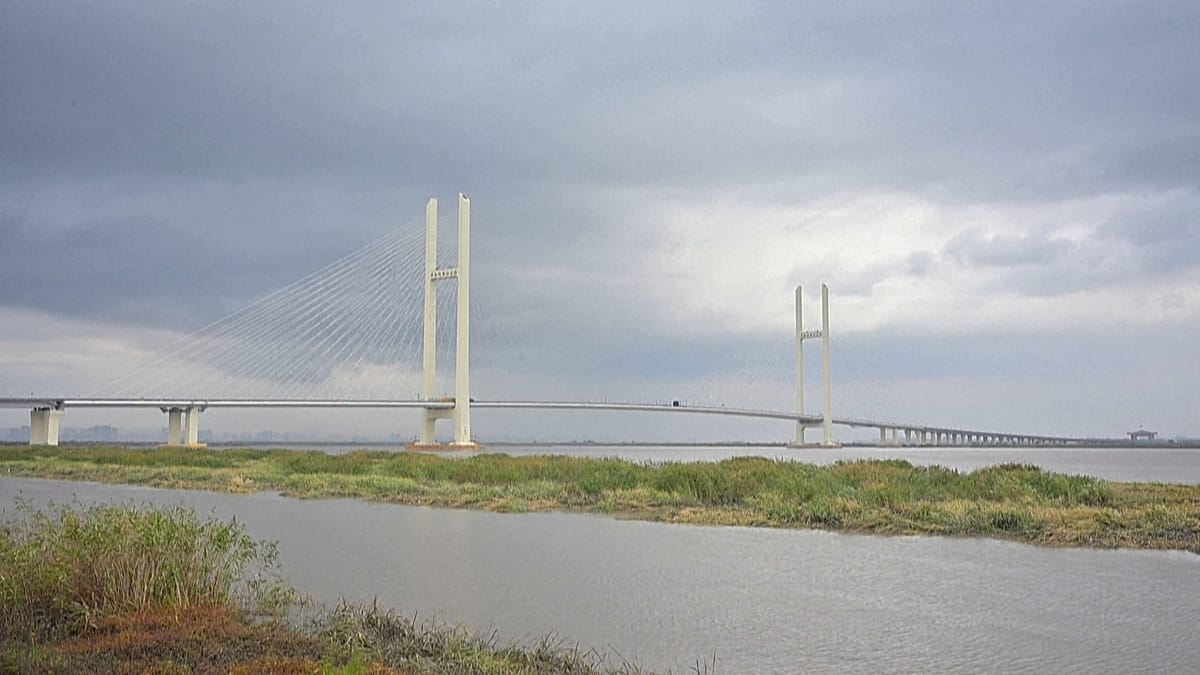
The 3,026-meter bridge, linking China's Dandong with North Korea's Sinuiju, was completed in 2014 but remained unused due to unfinished infrastructure on the North Korean side. Its opening on October 15, 2026, is seen as a major step to revive trade and ease freight transport between the two nations, which have experienced strained relations and pandemic-era border restrictions.
Imagine two neighbors, China and North Korea, who wanted to build a super-duper new road bridge to make it easier for trucks to carry things between their homes. They finished the bridge a long, long time ago, but one neighbor didn't finish their side of the road, so it just sat there empty for 12 years! Now, they've finally finished the road, and trucks are zooming across, making it much easier to share goods and help their towns grow.
Analysis
The long-awaited opening of the New Yalu River Bridge marks a pivotal moment in the economic relationship between China and North Korea. This infrastructure project, initially completed in 2014, languished for over a decade due to a lack of connecting roads and customs facilities on the North Korean side. Its activation now suggests a renewed commitment to bolstering bilateral trade, which has been hampered by international sanctions and, more recently, stringent pandemic-era border controls. The bridge is expected to significantly enhance freight transport capacity, potentially tripling or quadrupling cargo traffic, according to experts.
Yalu River Bridge
The New Yalu River Bridge is a substantial piece of infrastructure, stretching 3,026 meters and featuring four lanes designed to accommodate heavy traffic. Its primary function is to serve as a modern conduit for goods, reducing the strain on the much older Sino-Korean Friendship Bridge, which has been the main artery for cross-border movement since 1943. The delay in its opening underscored the complex logistical and political challenges inherent in projects involving North Korea, but its current operational status signals a pragmatic move towards economic revitalization.
Dandong
The Chinese border city of Dandong stands to gain considerably from the bridge's opening. Residents gathered to witness the first lorries crossing, expressing hopes that the new link will stimulate local business and improve living standards in the region. As China remains North Korea's largest trading partner and a crucial economic ally, the increased flow of goods is anticipated to bring economic benefits to both sides of the border. However, the full economic potential for Dandong may still be limited, as North Korea has yet to resume issuing tourist visas to Chinese visitors, indicating that the opening is primarily focused on commercial freight rather than broader cross-border interaction.
Kyungnam University
Lim Eul-chul, a North Korea expert at Kyungnam University, provided a crucial assessment of the bridge's potential impact, estimating that it could lead to a substantial increase in cargo traffic. This surge is particularly expected for shipments of heavy machinery and construction materials, which are vital for North Korea's development. This expert analysis highlights the strategic importance of the bridge in facilitating the movement of essential goods, reinforcing China's role as a lifeline for the isolated nation's economy. The focus on specific types of cargo also offers insight into North Korea's immediate economic priorities and China's role in supporting them.
Key points
- China and North Korea opened the New Yalu River Bridge on October 15, 2026, after a 12-year delay.
- The 3,026-meter, four-lane bridge connects China's Dandong with North Korea's Sinuiju.
- The bridge was completed in 2014 but remained unused due to unfinished connecting roads and customs facilities on the North Korean side.
- Its opening is expected to significantly revive trade and ease freight transport, reducing reliance on the older Sino-Korean Friendship Bridge.
- A North Korea expert from Kyungnam University estimates the new crossing could triple or quadruple cargo traffic, especially for heavy machinery and construction materials.
The opening of the New Yalu River Bridge is expected to significantly boost trade between China and North Korea, potentially tripling or quadrupling cargo traffic. This could lead to improved economic conditions and living standards in the border regions, fostering stronger economic ties between the two nations.
Despite the bridge's opening, North Korea's continued restrictions on issuing tourist visas to Chinese visitors suggest that broader cross-border engagement remains limited. The full economic benefits might not be realized if political factors or further restrictions impede the free flow of goods or people, potentially leading to an imbalance in trade benefits.