China evacuates 20,000 people as Typhoon Noul nears
China has evacuated more than 20,000 people and suspended railway services in southern China as approaching Typhoon Noul threatens torrential rain and gale-force winds.
Intelligence analysis by Llama
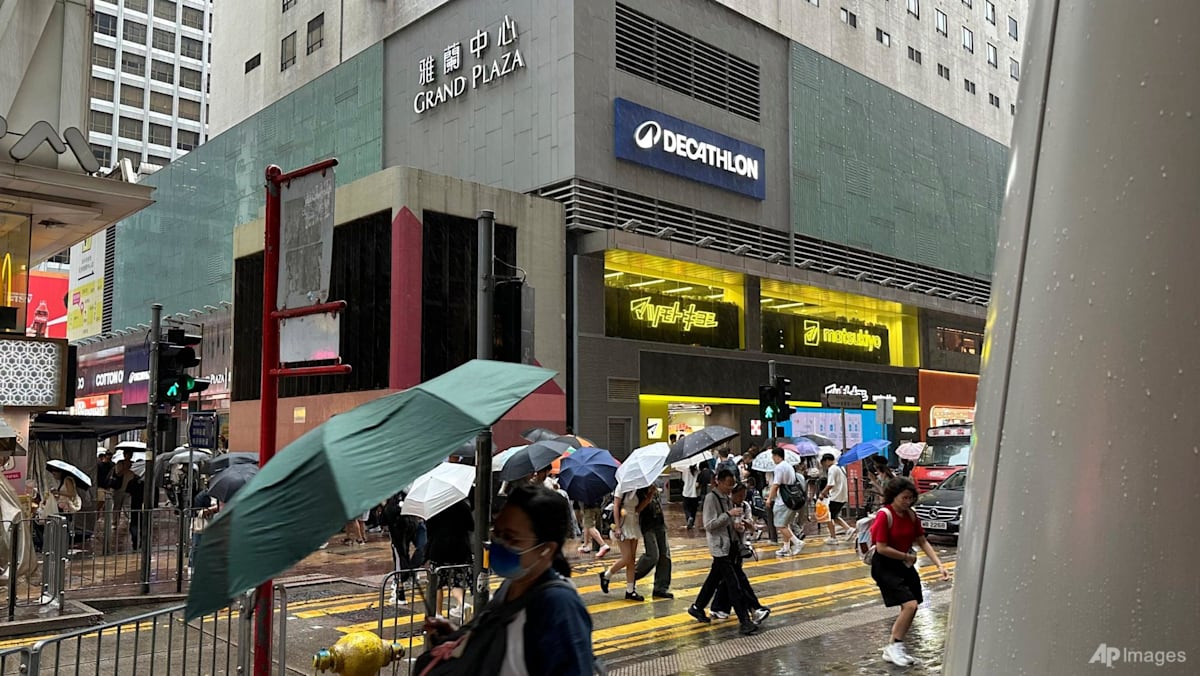
China has evacuated 20,000 people and suspended railway services in southern China as Typhoon Noul approaches, bringing torrential rain and gale-force winds.
Imagine you're living in a place where big storms are common. You need to be prepared to leave your home quickly when a storm warning is issued. That's what's happening in China right now, where over 20,000 people are being evacuated due to a big storm called Typhoon Noul. The government is taking precautions to keep people safe, but it's also a reminder of how important it is to be prepared for extreme weather events.
Analysis
A $60B Vote of Confidence
China's decision to evacuate over 20,000 people and suspend railway services in southern China due to Typhoon Noul is a testament to the country's growing awareness of the risks associated with extreme weather events. The evacuation and suspension of services are a precautionary measure to prevent loss of life and property, and demonstrate the government's commitment to disaster management. The impact of Typhoon Noul on China's economy is also significant, with the storm expected to disrupt trade and commerce in the affected regions. The economic cost of the storm is estimated to be in the billions of dollars, with some reports suggesting that it could be as high as $60 billion. This highlights the need for China to invest in disaster preparedness and response measures to mitigate the impact of such events.
Why Cursor?
The evacuation and suspension of services in southern China due to Typhoon Noul raises questions about the effectiveness of China's disaster management systems. The country has made significant investments in disaster preparedness and response measures in recent years, but the impact of Typhoon Noul suggests that there is still much work to be done. The government's decision to evacuate people and suspend services is a positive step, but it also highlights the need for more effective communication and coordination between different agencies and stakeholders. The use of technology, such as weather forecasting and early warning systems, can also play a critical role in disaster management, and China would do well to invest in these areas.
The Road Ahead
The impact of Typhoon Noul on China's economy and society will be significant, and the country will need to take a long-term view to mitigate the effects of such events. This includes investing in disaster preparedness and response measures, improving communication and coordination between different agencies and stakeholders, and using technology to enhance disaster management. The government's decision to evacuate people and suspend services is a positive step, but it also highlights the need for more effective disaster management systems. By taking a proactive approach to disaster management, China can reduce the impact of extreme weather events and build a more resilient society.
Key points
- China has evacuated over 20,000 people and suspended railway services in southern China due to Typhoon Noul.
- The storm is expected to bring torrential rain and gale-force winds to the affected regions.
- The economic cost of the storm is estimated to be in the billions of dollars.
- The government's decision to evacuate people and suspend services is a positive step, but it also highlights the need for more effective disaster management systems.
If Typhoon Noul passes without causing significant damage, it could be a positive sign for China's disaster management systems. The government's decision to evacuate people and suspend services shows that they are taking proactive steps to mitigate the impact of the storm. This could lead to improved disaster preparedness and response measures in the future, making China more resilient to extreme weather events.
The impact of Typhoon Noul on China's economy and society could be significant, with estimates suggesting that the economic cost could be as high as $60 billion. The storm could also lead to loss of life and property, and disrupt trade and commerce in the affected regions. This highlights the need for China to invest in disaster preparedness and response measures to mitigate the impact of such events.