China expands scrutiny of religious beliefs in Chengdu
China has expanded scrutiny of religious affiliation into public workplaces and schools in Chengdu. Employees at a public hospital were ordered to disclose their religious beliefs and education authorities collected information on the religious backgrounds of students and…
Intelligence analysis by Llama
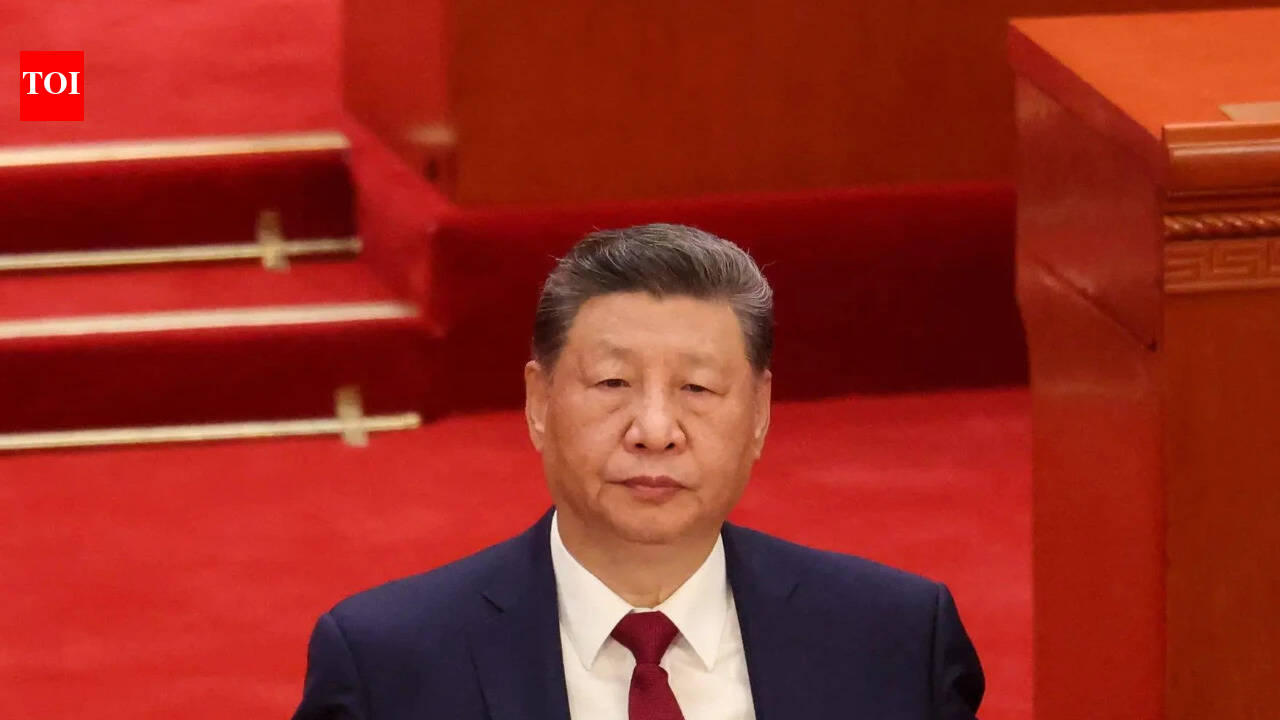
China has expanded scrutiny of religious affiliation into public workplaces and schools in Chengdu. Employees at a public hospital were ordered to disclose their religious beliefs and education authorities collected information on the religious backgrounds of students and their families. The reported measures form part of a wider Chinese Communist Party approach that treats religious …
China is making people working in hospitals and schools tell them what they believe in. This is part of a bigger plan to control what people think and do. It's like a big game of 'spot the difference' where the government is trying to figure out who believes in what.
Analysis
China's Expanding Scrutiny of Religious Beliefs in Chengdu
China has taken a significant step in expanding its scrutiny of religious beliefs, with reports emerging that employees at a public hospital in Chengdu have been ordered to disclose their religious affiliations. This move is part of a wider Chinese Communist Party approach that treats religious affairs as an issue of political and ideological management.
According to The Epoch Times, internal documents and accounts from people familiar with the practices have revealed that employees at the hospital were instructed to provide information about their religious affiliation and not conceal or omit relevant details. Those with no religious affiliation were also required to register as having 'no religious belief'. The notice further stated that members of the Chinese Communist Party are not permitted to practice a religion and that employees with religious affiliations were required to report the matter to their Party branch.
Religious activities and proselytizing were also prohibited in the workplace, according to the document. An administrative employee at a university in Sichuan told The Epoch Times that schools were also investigating the religious affiliations of students' family members and compiling the information for submission to higher authorities.
The reported measures form part of a wider Chinese Communist Party approach that treats religious affairs as an issue of political and ideological management. The Chinese government has promoted a policy known as the 'Sinicisation of religion', under which religious groups are expected to align their activities with Chinese law and the political and cultural priorities of the state.
Chinese president Xi Jinping has also called for stronger Party leadership over religious affairs and for religious work to be incorporated into the Party's broader leadership system. A Chinese scholar cited by The Epoch Times said similar restrictions on religious belief among public employees exist in other parts of the country, but those claims were not independently verified in the report.
Implications for Religious Freedom and Human Rights
The expansion of scrutiny of religious beliefs in Chengdu has significant implications for religious freedom and human rights in the region. The Chinese government's approach to religious affairs has been criticized for being overly restrictive and for treating religious groups as a threat to national security.
The reported measures in Chengdu are part of a broader trend of increasing restrictions on religious freedom in China. In recent years, the Chinese government has cracked down on religious groups, including Christians, Muslims, and Buddhists, and has imposed strict controls on the practice of religion.
Conclusion
The expansion of scrutiny of religious beliefs in Chengdu is a significant development that highlights the Chinese government's increasing restrictions on religious freedom. The reported measures have significant implications for religious freedom and human rights in the region and demonstrate the need for continued monitoring and scrutiny of China's human rights record.
Key points
- China has expanded scrutiny of religious affiliation into public workplaces and schools in Chengdu.
- Employees at a public hospital were ordered to disclose their religious beliefs.
- Education authorities collected information on the religious backgrounds of students and their families.
- The reported measures form part of a wider Chinese Communist Party approach that treats religious affairs as an issue of political and ideological management.
- The Chinese government has promoted a policy known as the 'Sinicisation of religion', under which religious groups are expected to align their activities with Chinese law and the political and cultural priorities of the state.
If this development plays out positively, it could lead to greater transparency and accountability in China's handling of religious affairs. This could potentially lead to more freedom for religious groups and individuals to practice their faith without fear of persecution.
However, the expansion of scrutiny of religious beliefs in Chengdu also raises concerns about the potential for increased repression and control. If the Chinese government continues to crack down on religious groups, it could lead to further human rights abuses and restrictions on freedom of thought and expression.