China goes after 'ghost kitchens' to rein in cut-throat food delivery apps
China is tightening rules on 'ghost kitchens' as regulators target food-delivery price wars and food-safety risks.
Intelligence analysis by GPT-5.4 Mini
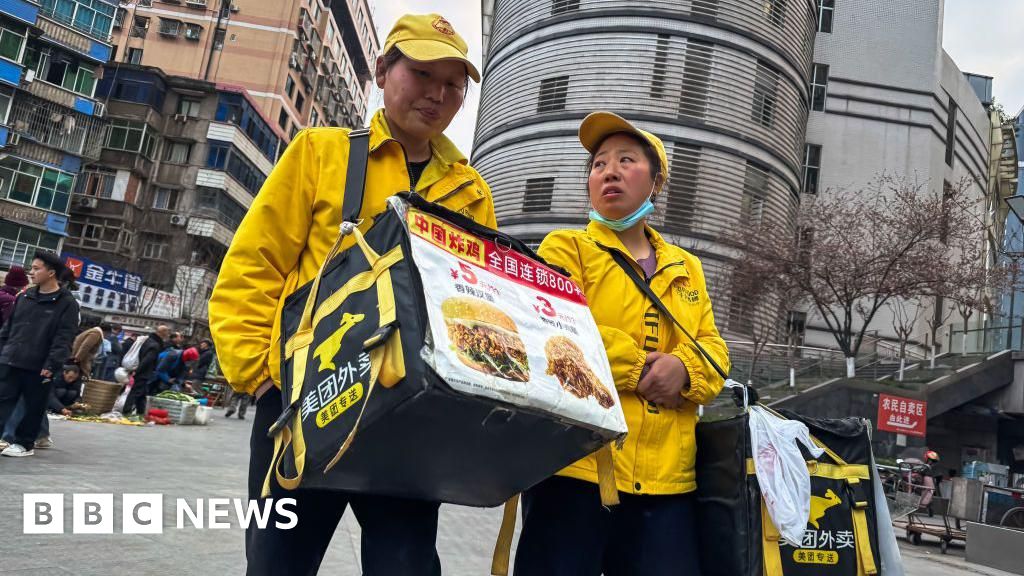
Chinese regulators are cracking down on restaurant listings that do not match real physical businesses, after finding widespread abuse tied to food-delivery platforms. The move adds pressure to an industry already marked by aggressive price competition and concerns over rider conditions and food safety.
China is checking food apps more carefully because some restaurants on the apps are not real storefronts. They are like pretend shops that send orders to other people to cook, sometimes very cheaply.
That can make food cheaper, but it can also make it harder to know if the food is safe. It is a bit like buying a toy from a box that says one thing, but inside there is something different.
The government wants the apps to prove the restaurant is real and that the address and papers match. Some places are also using cameras so people can watch food being made, like looking through a window into the kitchen.
Analysis
What China is targeting
Chinese authorities are taking aim at so-called “ghost kitchens”: restaurants that appear on delivery apps but do not operate as normal physical stores. In some cases, orders are reportedly passed through third-party vendors that make the food more cheaply, helping merchants cut prices and boost margins.
Why regulators stepped in
The BBC says officials found thousands of these operations across China, raising concerns that low prices may be coming at the expense of food safety. Starting this week, apps must check restaurant licences and addresses, while merchants are required to make sure their online listings match their real businesses and to state whether they offer dine-in service.
The scrutiny intensified after a Beijing customer complained about a cake topped with inedible flowers. According to state media, the seller had listed nearly 380 locations on major e-commerce platforms without having a single physical store, and its online shops allegedly used forged business licences. Investigators then traced orders through a transfer system that outsourced production to whichever vendor bid lowest.
Xinhua said authorities found 3.6 million cake orders across two order-transfer platforms and 67,000 “ghost shops” across seven major food delivery apps. It said the platforms and transfer sites formed an illegal supply chain through mutual collusion, and added that delivery platforms were complicit. A staff member at one app reportedly told officials that tighter review would push merchants to rival platforms, showing how competition can weaken enforcement.
The wider market backdrop
The crackdown fits a broader effort to cool China’s fiercely competitive delivery market. Last year, price wars among major apps triggered government warnings about a race to the bottom. In April, regulators fined seven e-commerce platforms, including Taobao, JD.com, Meituan and Pinduoduo, a total of 3.6 billion yuan, mostly over deliveries from ghost kitchens.
Some merchants are now trying to win trust by making kitchens more visible. In Hangzhou, more than 20 takeout stalls have installed transparent kitchens with live video feeds. In Anhui, authorities said they signed a food-safety agreement with Meituan, Taobao and JD.com that includes using AI models to monitor kitchens and rewarding riders who report illegal restaurants.
Key points
- China is tightening oversight of 'ghost kitchens' on food delivery apps.
- Apps must now verify restaurant licences and physical addresses.
- Authorities say ghost kitchens have been linked to food-safety concerns and fake listings.
- The crackdown comes amid intense price competition in China's delivery market.
- Regulators have already fined major platforms over delivery-related violations.
If the rules are enforced well, consumers could get clearer information about who is actually making their food and where it is being prepared. That could improve trust in delivery apps and reduce the incentive for merchants to hide behind fake listings.
If enforcement is uneven, merchants may simply shift to rival platforms or new loopholes, limiting the crackdown's impact. Stricter checks could also raise costs for legitimate sellers already operating in a brutally competitive market.