China in touch with Yemen's Houthis to allow ships to sail through Red Sea, sources say
China has held direct talks with Yemen's Houthi movement to enable its tankers to sail through the southern Red Sea without being attacked after the Iran-aligned militia pledged to prevent access to Saudi ports.
Intelligence analysis by Llama
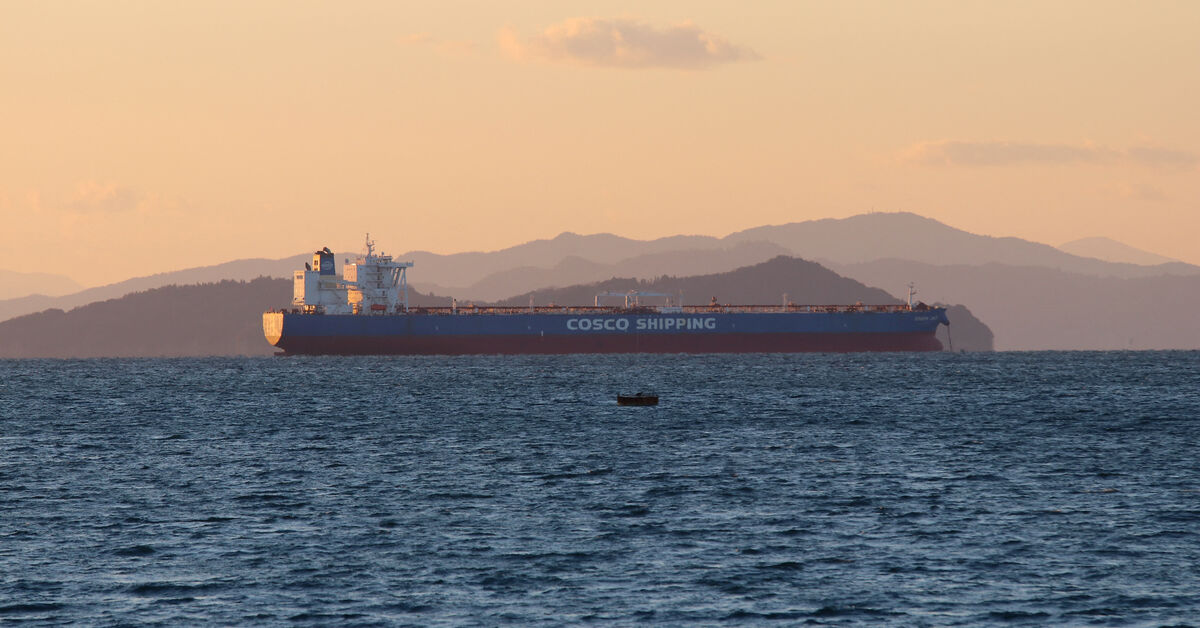
China has negotiated with Yemen's Houthi movement to ensure safe passage for its tankers through the Red Sea, following the Houthis' declaration of a blockade on Saudi ports.
China is talking to a group called the Houthis in Yemen to make sure its oil tankers can safely travel through the Red Sea. The Houthis have said they might attack ships that go to Saudi Arabia, which is a big oil supplier to China.
Analysis
China's Strategic Move in the Red Sea
China's decision to engage directly with Yemen's Houthi movement is a strategic move to ensure the safe passage of its tankers through the Red Sea. This development is significant for the global oil market, as it affects the flow of energy supplies from Saudi Arabia to China. The Houthis' declaration of a blockade on Saudi ports has opened a new front against the US and its allies in the Iran war, expanding attacks on tankers carrying energy and other supplies to markets beyond the Middle East.
Beijing's Request for Safe Passage
China has asked the Houthis directly to promise safe passage for its tankers, according to sources. This request is a clear indication of China's commitment to ensuring the smooth flow of oil supplies to its economy. The Houthis have told international shipping companies in an email that vessels may be attacked if they load or discharge cargo at Saudi Arabian ports. This has led to some tankers trying to enter the Red Sea through the Bab el-Mandeb changing course due to safety worries.
Implications for the Global Oil Market
The Houthis' blockade on Saudi ports has significant implications for the global oil market. The Red Sea is a critical shipping route for oil tankers, and any disruption to this route can have far-reaching consequences for oil prices and global trade. China's engagement with the Houthis is a strategic move to mitigate these risks and ensure the continued flow of oil supplies to its economy.
Key points
- China has held direct talks with Yemen's Houthi movement to ensure safe passage for its tankers through the Red Sea.
- The Houthis have declared a blockade on Saudi ports, which has opened a new front against the US and its allies in the Iran war.
- China has asked the Houthis directly to promise safe passage for its tankers.
- The Houthis have told international shipping companies that vessels may be attacked if they load or discharge cargo at Saudi Arabian ports.
If China and the Houthis can reach an agreement, it could lead to a reduction in oil prices and a more stable global oil market.
However, if the Houthis continue to block Saudi ports, it could lead to a significant disruption in oil supplies, causing oil prices to rise and potentially destabilizing the global economy.