China moves to end ‘irrational’ food-delivery subsidies and the sector’s price wars
China introduces draft regulations to crack down on misuse of subsidies by food-delivery platforms. The proposed rules aim to rein in intense competition and prevent predatory pricing.
Intelligence analysis by Llama 3.3 70B
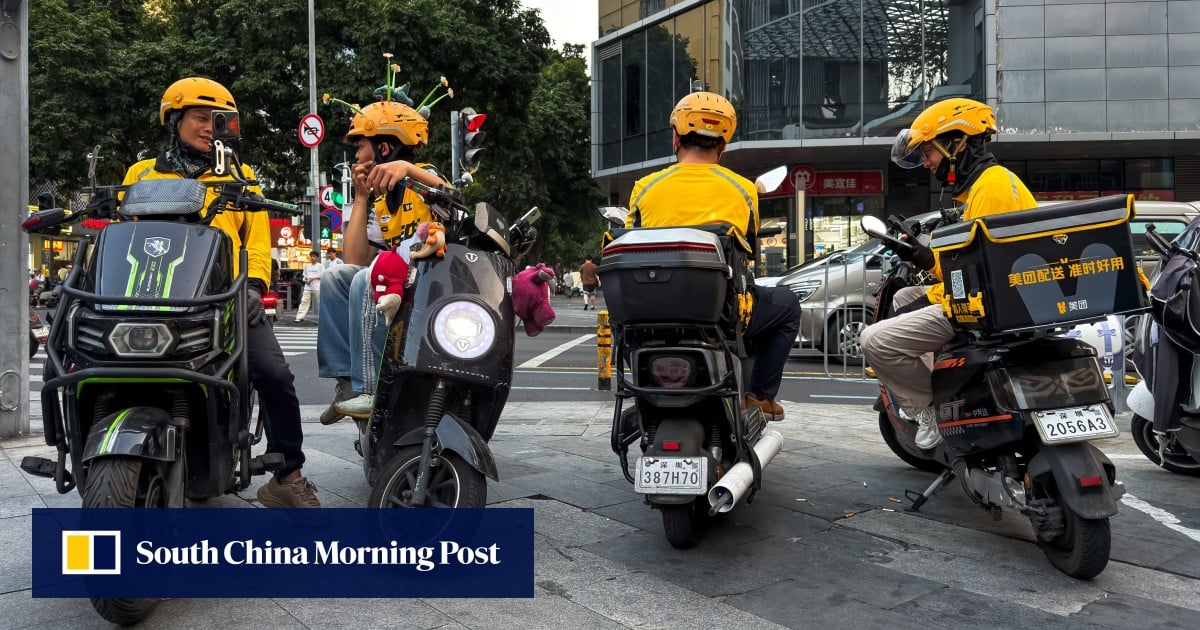
Chinese authorities target food-delivery platforms' irrational subsidies and price wars with new regulations, requiring disclosure of subsidy data and banning disruptive market practices.
Imagine you're ordering food online, and the platform is offering you a really cheap deal. But, the platform is actually losing money on that deal, and it's not sustainable. The Chinese government is introducing new rules to stop this kind of practice, which is called irrational subsidies, and to promote fair competition in the food-delivery sector.
Analysis
Regulatory Crackdown on Food-Delivery Subsidies
The Chinese government has introduced draft regulations to address the issue of irrational subsidies in the food-delivery sector. The proposed rules, which are open for public comment until July 17, identify several practices that would be banned, including using subsidies to disrupt the market and selling goods at a loss.
The State Administration for Market Regulation (SAMR) has stated that China's food-delivery platforms exhibit problems such as using capital advantages to seize market share, coercing businesses on their platforms into taking part in subsidies, and triggering irrational competition in the industry. These practices have hurt businesses, delivery drivers, and consumers, highlighting the need for regulatory intervention.
Impact on the Food-Delivery Sector
The new regulations will have a significant impact on the food-delivery sector in China. Platforms will be prohibited from using long-term, large-scale subsidies to hamper market competition or disrupt market order. They will also be barred from forcing merchants to participate in subsidy activities or making them bear the associated costs. Additionally, platforms will be required to make public disclosures, both before launching a subsidy campaign and after completing it.
Implications for the Tech Industry
The introduction of these regulations has implications for the tech industry as a whole. The Chinese government's crackdown on irrational subsidies and price wars in the food-delivery sector highlights the need for responsible and sustainable business practices in the tech industry. As the tech industry continues to grow and evolve, it is likely that we will see more regulatory interventions aimed at promoting fair competition and protecting consumers.
The regulations also underscore the importance of transparency and accountability in the tech industry. By requiring platforms to disclose subsidy data and banning disruptive market practices, the Chinese government is promoting a more level playing field and encouraging platforms to focus on providing high-quality services rather than engaging in predatory pricing practices.
Key points
- China introduces draft regulations to crack down on misuse of subsidies by food-delivery platforms
- The proposed rules aim to rein in intense competition and prevent predatory pricing
- Platforms will be required to disclose subsidy data and banned from disruptive market practices
The introduction of these regulations could lead to a more sustainable and competitive food-delivery sector in China, where platforms focus on providing high-quality services rather than engaging in predatory pricing practices. This could benefit businesses, delivery drivers, and consumers, and promote a more level playing field in the industry.
The regulations may face challenges in implementation, and some platforms may find ways to circumvent the rules. Additionally, the crackdown on subsidies could lead to higher prices for consumers, which could negatively impact demand and the overall growth of the food-delivery sector.