China rallies Central Asian police chiefs on terrorism threats, energy and trade
China's top police officer, Wang Xiaohong, pledged deeper security cooperation with Central Asian nations to combat terrorism, separatism, and extremism, while also protecting Belt and Road Initiative investments.
Intelligence analysis by Gemini 2.5 Flash
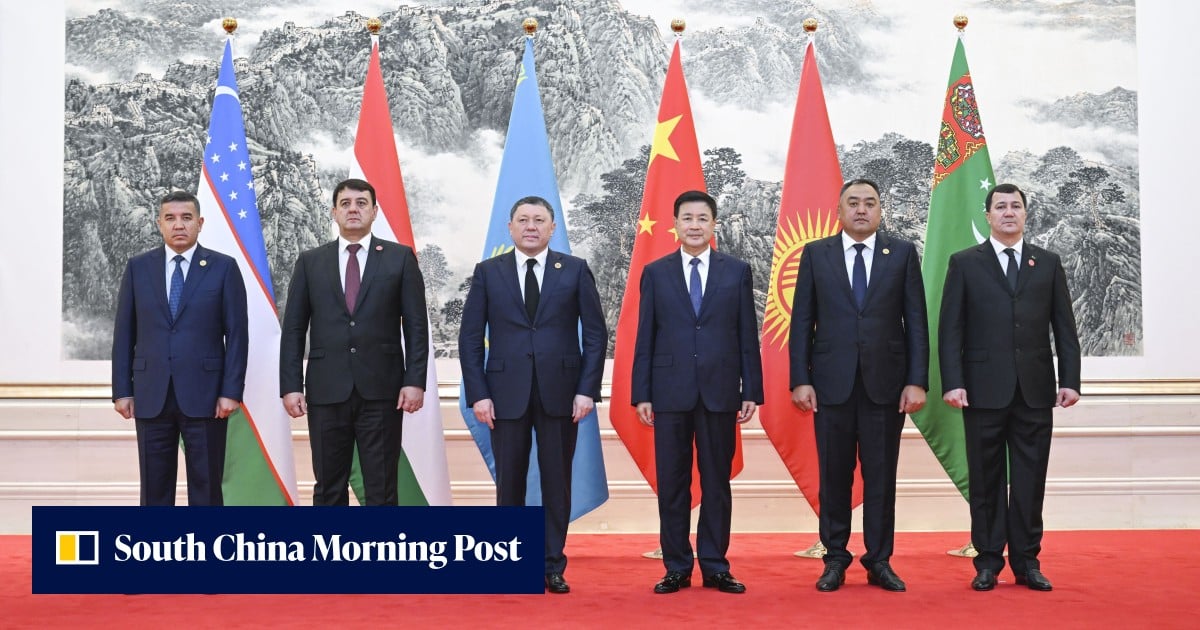
Chinese Public Security Minister Wang Xiaohong hosted an informal meeting in Beijing with police chiefs from five Central Asian countries, urging joint efforts against the "three evil forces"—terrorism, separatism, and extremism. This initiative aims to bolster regional stability, secure vital energy and trade routes, and safeguard China's significant economic and strategic interests …
Imagine China is building a super-long road and railway system, like a giant treasure map, through countries in Central Asia. To make sure no bad guys like terrorists or troublemakers mess with these important routes, China's top police chief met with the police chiefs from these countries. They all agreed to work together like a team of superheroes to catch the bad guys and keep everyone safe, especially the big projects China is building, so that trade and energy can flow smoothly.
Analysis
China's recent engagement with Central Asian police chiefs signifies a strategic deepening of its security doctrine, extending its influence and protective measures across a critical geopolitical corridor. The meeting, led by Chinese Public Security Minister Wang Xiaohong, underscores Beijing's commitment to a comprehensive security framework that intertwines counter-terrorism efforts with economic safeguarding.
Wang Xiaohong
Chinese Public Security Minister Wang Xiaohong played a pivotal role in orchestrating this informal meeting, emphasizing a unified front against what Beijing terms the "three evil forces." His call for deeper cooperation with counterparts from Kazakhstan, Kyrgyzstan, Tajikistan, Turkmenistan, and Uzbekistan highlights China's intent to operationalize its security concerns through direct engagement. This leadership demonstrates China's preference for bilateral and multilateral security mechanisms to address shared threats.
The minister's agenda specifically targeted terrorism, separatism, and extremism, terms frequently used within Beijing's security lexicon, particularly in relation to Xinjiang. By rallying Central Asian nations, Wang Xiaohong aims to create a more integrated security apparatus that can share intelligence, coordinate law enforcement training, and conduct joint operations. This approach seeks to neutralize threats before they impact China's domestic stability or its regional projects.
Belt and Road Initiative
The protection of Belt and Road Initiative (BRI) investments was a central theme of the security talks, reflecting China's significant economic stakes in Central Asia. The region's energy corridors and transport routes are indispensable to China's economic and strategic interests, making their security paramount. Safeguarding these assets from potential disruptions, including those posed by extremist groups, is crucial for the initiative's long-term success.
China's emphasis on defending infrastructure and ensuring stability along these routes directly supports the unimpeded flow of trade and resources. The cooperation pledged by Central Asian police chiefs is expected to translate into enhanced security measures for BRI projects, from pipelines to railways. This collaborative security framework is designed to mitigate risks and foster a more predictable environment for Chinese investments and personnel in the region.
Shanghai Cooperation Organisation
The informal meeting followed closely on the heels of a Shanghai Cooperation Organisation (SCO) summit, where Chinese President Xi Jinping articulated security as a "key goal" for the organization. This timing suggests a deliberate effort to reinforce and operationalize the broader security mandates discussed at the SCO level through more focused, ministerial-level engagements. The "three evil forces" terminology itself is deeply embedded in the SCO framework, indicating a consistent ideological alignment.
The SCO provides a crucial multilateral platform for China to advance its security agenda in Central Asia, and this meeting serves as a practical extension of that vision. By fostering an "environment of common security," as called for by President Xi, China aims to leverage existing regional structures to build a robust, collective defense against perceived threats. This integrated approach ensures that security cooperation is not merely theoretical but translates into actionable strategies on the ground.
Key points
- China's Public Security Minister Wang Xiaohong pledged deeper security cooperation with Central Asian counterparts.
- The focus is on combating terrorism, separatism, and extremism, collectively termed the "three evil forces."
- The initiative aims to protect Belt and Road Initiative investments and infrastructure in Central Asia.
- The meeting involved police chiefs from Kazakhstan, Kyrgyzstan, Tajikistan, Turkmenistan, and Uzbekistan.
- The security talks follow a recent Shanghai Cooperation Organisation (SCO) summit where security was a key agenda item.
Enhanced cooperation between China and Central Asian nations could lead to greater regional stability, more effective counter-terrorism efforts, and improved security for vital energy and trade routes. This collaboration could foster a safer environment for economic development and strengthen diplomatic ties across the region.