China rejects G20 trade-imbalance claims, says no need to devalue yuan
China has pushed back against G20 criticism regarding its trade imbalances, with the central bank denying deliberate pursuit of surpluses and vowing not to weaponize the yuan. Beijing urged all countries to undertake structural reforms to address global imbalances.
Intelligence analysis by Gemini 2.5 Flash
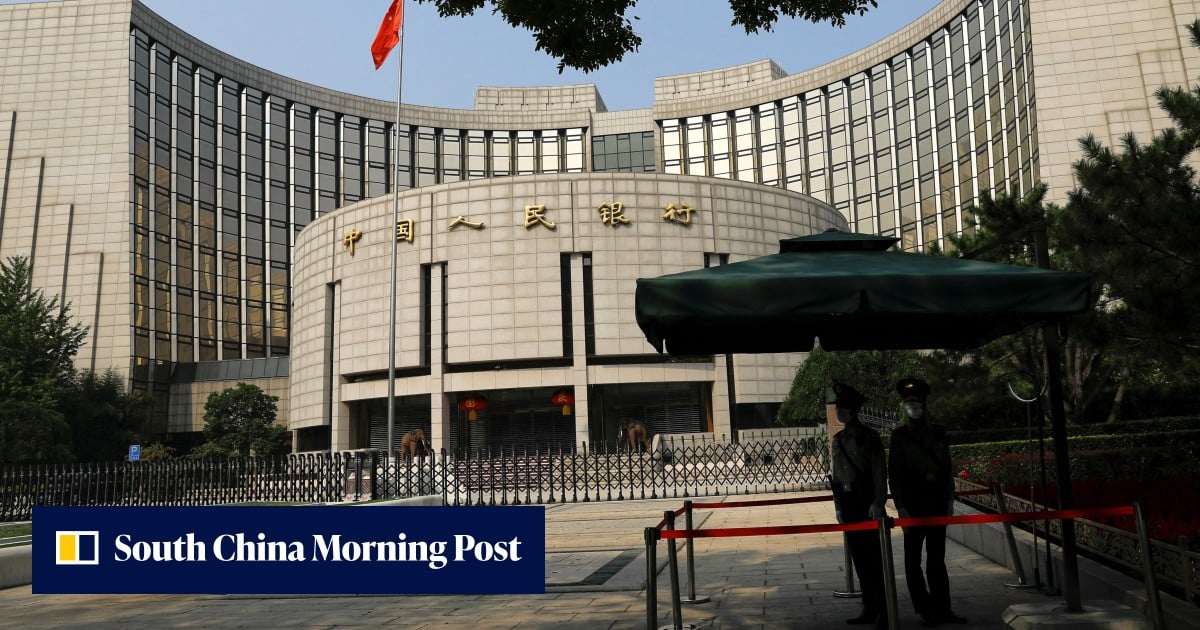
At a G20 meeting, China's central bank governor, Pan Gongsheng, rejected claims that Beijing intentionally creates trade surpluses or would devalue its currency to boost exports. This stance led to a lack of unanimous statement from the G20, as China opposed language targeting 'non-market policies' and 'excessive external surpluses,' instead calling for deficit countries to cut spending.
Imagine you have a lemonade stand, and you sell way more lemonade than you buy ingredients from other kids. Other kids might say you're selling too much and not buying enough from them, making things unfair. China is like that lemonade stand, selling a lot to the world. Other big countries, like the G20 club, are saying China sells too much and doesn't buy enough, making the world's money flow uneven. But China says, 'No, we're just good at making things, and everyone else should also fix their own spending habits!' They also promise not to make their lemonade cheaper on purpose just to sell even more.
Analysis
The recent Group of 20 (G20) meeting brought to the forefront persistent disagreements over global trade imbalances, with China directly confronting accusations regarding its economic policies. Beijing's refusal to endorse specific language in a joint statement, particularly clauses addressing 'non-market policies and practices that exacerbate imbalances' and 'excessive and persistent external surpluses,' signals a firm resolve to defend its economic model against international scrutiny. This rejection underscores a broader ideological divide on how to achieve global economic stability and fairness, with China advocating for a more distributed responsibility among nations.
Pan Gongsheng
People's Bank of China governor Pan Gongsheng played a pivotal role in articulating China's position at the G20 gathering. He explicitly denied that China deliberately seeks trade surpluses and committed that the yuan would not be used as a tool to boost exports, directly addressing concerns about currency manipulation. Pan's remarks emphasized that addressing global imbalances requires a collective effort, urging all countries to implement their own structural reforms. This perspective shifts the onus from China alone to a shared responsibility, suggesting that deficit nations also need to adjust their fiscal policies and saving rates.
Pan also highlighted China's commitment to expanding domestic demand, a strategy aimed at reducing its reliance on exports for growth. This internal rebalancing is presented as China's contribution to resolving global imbalances, contrasting with external pressures for policy changes. The central bank's firm stance indicates that China is unlikely to yield easily to demands for significant shifts in its trade or currency policies, preferring to frame the issue as a multilateral challenge requiring diverse national responses rather than unilateral concessions.
US$1.2 trillion
China's record trade surplus of US$1.2 trillion last year has been a central point of contention, fueling renewed scrutiny from international bodies and countries like the United States. This substantial surplus is viewed by critics as evidence of structural distortions within the Chinese economy that favor exports over domestic consumption, leading to global imbalances. The G20 discussions, and particularly the US Treasury's concerns, reflect a belief that such a large surplus is 'unsustainable' and necessitates corrective actions from Beijing.
From China's perspective, however, the surplus is a natural outcome of its economic structure and competitiveness, not a result of deliberate manipulation or unfair practices. Beijing argues that its economic policies are geared towards sustainable development and that the global community should focus on broader structural issues rather than singling out China. The debate over the US$1.2 trillion figure encapsulates the fundamental disagreement on the causes and solutions for global trade imbalances, making consensus difficult to achieve.
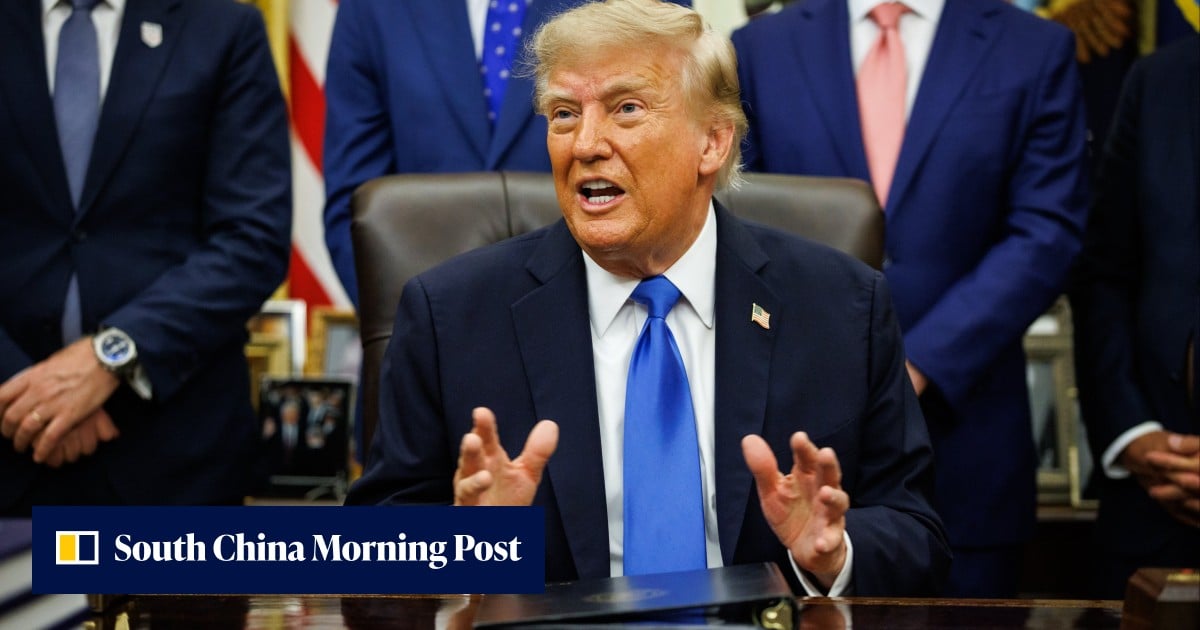
Scott Bessent
US Treasury Secretary Scott Bessent publicly voiced the United States' concerns following the G20 meeting, describing China's current account surplus as 'unsustainable' and directly attributing the failure to issue a unanimous statement to Beijing's opposition. Bessent's statement, issued separately by the US Treasury, highlighted specific paragraphs that China had objected to, including those calling for the elimination of 'non-market policies and practices' and urging surplus countries to remove distortions that constrain domestic consumption. This direct criticism from a key US official underscores the depth of the disagreement and the persistent pressure on China.
Bessent's remarks signal that the US will continue to push for changes in China's economic policies, particularly those perceived to contribute to its large trade surplus. The US Treasury's decision to issue a statement 'agreed by all G20 members present except China' further isolates Beijing on this issue, emphasizing the international community's collective concern, even without full consensus. This diplomatic maneuver suggests that while a unified G20 front might be elusive, the US and its allies will continue to advocate for their position on China's trade practices.
Key points
- China rejected G20 claims regarding its trade imbalances and denied weaponizing the yuan to boost exports.
- People's Bank of China governor Pan Gongsheng stated that addressing global imbalances requires all countries to promote structural reforms.
- China opposed specific language in a G20 statement that targeted 'non-market policies' and 'excessive external surpluses'.
- US Treasury Secretary Scott Bessent called China's record US$1.2 trillion current account surplus 'unsustainable'.
- Beijing urged deficit countries to cut fiscal deficits and raise saving rates, while surplus countries should promote consumption and investment growth.
If all G20 countries genuinely commit to promoting their own structural reforms, as China suggests, it could lead to a more balanced global economy. This collaborative approach might foster greater international cooperation and reduce trade tensions, ultimately benefiting global economic stability and growth.
Continued disagreement and China's firm rejection of G20 claims could exacerbate existing trade tensions and hinder efforts to achieve global economic consensus. This lack of resolution might lead to further protectionist measures or unilateral actions, potentially destabilizing international trade relations.