China urges US, Iran to choose peace, resolve disputes
China's Foreign Ministry has called on the United States and Iran to prioritize peace and resolve their ongoing disputes through diplomatic means, emphasizing that prolonged conflict serves no one's interests.
Intelligence analysis by Gemini 2.5 Flash
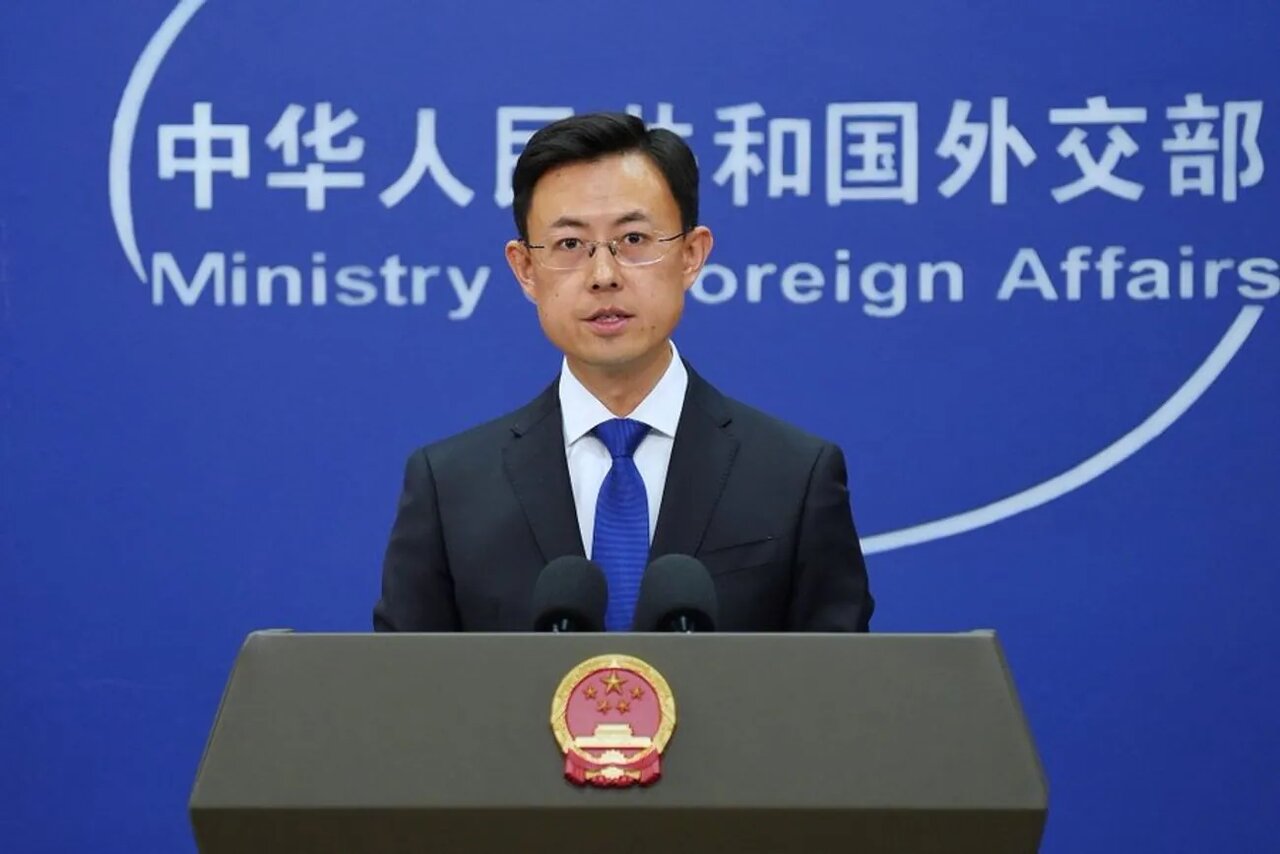
Chinese Foreign Ministry spokesperson Guo Jiakun stated that the continuation of the US-Iran conflict is detrimental to both parties and the international community, particularly concerning freedom of navigation in the Strait of Hormuz. Beijing advocates for dialogue and negotiation to restore peace and tranquility in the Middle East and Persian Gulf region.
Imagine two friends, America and Iran, are having a big argument that's making everyone around them nervous, especially because they live near a very important road where all the world's cars get their gas. China, a big and wise friend to both, is telling them to stop fighting, talk it out, and be peaceful, because their argument is making things difficult and dangerous for everyone, including China itself.
Analysis
China's recent call for peace between the United States and Iran underscores its growing role as a significant player in global diplomacy, particularly in regions vital for international trade and energy security. Beijing's position, articulated by Foreign Ministry spokesperson Guo Jiakun, reflects a broader concern about the destabilizing effects of prolonged conflict on the global stage. As a major economic partner to both Iran and the US, China has a vested interest in maintaining stability in the Middle East, ensuring the unimpeded flow of oil and goods through critical maritime chokepoints. This diplomatic intervention signals China's desire to protect its economic interests and promote a multilateral approach to resolving international disputes, rather than relying solely on unilateral actions or military posturing.
Guo Jiakun
Chinese Foreign Ministry spokesperson Guo Jiakun's statement is a direct appeal for de-escalation, framing the US-Iran conflict as detrimental to the common interests of all parties involved, including the international community. His remarks were made in response to questions regarding freedom of navigation in the Strait of Hormuz, indicating the immediate concern over potential disruptions to global shipping lanes. Jiakun's emphasis on dialogue and negotiation as the preferred methods for dispute resolution aligns with China's long-standing foreign policy principles, which often advocate for peaceful coexistence and non-interference. This public declaration from a high-ranking Chinese official adds significant weight to the international chorus urging restraint and diplomatic engagement between Washington and Tehran.
Strait of Hormuz
The Strait of Hormuz is explicitly mentioned as a key area of concern, highlighting its strategic importance to global energy markets and international trade. The protraction of the US-Iran conflict poses a direct threat to the freedom of navigation through this narrow waterway, which is a critical chokepoint for a substantial portion of the world's oil supply. Any disruption in the Strait could lead to severe economic repercussions globally, including spikes in oil prices and increased shipping costs. China, as one of the world's largest energy consumers, is particularly sensitive to potential instability in this region, making its call for peace a pragmatic move to safeguard its own economic security and the stability of global supply chains.
Middle East
The broader context of China's appeal extends to the restoration of peace and tranquility across the entire Middle East and Persian Gulf region. The ongoing tensions between the US and Iran have ripple effects that exacerbate existing conflicts and create new instabilities throughout the area. China's diplomatic push aims to mitigate these wider regional consequences, recognizing that a stable Middle East is crucial for global security and economic prosperity. By urging both sides to choose peace, Beijing is positioning itself as a responsible global power committed to fostering a more harmonious international environment, while also subtly asserting its influence in a region traditionally dominated by Western powers.
Key points
- China's Foreign Ministry urged the US and Iran to resolve disputes through diplomacy.
- Spokesperson Guo Jiakun stated that prolonged conflict does not serve common interests.
- China emphasized the importance of peace for the Middle East and Persian Gulf region.
- The call for peace specifically addressed concerns over freedom of navigation in the Strait of Hormuz.
China's diplomatic intervention could provide a much-needed external push for the US and Iran to engage in meaningful dialogue, potentially leading to de-escalation and a more stable regional environment. This international pressure might open new avenues for negotiation, reducing the risk of military confrontation and ensuring the continued freedom of navigation in vital waterways like the Strait of Hormuz.
Despite China's urging, the deep-seated mistrust and conflicting interests between the US and Iran may prove too significant to overcome, leading to continued stalemate or even further escalation. Without concrete steps from Washington and Tehran, China's call for peace could remain largely symbolic, failing to prevent future incidents or disruptions in the Middle East.