China’s economic soft power in the age of connectivity
China's economic influence is shifting from volume to quality, focusing on strategic industries and emerging technologies.
Intelligence analysis by Qwen 2.5 (3B)
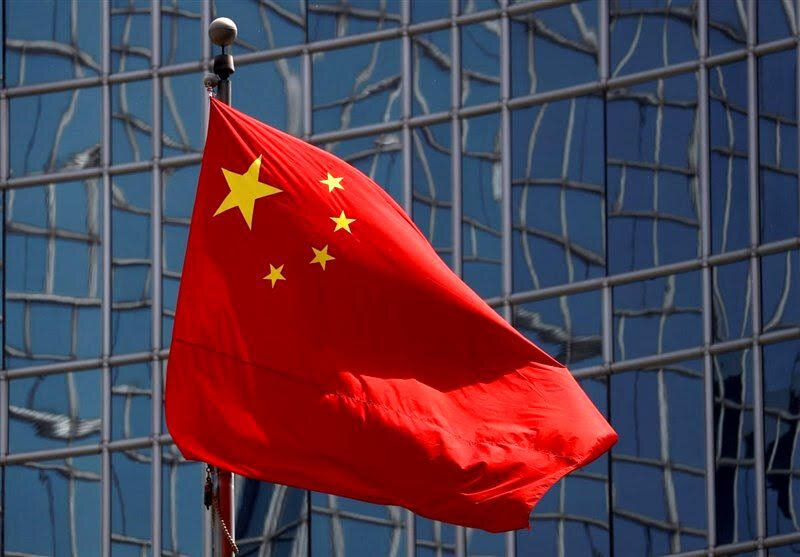
China's economic power is expanding through integration, technology, and investment, influencing global markets and industries.
China is like a big factory that makes lots of things. Now, instead of just selling finished products, it's also making parts and helping other countries make their own products. This makes China very important in the world.
Analysis
China's Integration Across the Value Chain
China's economic influence is not limited to exports but extends to raw materials, intermediate components, and industrial standards. This has created a dependency in many global industries.
Diversifying Markets and Strengthening Domestic Demand
China is diversifying its markets and boosting domestic demand to enhance trade resilience, especially in technology and emerging industries.
Outward Investment and Industrial Partnerships
Chinese companies are moving beyond exporting goods to establishing factories and forming partnerships abroad, positioning China as a 'global manufacturer and investor'.
Key points
- China's economic influence is shifting from volume to quality and strategic industries.
- China is diversifying its markets and boosting domestic demand to enhance trade resilience.
- Chinese companies are moving beyond exporting goods to establishing partnerships and factories abroad.
- China's economic power is expanding through integration, technology, and investment.
- China's economic strategy is crucial for global trade and geopolitics.
China's focus on quality and strategic industries will continue to strengthen its economic influence, potentially leading to more balanced and sustainable growth.
If China cannot manage its trade tensions effectively, it could face challenges in maintaining its economic power and influence.