China’s next export is the world’s factory itself
China's export boom is reaching its limits, and the country's next phase of growth will come from exporting its factories, technologies, and brands.
Intelligence analysis by Llama
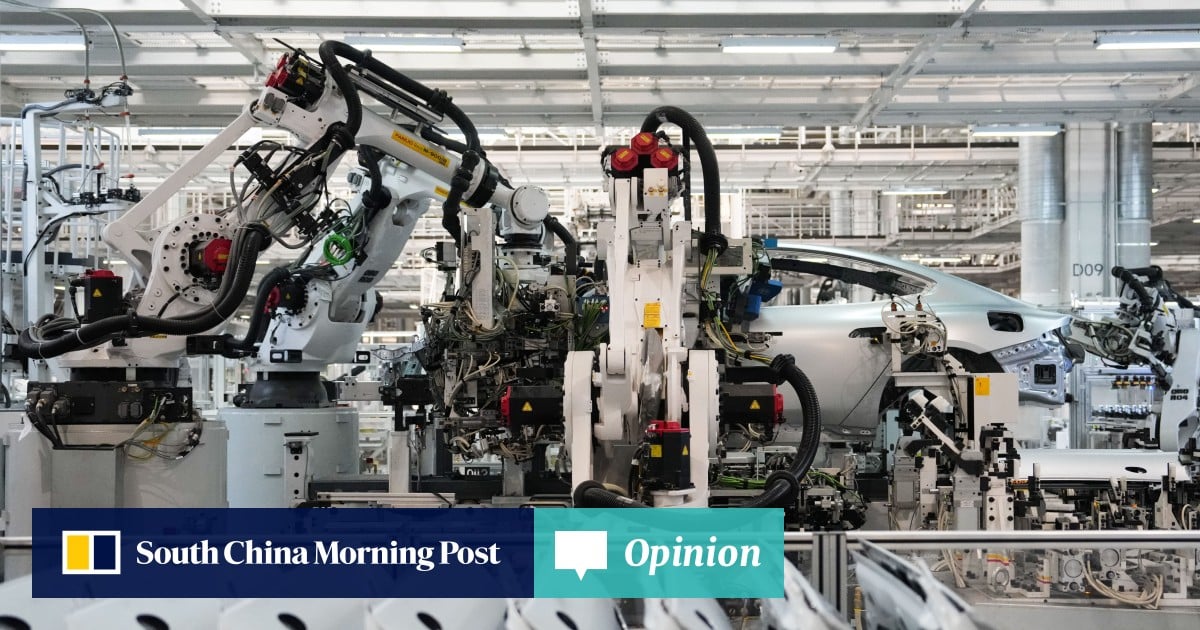
China's economy is shifting from relying on exports to building factories and embedding its tech and industrial standards in global supply chains.
China is changing its economic growth model from relying on exports to building factories and embedding its technologies and industrial standards in global supply chains. This will create new opportunities for growth and help to promote economic development and stability.
Analysis
A New Growth Model for China
China's export boom is reaching its limits, and the country's next phase of growth will come not from shipping more goods abroad, but from exporting its factories, technologies, and brands. This shift is driven by the need to find new sources of growth as the old model loses momentum. The Chinese economy is increasingly K-shaped, with weak consumer confidence and a prolonged property slump continuing to sap domestic demand. Manufacturers are forced to rely ever more heavily on overseas markets, but this approach is nearing its limits. Exports have become the Chinese economy's strongest economic engine, but they are increasingly unwelcome in many countries. France and Germany, for instance, have agreed to pursue tougher European Union trade safeguards, as advanced economies become less willing to absorb Chinese overcapacity. For governments hoping tariffs will rebuild domestic industry, China's next move will leave them disappointed. Levies can slow imports but not if China builds its factories overseas. Recent economic data shows why China needs to change course. Its gross domestic product has expanded at the slowest rate in years, growing just 4.3 per cent year on year in the second quarter. Exports surged by 27 per cent in June, but retail sales were up just 1 per cent. Real estate investment plunged by 18 per cent in the first half. This uneven growth reflects the K-shaped economy, and slowing growth is at the top of Beijing's agenda. On Thursday, the Politburo promised stronger macroeconomic support and a faster pace of fiscal spending, underscoring policymakers' determination to find new sources of growth as the old model loses momentum.
Building Factories Abroad
China's next phase of growth will involve building factories and Chinese brands abroad. This will not only create new jobs and stimulate local economies but also help to embed Chinese technologies and industrial standards in global supply chains. By doing so, China can reduce its reliance on exports and create new opportunities for growth. The shift towards building factories abroad is already underway, with Chinese companies investing heavily in countries such as Vietnam, Indonesia, and Malaysia. These investments are not only creating new jobs but also helping to stimulate local economies and promote economic growth.
Embedding Tech and Industrial Standards
In addition to building factories abroad, China is also working to embed its technologies and industrial standards in global supply chains. This will involve the development of new technologies and standards that can be used by companies around the world. By doing so, China can reduce its reliance on exports and create new opportunities for growth. The shift towards embedding tech and industrial standards is already underway, with Chinese companies investing heavily in research and development and working to develop new technologies and standards. These efforts are not only creating new opportunities for growth but also helping to promote economic development and stability.
Conclusion
China's economic growth model is changing, and this shift has significant implications for the global economy and trade policies. The shift towards building factories abroad and embedding tech and industrial standards in global supply chains is already underway, and it is likely to continue in the coming years. This shift will not only create new opportunities for growth but also help to promote economic development and stability. As China continues to evolve and grow, it is likely to play an increasingly important role in the global economy, and its shift towards building factories abroad and embedding tech and industrial standards in global supply chains will be an important part of this process.
Key points
- China's export boom is reaching its limits, and the country's next phase of growth will come from exporting its factories, technologies, and brands.
- China is shifting from relying on exports to building factories and embedding its tech and industrial standards in global supply chains.
- This shift has significant implications for the global economy and trade policies.
- China's economic growth model is changing, and this shift will create new opportunities for growth and help to promote economic development and stability.
If China's shift towards building factories abroad and embedding tech and industrial standards in global supply chains is successful, it could lead to increased economic growth and stability for both China and the global economy. This could also create new opportunities for trade and investment, and help to promote economic development in countries that are currently underdeveloped.
If China's shift towards building factories abroad and embedding tech and industrial standards in global supply chains is unsuccessful, it could lead to increased economic instability and reduced economic growth for both China and the global economy. This could also lead to increased trade tensions and reduced investment opportunities.