China’s No 2 foundry Hua Hong invests US$2b in new fab to meet surging AI-driven demand
China's second-largest contract chipmaker, Hua Hong Grace Semiconductor, is investing US$2 billion in a new 12-inch speciality chip production line in Wuxi to boost capacity by 30% and meet surging domestic AI demand.
Intelligence analysis by Gemini 2.5 Flash
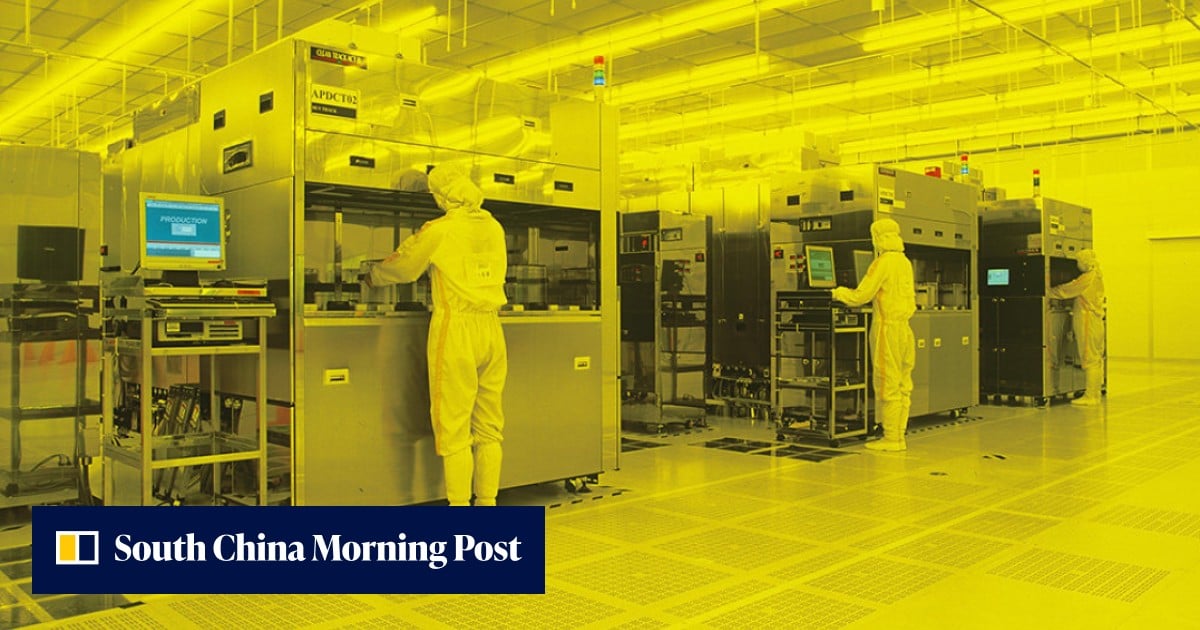
Hua Hong, a major Chinese foundry, is undertaking a significant capacity expansion with a US$2 billion investment in a new facility in Wuxi. This strategic move, supported by state-backed entities, aims to substantially increase its 12-inch wafer production to address the escalating domestic demand for AI infrastructure and navigate ongoing US technology restrictions.
Imagine a factory that makes special computer brains for smart robots and devices. China's second-biggest brain factory, called Hua Hong, is building a huge new part of its factory in a city named Wuxi. They're spending a lot of money, like two billion dollars, to make many more of these special brains. This is because everyone wants them for new smart computers that use AI, and it helps China make its own brains instead of always buying them from other countries.
Analysis
Hua Hong Grace Semiconductor
Hua Hong Grace Semiconductor, identified as China's second-largest contract chipmaker, is making a pivotal move to solidify its position within the global semiconductor landscape, particularly in the context of escalating AI demand. The company's strategic investment reflects a broader national imperative to enhance domestic chip production capabilities. By focusing on speciality lines, Hua Hong aims to cater to specific market needs that are increasingly driven by artificial intelligence applications, ranging from data centers to edge computing devices.
This expansion is not merely about increasing output; it's about strengthening China's technological sovereignty. The company's role as a key foundry means its capacity directly impacts the ability of numerous Chinese tech firms to innovate and compete without relying heavily on foreign suppliers, a critical consideration given the current geopolitical climate.
US$2 Billion Investment
The US$2 billion capital injection represents a significant commitment to expanding Hua Hong's manufacturing footprint. This funding is earmarked for the construction of a new 12-inch speciality line, which is considered a crucial step in modern chip production. The scale of this investment underscores the urgency and strategic importance China places on developing its indigenous semiconductor industry, especially as AI technologies become more pervasive and foundational to economic growth and national security.
Furthermore, the project's total funding, including state capital, is projected to reach US$4.2 billion, indicating a robust public-private partnership model. This substantial financial backing from entities like the Hua Xin Fund, a vehicle for China’s National Integrated Circuit Industry Investment Fund (the “Big Fund”), highlights the coordinated national effort to overcome technological bottlenecks and accelerate self-reliance in critical sectors. The state's involvement ensures that such large-scale projects align with broader national industrial policies.
Wuxi Expansion
The chosen location for this massive capacity expansion is Wuxi, an eastern Chinese city already recognized as a significant hub for chip production. This decision leverages existing infrastructure, talent pools, and supply chain networks within the region, facilitating a more efficient and rapid deployment of the new facility. The addition of 55,000 wafers to Hua Hong's monthly production capacity in Wuxi represents a substantial 30 percent increase to its total capacity in the city, signaling a major boost to its overall output capabilities.
This expansion in Wuxi is strategically positioned to directly address the skyrocketing domestic demand for AI infrastructure. By increasing local production, Hua Hong aims to mitigate the impact of US tech curbs, which have sought to limit China's access to advanced semiconductor technology. The new facility will enable Chinese companies to source more of their essential AI chips domestically, thereby reducing vulnerabilities to external supply chain disruptions and fostering a more resilient national tech ecosystem.
Key points
- Hua Hong Grace Semiconductor is investing US$2 billion in a new chip production facility in Wuxi.
- The project aims to meet surging domestic demand for AI infrastructure and bypass US tech curbs.
- The expansion will add 55,000 wafers to its monthly capacity in Wuxi, representing a 30% increase.
- The investment is a joint venture with state-backed entities, including China's National Integrated Circuit Industry Investment Fund.
- The total funding for the project, including state capital, will reach US$4.2 billion.
This significant investment could bolster China's domestic chip production capabilities, reducing its reliance on foreign technology and fostering greater self-sufficiency in critical AI infrastructure. It may also lead to increased innovation and competition within the Chinese semiconductor industry, potentially accelerating the development of advanced AI applications.
Despite the substantial investment, Hua Hong may still face challenges in catching up to leading global foundries, especially given ongoing US tech curbs that restrict access to advanced equipment and expertise. The rapid expansion could also lead to overcapacity or quality control issues if not managed effectively, potentially impacting profitability and market competitiveness.
Market signals
- 1347 The company's US$2 billion investment in a new fab is expected to significantly boost production capacity and meet surging AI-driven demand.
AI-generated analysis of potential market relevance. Not financial advice.


