China’s Palantir? Private tech firms surge into defence AI, aiming to match US giants
Chinese private tech firms are entering the country's defence AI sector, driven by Beijing's military-civil fusion strategy. Companies like Jingan Technology are developing AI-powered analysis systems, similar to Palantir Technologies' Gotham and Anduril Industries' Lattice.
Intelligence analysis by Llama
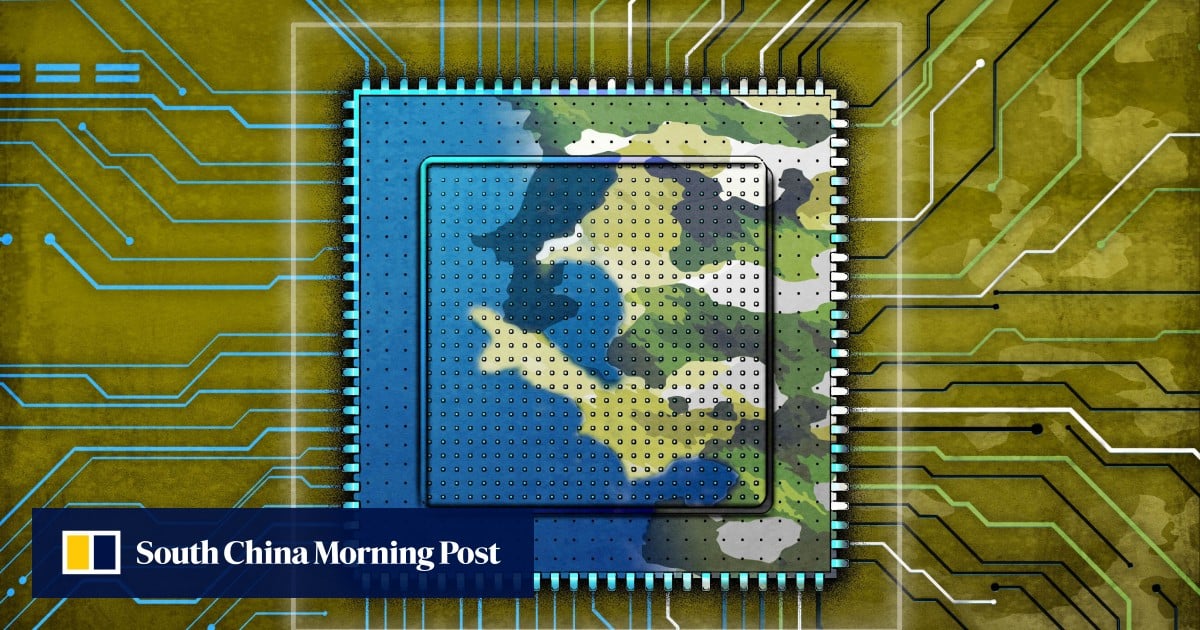
Chinese private tech firms are entering the defence AI sector, driven by Beijing's military-civil fusion strategy. Companies like Jingan Technology are developing AI-powered analysis systems.
Imagine a supercomputer that can analyze a huge amount of data from different sources, like a military operation. This is what Chinese private tech firms are developing, similar to Palantir Technologies' Gotham and Anduril Industries' Lattice. These systems are being used by China's military and public security system to make better decisions.
Analysis
A $60B Vote of Confidence
China's military-civil fusion strategy has led to a surge in private tech firms entering the defence AI sector. Companies like Jingan Technology are developing AI-powered analysis systems, similar to Palantir Technologies' Gotham and Anduril Industries' Lattice. These systems are being deployed within China's public security system and state security apparatus, as well as some branches of the military.
While industry observers and military enthusiasts have cautioned against Jingan's high-profile marketing claims, company materials and public disclosures suggest that its software has already been deployed within China's public security system and state security apparatus, as well as some branches of the military. Jingan's flagship product, the Jingqi Global Situational Awareness System, has been marketed as a Chinese counterpart to operating systems such as Gotham and Lattice.
The growing influence of private tech firms in China's defence AI sector has significant implications for the country's military modernization and its global security posture. As China continues to modernize its military, the role of private tech firms will become increasingly important in supporting the country's defence capabilities.
Why Cursor?
China's military-civil fusion strategy has led to a surge in private tech firms entering the defence AI sector. Companies like Jingan Technology are developing AI-powered analysis systems, similar to Palantir Technologies' Gotham and Anduril Industries' Lattice. These systems are being deployed within China's public security system and state security apparatus, as well as some branches of the military.
The growing influence of private tech firms in China's defence AI sector has significant implications for the country's military modernization and its global security posture. As China continues to modernize its military, the role of private tech firms will become increasingly important in supporting the country's defence capabilities.
The Road Ahead
China's military-civil fusion strategy has led to a surge in private tech firms entering the defence AI sector. Companies like Jingan Technology are developing AI-powered analysis systems, similar to Palantir Technologies' Gotham and Anduril Industries' Lattice. These systems are being deployed within China's public security system and state security apparatus, as well as some branches of the military.
The growing influence of private tech firms in China's defence AI sector has significant implications for the country's military modernization and its global security posture. As China continues to modernize its military, the role of private tech firms will become increasingly important in supporting the country's defence capabilities.
Key points
- Chinese private tech firms are entering the defence AI sector, driven by Beijing's military-civil fusion strategy.
- Companies like Jingan Technology are developing AI-powered analysis systems, similar to Palantir Technologies' Gotham and Anduril Industries' Lattice.
- These systems are being deployed within China's public security system and state security apparatus, as well as some branches of the military.
- The growing influence of private tech firms in China's defence AI sector has significant implications for the country's military modernization and its global security posture.
If China's private tech firms continue to develop and deploy AI-powered analysis systems, it could lead to significant advancements in the country's military modernization and global security posture. This could also lead to increased cooperation and collaboration between China and other countries in the defence AI sector.
The growing influence of private tech firms in China's defence AI sector also raises concerns about the potential for misuse of these systems. If not properly regulated, these systems could be used for malicious purposes, such as cyber attacks or surveillance.